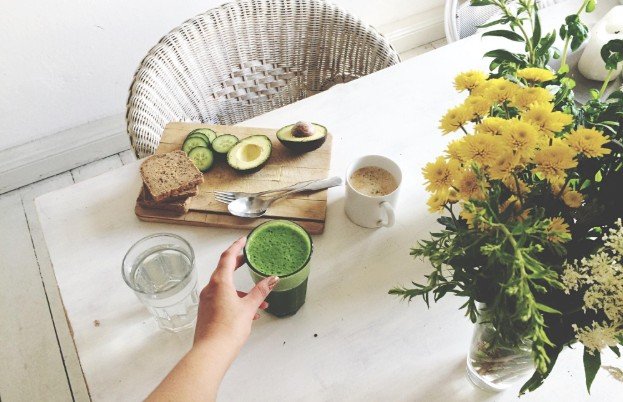
I used to think self-care required a free weekend, an expensive retreat, or a perfectly planned routine. In reality, the habits that improved my wellbeing were much simpler. Getting enough sleep, eating regularly, setting boundaries, moving my body, and creating quiet moments made the greatest difference.
The most useful self care essentials for a balanced lifestyle are not occasional treats. They are practical habits that support physical health, emotional stability, relationships, responsibilities, and personal fulfilment. Balance does not mean giving every part of life equal attention every day. It means noticing what needs care and making small adjustments before stress becomes overwhelming.
What Does a Balanced Lifestyle Really Mean?
A balanced lifestyle allows space for work, rest, relationships, health, responsibilities, and enjoyment. Some days may be busy, while others may be slower. The goal is not perfect consistency but a sustainable rhythm that protects your wellbeing.
You may need more rest during a demanding week, additional social connection when you feel isolated, or firmer boundaries when your schedule becomes crowded. Self-care becomes effective when it responds to your real needs rather than following a rigid checklist.
Why Self-Care Is More Than Pampering
Relaxing activities can be valuable, but self-care also includes completing medical appointments, preparing nourishing food, managing money, asking for help, and leaving unhealthy situations.
True self-care is sometimes enjoyable and sometimes uncomfortable. Going to bed instead of watching another episode may not feel exciting, but it supports your energy. Saying no may feel awkward, yet it protects your time. The most effective habits often provide lasting stability rather than temporary escape.
Essential Self-Care Habits for Everyday Balance
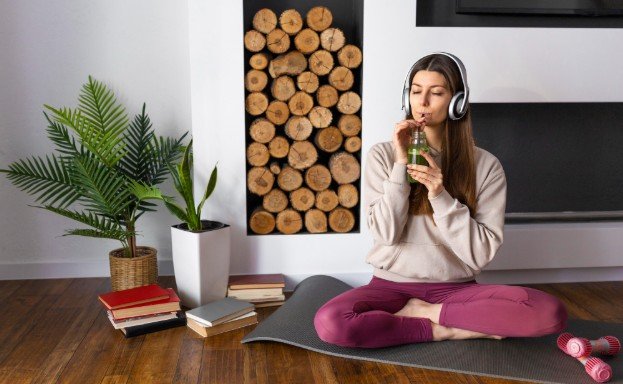
Protect Your Sleep
Consistent sleep supports concentration, mood, immune function, and physical recovery. Create a regular bedtime and waking time that works with your responsibilities.
Reduce bright screens before bed, keep the room comfortable, and develop a calming evening routine. Reading, stretching, showering, or preparing for the next day can signal that it is time to rest.
Eat and Hydrate Consistently
Self-care becomes difficult when hunger or dehydration drains your energy. Aim for regular meals containing protein, carbohydrates, healthy fats, fruits, or vegetables.
Keep convenient options available for demanding days. Yogurt, fruit, nuts, sandwiches, soups, and prepared grains can prevent skipped meals. Carrying a reusable water bottle can also make hydration easier.
Choose Sustainable Movement
Movement does not need to be intense to support your wellbeing. Walking, dancing, stretching, cycling, swimming, gardening, and strength exercises all count.
Choose activities that suit your ability and schedule. Ten minutes of movement performed regularly may be more useful than an exhausting routine you quickly abandon. Rest when your body needs recovery rather than treating fatigue as a personal failure.
Create Moments of Mental Quiet
Your mind needs breaks from constant information, decisions, and notifications. Spend a few minutes breathing slowly, meditating, sitting outside, journaling, or listening to calming music.
Mental quiet does not require completely stopping your thoughts. It simply gives you an opportunity to notice them without immediately reacting.
Acknowledge Your Emotions
Ignoring emotions does not make them disappear. Notice whether you feel anxious, frustrated, lonely, tired, or overwhelmed. Naming an emotion can help you understand what support you need.
You may benefit from writing about your feelings, speaking with someone you trust, or working with a qualified professional. Emotional self-care involves responding to feelings safely rather than judging yourself for having them.
Set Healthy Boundaries
Boundaries protect your time, energy, privacy, and relationships. They may involve declining extra responsibilities, limiting work outside scheduled hours, or explaining how you expect to be treated.
A boundary is not an attempt to control another person. It communicates what you will accept and what action you will take when a limit is crossed. Clear boundaries can reduce resentment and make relationships more honest.
Maintain Meaningful Connections
Healthy relationships provide encouragement, belonging, perspective, and practical support. Make time for people who respect your boundaries and allow you to be yourself.
Connection can be as simple as sending a message, sharing a meal, taking a walk together, or joining a community activity. Quality matters more than the number of people in your social circle.
Develop Healthier Digital Habits
Constant digital access can interfere with sleep, attention, and emotional wellbeing. Turn off unnecessary notifications, avoid using your phone during meals, and create screen-free periods.
Review the accounts you follow and remove content that repeatedly causes distress or unhealthy comparison. Technology should support your life rather than consume every quiet moment.
Care for Your Environment
Your surroundings can affect stress and concentration. You do not need a perfectly organised home, but small improvements can create greater comfort.
Clear one surface, open a window, wash your bedding, organise essential items, or prepare a comfortable place to rest. Focus on creating a functional environment instead of chasing unrealistic perfection.
Make Space for Joy and Meaning
A balanced life should include more than productivity and responsibilities. Protect time for activities that feel enjoyable, creative, peaceful, or meaningful, as these self care habits to improve confidence can help you recharge while strengthening your sense of self-worth.
Read, cook, make music, spend time outdoors, practise a hobby, volunteer, or explore something new. Joy is not a reward you must earn after completing everything else.
How to Build a Realistic Self-Care Routine

Start With Your Most Neglected Need
Consider your sleep, nutrition, movement, stress, relationships, digital habits, environment, and personal time. Identify the area causing the greatest difficulty.
Choose one small habit that directly supports that need. Improving one important area is usually more effective than changing your entire routine at once.
Use Different Levels of Self-Care
On low-energy days, choose a two-minute action such as drinking water, stretching, breathing slowly, or messaging a friend.
When you have ten minutes, take a short walk, prepare a snack, tidy one area, or write in a journal. Use longer weekly periods for meal preparation, hobbies, social connection, planning, or deeper rest.
Connect Habits to Existing Routines
Attach a new habit to something you already do. Stretch after brushing your teeth, drink water with breakfast, or prepare for sleep after setting your morning alarm.
This approach reduces dependence on motivation because the existing routine becomes a natural reminder.
Common Self-Care Mistakes
Trying to change everything at once can turn self-care into another source of pressure. Copying someone else’s routine may also fail because their needs, resources, and responsibilities differ from yours.
Be cautious when self-care becomes expensive, highly complicated, or dependent on buying products. Also notice when relaxing activities are being used to avoid conversations, decisions, or professional support that could address the underlying problem.
Frequently Asked Questions
1. What are the main self care essentials for a balanced lifestyle?
The main essentials include sleep, nourishing food, hydration, regular movement, emotional awareness, supportive relationships, healthy boundaries, digital breaks, rest, and enjoyable activities.
2. How can I practise self-care when I am busy?
Choose brief actions that fit naturally into your day, such as taking a short walk, preparing a simple meal, silencing notifications, or going to bed slightly earlier.
3. Does self-care need to cost money?
No. Many effective practices are free, including resting, stretching, breathing exercises, spending time outdoors, journaling, setting boundaries, and connecting with supportive people.
4. When is self-care not enough?
Self-care should support professional treatment rather than replace it. Seek qualified help when emotional distress, physical symptoms, harmful relationships, or daily difficulties persist or become difficult to manage.
A More Balanced Way Forward
I have learned that balance is not something I achieve once and permanently maintain. It changes as my health, work, relationships, and responsibilities change. What supports me during one season may need to be adjusted during another.
Instead of creating a perfect routine, I focus on recognising what feels neglected and choosing one realistic response. Small actions may appear insignificant, but consistent sleep, nourishment, movement, boundaries, connection, and rest can gradually create a healthier and more manageable life.
Leave a Reply