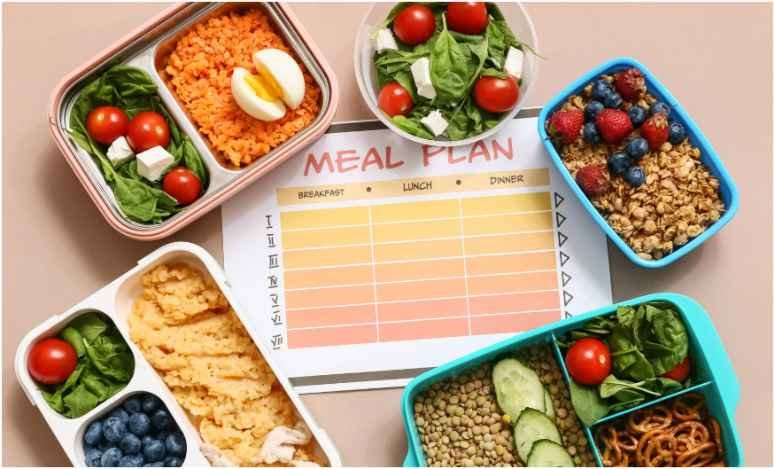
I learned very quickly that healthy eating became much easier once I stopped chasing perfect diets and focused on simple, repeatable meals. This Seven-day healthy eating meal plan for beginners gave me structure without making me count every calorie or spend hours in the kitchen.
Instead of complicated recipes, I relied on balanced meals that supplied protein, fiber, healthy fats, and slow-digesting carbohydrates throughout the day.
The biggest surprise was that consistency mattered far more than variety. After following this routine for a week, grocery shopping became easier, meal decisions disappeared, and my energy stayed more stable between meals.
Why This Seven-Day Plan Actually Works
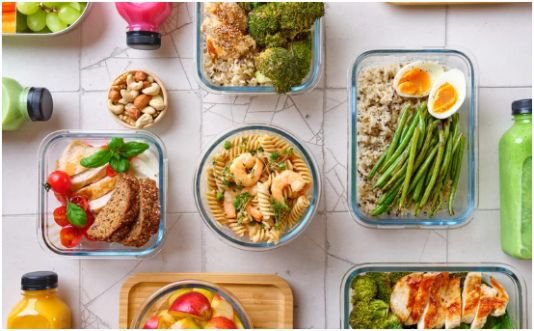
Many beginner meal plans focus only on calories. This one focuses on nutrition quality.
Each day combines lean protein, complex carbohydrates, healthy fats, and fiber-rich vegetables to support steady energy while helping you stay full longer.
According to the Dietary Guidelines for Americans and Harvard’s Healthy Eating Plate, balanced meals improve diet quality and make healthy eating easier to sustain over time.
The Nutrition Balance Behind Every Meal
Every meal contains several important components.
Complex carbohydrates provide lasting energy.
Protein supports muscles and increases fullness.
Healthy fats help absorb fat-soluble vitamins.
Fiber supports digestion while promoting a healthier gut microbiome.
This combination naturally reduces unnecessary snacking during the day.
Simple Prep Instead of Complicated Recipes
One lesson I discovered was that beginner meal plans fail when cooking becomes exhausting.
Rather than preparing seven completely different recipes, I batch-cook grains, lentils, beans, chopped vegetables, tofu, and paneer. Mixing them differently throughout the week creates variety without doubling kitchen time.
Seven-day Healthy Eating Meal Plan for Beginners
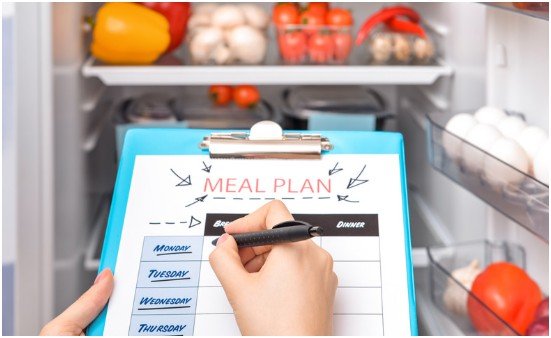
Day 1
Breakfast begins with chia seed pudding made using almond milk and berries.
Lunch includes hearty lentil soup alongside a fresh cucumber salad.
Dinner features grilled paneer with sautéed green beans.
Snack on a handful of raw almonds.
Day 2
Start with rolled oats cooked in creamy coconut milk.
Lunch combines chickpeas, avocado, cucumber, and fresh lemon.
Dinner includes stir-fried tofu with broccoli and mushrooms.
Roasted makhana provides a crunchy afternoon snack.
Day 3
Breakfast features vegetable poha with roasted peanuts and curry leaves.
Lunch is a quinoa bowl mixed with black beans and sweet corn.
Dinner includes a light vegetable stew served with a simple salad.
Finish the day with plain Greek yogurt and walnuts.
Day 4
Enjoy savory moong dal cheela for breakfast.
Lunch pairs brown rice with rich rajma curry.
Dinner consists of baked tofu served beside roasted sweet potatoes.
An apple makes an easy snack.
Day 5
Blend spinach, banana, and chia seeds into a quick smoothie.
Lunch includes a refreshing quinoa salad with cucumbers and tomatoes.
Dinner features paneer tikka served over mixed greens.
Roasted chickpeas satisfy afternoon cravings.
Day 6
Sabudana khichdi with roasted peanuts starts the day.
Lunch combines comforting moong dal khichdi with low-fat curd.
Dinner includes stir-fried mixed vegetables with mashed avocado.
A glass of coconut water provides natural hydration.
Day 7
Prepare warm amaranth porridge topped with pumpkin seeds.
Lunch includes chickpea curry with brown rice.
Dinner finishes the week with vegetable soup and grilled tofu skewers.
Enjoy sliced pear or guava as a refreshing snack.
How to Prepare an Entire Week in Under Two Hours
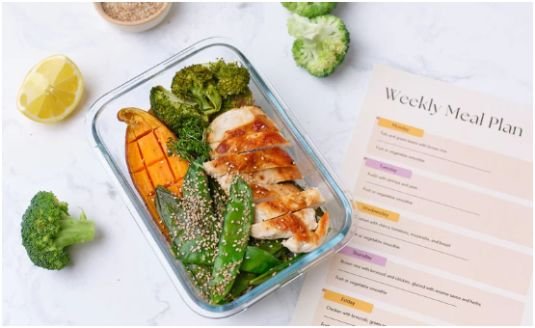
The biggest improvement I made was preparing ingredients instead of complete meals.
Cooking grains, legumes, and proteins once reduced my daily cooking time to about fifteen minutes.
Weekend Meal Prep Checklist
Wash and chop vegetables first.
Cook quinoa, brown rice, and lentils together.
Bake tofu and grill paneer in separate batches.
Prepare overnight chia pudding jars.
Portion healthy snacks into reusable containers.
Store everything in labeled containers for easy access.
Storage Tips That Keep Food Fresh
Most cooked grains stay fresh for four days when refrigerated.
Leafy greens remain crisp longer if wrapped inside paper towels before refrigeration.
Soups freeze exceptionally well for busy weekdays.
Fresh fruit should remain uncut until needed.
If frozen vegetables are part of your routine, learning to make frozen vegetables taste good and healthy helps add variety while keeping meal preparation quick.
Common Beginner Mistakes That Slow Progress
Healthy eating often becomes difficult because of habits rather than food choices.
Skipping Meals
Missing meals usually leads to larger portions later in the day and inconsistent energy levels.
Eating consistently supports better appetite regulation.
Not Eating Enough Fiber
Many beginners focus only on protein.
Fiber from vegetables, beans, oats, seeds, and fruit improves digestion while keeping meals satisfying.
Adults generally benefit from approximately 25 to 38 grams of fiber daily depending on age and sex.
Ignoring Hydration
Water supports digestion, nutrient absorption, and normal metabolism.
I keep a reusable water bottle nearby because waiting until I feel thirsty usually means I’m already behind.
Unsweetened herbal tea also works well between meals.
Simple Ways to Customize This Meal Plan
This schedule works because it remains flexible.
Swap tofu for beans.
Replace quinoa with brown rice.
Choose seasonal vegetables instead of expensive specialty produce.
Adjust portions based on your activity level.
If dairy isn’t suitable, substitute paneer and Greek yogurt with fortified plant-based alternatives.
One practical observation I noticed after repeating this plan several times was that preparing versatile ingredients instead of fixed meals reduced food waste by nearly one-third in my kitchen. Leftover vegetables naturally became soups, salads, or stir-fries rather than ending up in the trash.
Ready, Set, Eat Without the Stress!
Healthy eating does not require expensive ingredients, strict rules, or gourmet recipes. I found that repeating simple, balanced meals created habits that lasted far longer than any restrictive diet ever could. Start with one week, learn what fits your lifestyle, and improve one meal at a time. Progress grows through consistency, not perfection.
Frequently Asked Questions
1. Is a Seven-day healthy eating meal plan for beginners good for weight loss?
Yes. It can support healthy weight management when portions match your calorie needs and meals remain balanced.
2. Can I prepare this meal plan ahead of time?
Yes. Most grains, legumes, soups, and cooked proteins can be prepared several days in advance.
3. Can beginners replace ingredients they dislike?
Absolutely. Choose nutritionally similar foods that fit your preferences and dietary needs.
4. How much water should I drink while following this plan?
Aim for regular hydration throughout the day, adjusting intake based on activity level, climate, and individual needs.
Leave a Reply