Blog

  • How Modern Lifestyles Quietly Damage Sleep Quality Without You Noticing

    How Modern Lifestyles Quietly Damage Sleep Quality Without You Noticing

    I started paying closer attention to my sleep after realizing that getting seven or eight hours in bed didn’t always mean waking up refreshed. Some mornings I felt just as tired as if I had barely slept, even though I thought I was doing everything right.

    The more I observed my daily habits, the more I noticed that the biggest problems weren’t obvious. They were small routines that had slowly become normal, like checking my phone before bed, drinking coffee later than I realized, or sleeping in on weekends. None of them seemed harmful on their own, but together they quietly affected how well I slept.

    Sleep Quality Isn’t Just About Hours

    Many people focus on how long they sleep, but sleep quality often matters just as much. Deep sleep and REM sleep are the stages where the body repairs muscles, processes memories, supports metabolic health, and prepares the brain for the next day.

    When everyday habits interrupt those stages, you may still log enough hours in bed while waking up feeling sluggish, unfocused, or dependent on caffeine. Modern lifestyles are full of subtle distractions that interfere with your body’s natural sleep cycle without making it obvious.

    Blue Light Keeps Your Brain Awake

    Smartphones, tablets, laptops, televisions, and even bright LED lighting have become part of nearly every evening. While they’re convenient, they also expose your eyes to blue light when your brain should be preparing for sleep.

    Blue light suppresses melatonin, the hormone responsible for signaling that it’s time to rest. Instead of winding down naturally, your brain continues acting as though it’s still daytime.

    This doesn’t always mean you’ll struggle to fall asleep immediately. Instead, your sleep cycle may shift later, reducing the amount of restorative sleep your body gets throughout the night.

    Replacing late-night scrolling with reading a book, gentle stretching, or simply dimming the lights can help your body transition into sleep more naturally.

    That Afternoon Coffee May Still Be Working

    That Afternoon Coffee May Still Be Working

    Many people avoid coffee after dinner but don’t think twice about grabbing another cup late in the afternoon.

    Caffeine has a surprisingly long half-life, often remaining in your system for five to seven hours. Even eight hours later, enough caffeine may still be circulating to interfere with the brain chemicals that help you fall asleep.

    Energy drinks, certain teas, sodas, and chocolate can contribute as well. If you regularly struggle to fall asleep despite feeling tired, moving your last caffeinated drink earlier in the day is one of the simplest changes worth trying.

    A Warm Bedroom Can Quietly Reduce Deep Sleep

    Comfort doesn’t always mean warmth.

    Your body naturally lowers its core temperature before sleep. If your bedroom is overly warm because of central heating, poor airflow, or heavy synthetic bedding, your body has to work harder to cool itself.

    That extra effort may keep your heart rate elevated and reduce the amount of deep sleep you experience.

    A cooler bedroom, breathable bedding, and fresh airflow often make a noticeable difference without requiring expensive sleep products. Even small environmental adjustments can improve how rested you feel the next morning.

    Alcohol Doesn’t Improve Sleep the Way It Seems To

    A glass of wine or another alcoholic drink may make you feel sleepy faster, which is why many people believe it helps them sleep better.

    The reality is different.

    Alcohol tends to fragment the second half of the night by disrupting REM sleep, one of the most important stages for memory, emotional regulation, and mental recovery. Heavy meals close to bedtime can have a similar effect by forcing your digestive system to remain active while your body is trying to rest.

    Finishing dinner a few hours before bed and limiting alcohol near bedtime often leads to more refreshing sleep over time.

    Weekend Sleep-Ins Can Reset Your Progress
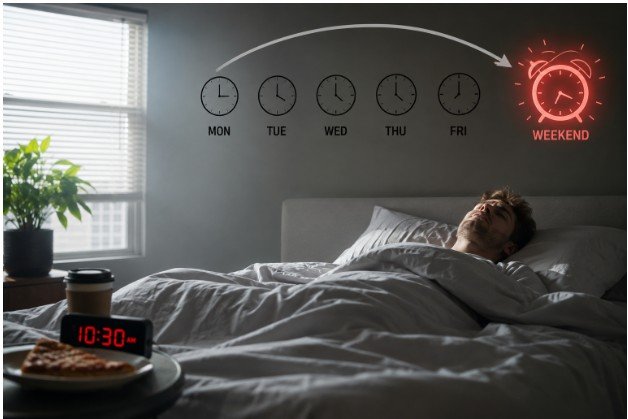
    Weekend Sleep-Ins Can Reset Your Progress

    Sleeping late on weekends feels like catching up after a busy week, but it often creates what’s known as social jet lag.

    When your bedtime and wake-up time shift by several hours every weekend, your circadian rhythm has to readjust every Monday. That constant reset makes it harder to fall asleep at your usual bedtime and can leave you feeling tired for the first few days of the week.

    Maintaining a similar schedule throughout the week doesn’t mean giving up flexibility. Even keeping your wake-up time within an hour of your weekday routine helps your biological clock stay more consistent.

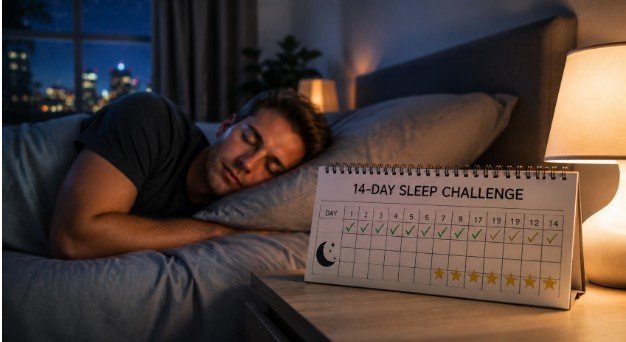
    If you’re already working on a sleep consistency challenge, limiting large weekend schedule changes is one of the most effective ways to build lasting progress.

    Small Changes Create Better Nights

    Improving sleep quality rarely comes from one dramatic fix. Instead, it usually comes from stacking simple habits that support your body’s natural rhythm.

    Consider starting with these practical adjustments:

    • Put screens away 30 to 60 minutes before bedtime.
    • Keep your bedroom cool, dark, and quiet.
    • Finish caffeine by early afternoon.
    • Avoid heavy meals and alcohol close to bedtime.
    • Wake up at roughly the same time every day.

    None of these habits are difficult on their own. Together, they create an environment where your brain and body know exactly when it’s time to sleep.

    FAQs: How Modern Lifestyles Quietly Damage Sleep Quality Without You Noticing

    Can I sleep eight hours and still have poor sleep quality?

    Yes. Frequent interruptions, reduced deep sleep, or limited REM sleep can leave you feeling tired even after spending enough time in bed.

    Does blue light really make that much difference?

    For many people, yes. Evening blue light delays melatonin production, making it harder for your body to prepare for sleep naturally.

    Is sleeping late on weekends unhealthy?

    Occasionally isn’t a problem, but regularly shifting your sleep schedule by several hours can disrupt your circadian rhythm and create social jet lag.

    What’s the easiest habit to improve sleep quality?

    Keeping a consistent wake-up time is one of the most effective starting points because it helps regulate your body’s internal clock and supports healthier sleep patterns.

    Why Your Everyday Habits Matter More Than You Think

    Sleep quality is shaped long before your head touches the pillow. The choices you make throughout the day, from when you drink coffee to how often you check your phone at night, gradually teach your body what to expect. Small adjustments may not feel dramatic at first, but over time they create a healthier rhythm that supports deeper sleep, steadier energy, and better recovery.

    The best sleep routine isn’t built through perfection. It’s built through consistent habits that quietly work in your favor every single day.


  • Sleep Consistency Challenge: The Simple Routine Your Body Will Thank You For

    Sleep Consistency Challenge: The Simple Routine Your Body Will Thank You For

    I used to think sleeping longer was the answer whenever I felt drained. Then I started noticing that even after getting eight hours, I still woke up feeling sluggish if my bedtime changed every night. It wasn’t the amount of sleep that kept throwing me off. It was the lack of consistency.

    I also found that trying to create the perfect nighttime routine usually lasted a few days before life got in the way. Once I shifted my attention to showing up at roughly the same time every day instead of chasing perfection, better sleep started feeling much more achievable.

    What Is a Sleep Consistency Challenge?

    What Is a Sleep Consistency Challenge

    A sleep consistency challenge is a simple commitment to go to bed and wake up at nearly the same time every day, including weekends. Rather than focusing only on the number of hours you sleep, the goal is to help your body’s internal clock know exactly when it’s time to rest and when it’s time to be alert.

    Many people underestimate how much their schedule changes throughout the week. Staying up late on Friday, sleeping in on Saturday, and then trying to wake up early on Monday creates a cycle that feels similar to changing time zones every weekend. This pattern, often called social jet lag, can leave you feeling tired even if you technically spent enough time in bed.

    The challenge works because it replaces dramatic lifestyle changes with small, repeatable habits that gradually become automatic.

    Why Sleeping at the Same Time Makes Such a Difference

    Your body depends on cues like sunlight, darkness, temperature, and routine to regulate your circadian rhythm. When those signals stay consistent, your brain begins preparing for sleep before your head even reaches the pillow.

    A regular sleep schedule supports natural melatonin production, making it easier to fall asleep without relying on endless scrolling or extra caffeine the next morning. Over time, many people also notice fewer energy crashes, better concentration, and a smoother morning routine.

    Consistency also improves how your body moves through deep sleep and REM sleep. These stages play an important role in memory, learning, physical recovery, and emotional regulation. Missing them repeatedly can leave you feeling mentally exhausted even after what looked like a full night’s sleep.

    Your 14-Day Sleep Consistency Challenge

    Your 14-Day Sleep Consistency Challenge

    The best challenges don’t require perfection. They simply ask you to repeat a few meaningful habits every day.

    Days 1 to 5: Create Your Sleep Anchor

    Choose one wake-up time and stick with it every day. Even on weekends, avoid sleeping in more than 30 to 60 minutes.

    As soon as you wake up, spend about 20 minutes outside or near natural sunlight. Morning light tells your brain that the day has started and begins the countdown toward nighttime sleep.

    If your current bedtime is much later than your goal, don’t change it all at once. Move it earlier by only 15 to 30 minutes during the week so your body has time to adjust naturally.

    Days 6 to 10: Build a Wind-Down Routine

    About an hour before bed, reduce activities that keep your brain stimulated.

    Turn off bright screens, dim overhead lights, and choose one calming activity you genuinely enjoy. Reading a printed book, stretching, listening to relaxing music, or practicing slow breathing all help create a predictable signal that bedtime is approaching.

    Repeating the same sequence every evening is often more effective than constantly searching for new sleep hacks.

    Days 11 to 14: Support Your Routine During the Day

    Good sleep begins long before bedtime.

    Keep caffeine to the first half of the day, ideally finishing coffee or energy drinks by around 2:00 PM. Try to eat heavier meals a few hours before bed instead of right before sleeping.

    Physical activity also helps regulate your body clock. Even a short walk during the afternoon can make it easier to fall asleep later that night.

    By the end of the second week, many people begin noticing that their bedtime feels more natural instead of forced.

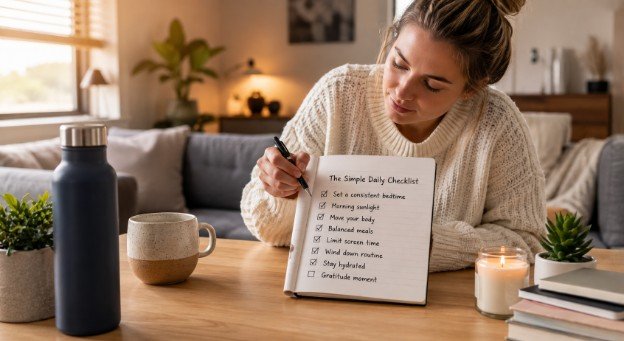
    The Simple Daily Checklist

    The Simple Daily Checklist

    Following the same routine each day removes guesswork and helps your body recognize familiar patterns.

    • Morning: Get around 20 minutes of natural sunlight soon after waking.
    • Afternoon: Avoid caffeine after 2:00 PM, so stimulants have time to leave your system.
    • One hour before bed: Turn off bright screens and reduce blue light exposure.
    • Thirty minutes before bed: Dim the lights and spend time reading, stretching, or relaxing instead of working.

    These habits may seem small on their own, but together they create powerful signals that reinforce a healthy sleep schedule.

    Mistakes That Can Break Your Momentum

    One late night doesn’t ruin your progress, but several inconsistent nights in a row can make it harder for your body to maintain a rhythm.

    Common setbacks include staying up much later on weekends, drinking caffeine late in the afternoon, using your phone in bed, or trying to “catch up” by sleeping until noon.

    Instead of giving up after one bad night, return to your normal wake-up time the next morning. That simple decision helps your internal clock recover much faster than sleeping in for several extra hours.

    Many people also discover that improving sleep naturally complements practical ways to recover from mental fatigue, since quality rest gives the brain time to recover instead of constantly operating under stress.

    Signs the Challenge Is Working

    Signs the Challenge Is Working

    Success isn’t measured only by the number of hours you sleep.

    You may begin falling asleep faster, waking up before your alarm, or feeling more alert during the morning. Afternoon energy often becomes steadier, and relying on multiple cups of coffee may become less necessary.

    Another positive sign is consistency itself. When bedtime starts feeling natural rather than something you have to force, your body has begun adapting to the routine you’ve created.

    FAQs: Sleep Consistency Challenge: The Simple Routine Your Body Will Thank You For

    How long does a sleep consistency challenge take to show results?

    Many people notice small improvements within one to two weeks, while stronger long-term benefits develop with continued consistency.

    Can I sleep in on weekends?

    It’s best to keep your wake-up time close to your weekday schedule. Sleeping in more than an hour can disrupt your body’s internal clock.

    What if I can’t fall asleep at my planned bedtime?

    Don’t force it. Continue following your wind-down routine and maintain your regular wake-up time so your body gradually adjusts.

    Is sleep consistency more important than sleeping longer?

    Both matter, but maintaining a regular schedule helps your body use sleep more efficiently and supports better long-term health.

    Why Your Best Nights Start Long Before Bed

    A better night’s sleep rarely begins the moment you turn off the lights. It starts with the choices you make throughout the day, from getting outside in the morning to limiting caffeine in the afternoon and giving yourself time to unwind at night. The sleep consistency challenge works because it replaces unrealistic expectations with habits that are easy to repeat and easier to maintain.

    When your schedule becomes predictable, your body spends less time trying to catch up and more time giving you the deep, refreshing sleep you’ve been looking for.

  • Seven-day Healthy Eating Meal Plan for Beginners

    Seven-day Healthy Eating Meal Plan for Beginners

    I learned very quickly that healthy eating became much easier once I stopped chasing perfect diets and focused on simple, repeatable meals. This Seven-day healthy eating meal plan for beginners gave me structure without making me count every calorie or spend hours in the kitchen. 

    Instead of complicated recipes, I relied on balanced meals that supplied protein, fiber, healthy fats, and slow-digesting carbohydrates throughout the day.

    The biggest surprise was that consistency mattered far more than variety. After following this routine for a week, grocery shopping became easier, meal decisions disappeared, and my energy stayed more stable between meals.

    Why This Seven-Day Plan Actually Works

    Why This Seven-Day Plan Actually Works

    Many beginner meal plans focus only on calories. This one focuses on nutrition quality.

    Each day combines lean protein, complex carbohydrates, healthy fats, and fiber-rich vegetables to support steady energy while helping you stay full longer. 

    According to the Dietary Guidelines for Americans and Harvard’s Healthy Eating Plate, balanced meals improve diet quality and make healthy eating easier to sustain over time.

    The Nutrition Balance Behind Every Meal

    Every meal contains several important components.

    Complex carbohydrates provide lasting energy.

    Protein supports muscles and increases fullness.

    Healthy fats help absorb fat-soluble vitamins.

    Fiber supports digestion while promoting a healthier gut microbiome.

    This combination naturally reduces unnecessary snacking during the day.

    Simple Prep Instead of Complicated Recipes

    One lesson I discovered was that beginner meal plans fail when cooking becomes exhausting.

    Rather than preparing seven completely different recipes, I batch-cook grains, lentils, beans, chopped vegetables, tofu, and paneer. Mixing them differently throughout the week creates variety without doubling kitchen time.

    Seven-day Healthy Eating Meal Plan for Beginners

    Seven-day Healthy Eating Meal Plan for Beginners

    Day 1

    Breakfast begins with chia seed pudding made using almond milk and berries.

    Lunch includes hearty lentil soup alongside a fresh cucumber salad.

    Dinner features grilled paneer with sautéed green beans.

    Snack on a handful of raw almonds.

    Day 2

    Start with rolled oats cooked in creamy coconut milk.

    Lunch combines chickpeas, avocado, cucumber, and fresh lemon.

    Dinner includes stir-fried tofu with broccoli and mushrooms.

    Roasted makhana provides a crunchy afternoon snack.

    Day 3

    Breakfast features vegetable poha with roasted peanuts and curry leaves.

    Lunch is a quinoa bowl mixed with black beans and sweet corn.

    Dinner includes a light vegetable stew served with a simple salad.

    Finish the day with plain Greek yogurt and walnuts.

    Day 4

    Enjoy savory moong dal cheela for breakfast.

    Lunch pairs brown rice with rich rajma curry.

    Dinner consists of baked tofu served beside roasted sweet potatoes.

    An apple makes an easy snack.

    Day 5

    Blend spinach, banana, and chia seeds into a quick smoothie.

    Lunch includes a refreshing quinoa salad with cucumbers and tomatoes.

    Dinner features paneer tikka served over mixed greens.

    Roasted chickpeas satisfy afternoon cravings.

    Day 6

    Sabudana khichdi with roasted peanuts starts the day.

    Lunch combines comforting moong dal khichdi with low-fat curd.

    Dinner includes stir-fried mixed vegetables with mashed avocado.

    A glass of coconut water provides natural hydration.

    Day 7

    Prepare warm amaranth porridge topped with pumpkin seeds.

    Lunch includes chickpea curry with brown rice.

    Dinner finishes the week with vegetable soup and grilled tofu skewers.

    Enjoy sliced pear or guava as a refreshing snack.

    How to Prepare an Entire Week in Under Two Hours

    How to Prepare an Entire Week in Under Two Hours

    The biggest improvement I made was preparing ingredients instead of complete meals.

    Cooking grains, legumes, and proteins once reduced my daily cooking time to about fifteen minutes.

    Weekend Meal Prep Checklist

    Wash and chop vegetables first.

    Cook quinoa, brown rice, and lentils together.

    Bake tofu and grill paneer in separate batches.

    Prepare overnight chia pudding jars.

    Portion healthy snacks into reusable containers.

    Store everything in labeled containers for easy access.

    Storage Tips That Keep Food Fresh

    Most cooked grains stay fresh for four days when refrigerated.

    Leafy greens remain crisp longer if wrapped inside paper towels before refrigeration.

    Soups freeze exceptionally well for busy weekdays.

    Fresh fruit should remain uncut until needed.

    If frozen vegetables are part of your routine, learning to make frozen vegetables taste good and healthy helps add variety while keeping meal preparation quick.

    Common Beginner Mistakes That Slow Progress

    Healthy eating often becomes difficult because of habits rather than food choices.

    Skipping Meals

    Missing meals usually leads to larger portions later in the day and inconsistent energy levels.

    Eating consistently supports better appetite regulation.

    Not Eating Enough Fiber

    Many beginners focus only on protein.

    Fiber from vegetables, beans, oats, seeds, and fruit improves digestion while keeping meals satisfying.

    Adults generally benefit from approximately 25 to 38 grams of fiber daily depending on age and sex.

    Ignoring Hydration

    Water supports digestion, nutrient absorption, and normal metabolism.

    I keep a reusable water bottle nearby because waiting until I feel thirsty usually means I’m already behind.

    Unsweetened herbal tea also works well between meals.

    Simple Ways to Customize This Meal Plan

    This schedule works because it remains flexible.

    Swap tofu for beans.

    Replace quinoa with brown rice.

    Choose seasonal vegetables instead of expensive specialty produce.

    Adjust portions based on your activity level.

    If dairy isn’t suitable, substitute paneer and Greek yogurt with fortified plant-based alternatives.

    One practical observation I noticed after repeating this plan several times was that preparing versatile ingredients instead of fixed meals reduced food waste by nearly one-third in my kitchen. Leftover vegetables naturally became soups, salads, or stir-fries rather than ending up in the trash.

    Ready, Set, Eat Without the Stress!

    Healthy eating does not require expensive ingredients, strict rules, or gourmet recipes. I found that repeating simple, balanced meals created habits that lasted far longer than any restrictive diet ever could. Start with one week, learn what fits your lifestyle, and improve one meal at a time. Progress grows through consistency, not perfection.

    Frequently Asked Questions

    1. Is a Seven-day healthy eating meal plan for beginners good for weight loss?

    Yes. It can support healthy weight management when portions match your calorie needs and meals remain balanced.

    2. Can I prepare this meal plan ahead of time?

    Yes. Most grains, legumes, soups, and cooked proteins can be prepared several days in advance.

    3. Can beginners replace ingredients they dislike?

    Absolutely. Choose nutritionally similar foods that fit your preferences and dietary needs.

    4. How much water should I drink while following this plan?

    Aim for regular hydration throughout the day, adjusting intake based on activity level, climate, and individual needs.

  • Practical Ways to Recover From Mental Fatigue and Regain Your Focus

    Practical Ways to Recover From Mental Fatigue and Regain Your Focus

    I started noticing mental fatigue long before I realized what it actually was. It wasn’t the kind of exhaustion that made me want to sleep. Instead, it felt like my brain had slowed down. Simple decisions took longer, concentrating became harder, and even tasks I normally enjoyed started feeling like work.

    What surprised me most was that taking a few minutes to scroll on my phone never made me feel refreshed. If anything, it added to the mental clutter. Once I replaced those habits with small, intentional changes throughout the day, I found it much easier to regain focus without feeling like I needed an entire weekend to recover.

    What Mental Fatigue Really Feels Like

    What Mental Fatigue Really Feels Like

    Mental fatigue develops when your brain spends long periods processing information without enough recovery time. It often shows up as brain fog, poor concentration, forgetfulness, low motivation, or feeling mentally drained despite getting through the day.

    Unlike physical tiredness, mental fatigue doesn’t always improve by simply sitting still. Constant notifications, switching between tasks, long meetings, and hours of screen time continue adding to your cognitive load until your attention starts breaking down.

    Many people mistake this feeling for laziness, but it’s often a sign that the brain needs meaningful recovery instead of more stimulation.

    Why Pushing Through Usually Makes Things Worse

    When deadlines pile up, it’s tempting to keep working until everything is finished. Unfortunately, that’s often when productivity starts dropping.

    The brain has limits. As mental energy decreases, mistakes become more common, decision-making slows, and creative thinking becomes harder. Continuing to push through usually means spending more time fixing errors than making progress.

    Recovery isn’t wasted time. It’s part of maintaining consistent performance.

    Think about the days when every email feels harder to answer, or every small choice suddenly feels exhausting. That’s often decision fatigue taking over. Giving your brain opportunities to reset throughout the day prevents that exhaustion from building into something much bigger.

    Practical Ways to Recover Throughout the Day

    Practical Ways to Recover Throughout the Day

    The best recovery habits don’t require changing your entire schedule. Small adjustments repeated consistently often make the biggest difference.

    Give Your Brain Genuine Breaks

    Many breaks aren’t actually breaks.

    Checking social media, answering personal messages, or watching short videos still requires your brain to process new information. Instead, spend a few minutes away from digital devices altogether.

    Walk outside, stretch, look out a window, or simply sit quietly without reaching for your phone. Even ten minutes of true cognitive rest can reduce mental overload and improve concentration when you return to work.

    Move Instead of Sitting Longer

    Physical movement increases blood flow throughout the body, including the brain.

    You don’t need an intense workout to feel the benefits. A fifteen-minute walk, gentle stretching, or climbing a few flights of stairs can help refresh your attention and reduce the sluggish feeling that often develops after hours at a desk.

    Movement also provides a natural mental reset by shifting your attention away from whatever has been demanding your focus.

    Reduce Cognitive Overload Before It Builds Up

    Reduce Cognitive Overload Before It Builds Up

    Mental fatigue often comes from doing too many things at once.

    Multitasking may feel productive, but constantly switching between tasks forces your brain to repeatedly adjust its focus. Over time, this increases cognitive strain and leaves you feeling mentally exhausted.

    Instead, choose one priority, finish it, and then move to the next task. Single-tasking reduces distractions while helping you complete work more efficiently.

    Digital boundaries matter just as much.

    Turning off unnecessary notifications, closing unused browser tabs, and limiting social media during work hours all reduce interruptions that quietly drain mental energy throughout the day.

    Sleep Is Still the Foundation of Recovery

    No recovery strategy works well if quality sleep is missing.

    During sleep, the brain processes information, strengthens memories, and clears metabolic waste that builds up during waking hours. Regularly getting seven to nine hours of quality sleep supports attention, learning, emotional regulation, and overall cognitive performance.

    If your sleep schedule constantly changes, improving it can make an even bigger difference than adding another productivity technique. Learning how to build a sleep routine that actually works creates a stronger foundation for recovering from mental fatigue because your brain has consistent opportunities to restore itself each night.

    Small improvements often produce better long-term results than trying to redesign your bedtime routine overnight completely.

    Daily Habits That Keep Mental Fatigue From Returning

    Daily Habits That Keep Mental Fatigue From Returning

    Recovery doesn’t only happen after you’re exhausted. The healthiest routines include small habits that prevent cognitive overload before it becomes overwhelming.

    Some practical habits include:

    • Step away from screens during breaks instead of switching to different apps.
    • Stay hydrated throughout the day.
    • Eat balanced meals that support steady energy levels.
    • Schedule demanding work during the hours when you naturally feel most alert.
    • Build short movement breaks into long periods of focused work.
    • Permit yourself to pause before your attention completely disappears.

    These habits don’t eliminate stressful days, but they make recovery much easier when life becomes busy.

    Signs Your Brain Is Recovering

    Mental recovery isn’t always dramatic.

    You may notice that concentrating becomes easier, conversations require less effort, or you’re able to solve problems without feeling overwhelmed. Many people also experience fewer afternoon energy crashes and less frustration when handling everyday responsibilities.

    Recovery also improves consistency. Instead of relying on occasional bursts of motivation, your brain becomes better prepared to stay focused throughout the day.

    If symptoms continue for several weeks despite improving sleep, reducing stress, and building healthier routines, it may be worth speaking with a healthcare professional to rule out underlying medical or mental health concerns.

    FAQs: Practical Ways to Recover From Mental Fatigue and Regain Your Focus

    How can I recover from mental fatigue quickly?

    Short breaks away from screens, light physical activity, hydration, and deep breathing can help reduce mental overload. Consistent recovery habits provide the best long-term results.

    Does multitasking increase mental fatigue?

    Yes. Frequently switching between tasks increases cognitive load, making it harder to concentrate and leading to faster mental exhaustion.

    Can poor sleep cause mental fatigue?

    Absolutely. Inconsistent or insufficient sleep affects attention, memory, decision-making, and emotional regulation, making mental fatigue much more likely.

    When should I seek professional help?

    If mental fatigue continues for several weeks, interferes with daily life, or doesn’t improve after making healthy lifestyle changes, consult a qualified healthcare professional.

    Why Protecting Your Mental Energy Matters Every Day

    Mental fatigue doesn’t appear overnight, and meaningful recovery doesn’t come from one perfect habit. It’s built through small choices that give your brain room to rest, recover, and perform at its best. Protecting your attention throughout the day is often more effective than trying to recover from complete exhaustion later.

    When recovery becomes part of your daily routine, focus feels more natural, decisions become easier, and your mind has the energy to handle whatever comes next.

  • Healthy Habits to Reduce Screen Time Before Your Phone Steals the Day

    Healthy Habits to Reduce Screen Time Before Your Phone Steals the Day

    My phone rarely demands an entire hour from me. Instead, it takes my time in tiny pieces: five minutes before breakfast, ten minutes between tasks, and another half hour after I planned to go to sleep. By the end of the day, those harmless checks can add up to hours I never consciously chose to spend online.

    I realized that reducing screen use was not about throwing away technology or testing my willpower against every notification. It was about making mindless scrolling slightly harder and real life more inviting. 

    The most effective healthy habits to reduce screen time create small barriers around distracting apps, protect specific parts of the day, and replace automatic phone use with something more satisfying. With a few intentional changes, I can still enjoy technology without allowing it to quietly take over my mornings, meals, focus, and sleep.

    Why Is Reducing Screen Time So Difficult Today?

    Americans spend hours each day switching between smartphones, computers, tablets, and televisions. While much of this screen use is necessary for work, education, or communication, recreational screen time often grows without us noticing.

    Apps are intentionally designed to capture attention. Endless scrolling, personalized recommendations, colorful notifications, and autoplay features encourage repeated engagement. Over time, checking a phone becomes an automatic habit triggered by boredom, stress, loneliness, or procrastination rather than genuine need.

    The goal is not to eliminate technology. Instead, the goal is to reduce unnecessary digital habits while continuing to benefit from the technology that genuinely improves our lives.

    How Can I Tell the Difference Between Necessary and Unnecessary Screen Time?

    How Can I Tell the Difference Between Necessary and Unnecessary Screen Time?

    Before changing my habits, I found it helpful to separate my screen use into three categories. Essential screen time includes work responsibilities, online banking, navigation, healthcare appointments, education, and communication with family. Intentional entertainment includes watching a movie or enjoying a favorite television show without distractions.

    The biggest opportunity for improvement usually comes from mindless scrolling. Refreshing social media repeatedly, checking email every few minutes, or opening a phone without a clear reason quietly consumes hours every week. Recognizing this difference makes it easier to set realistic goals that actually last.

    How Do I Make My Phone Less Tempting?

    One of the most effective strategies is making the device itself less rewarding to use. Modern smartphones include several built-in features that reduce distractions without eliminating convenience.

    Turning on grayscale removes the bright colors that make social media platforms and games visually stimulating. While the phone still functions normally, it often feels less exciting to browse for long periods.

    Disabling non-essential notifications is equally important. Shopping apps, games, social media alerts, and promotional messages constantly interrupt attention. Keeping only essential notifications allows me to decide when I check my phone instead of allowing my phone to decide for me.

    Built-in tools such as Apple Screen Time and Android Digital Wellbeing also allow app limits that encourage intentional use rather than endless scrolling. These settings work best when they support healthy routines instead of replacing them.

    The first time I reviewed my weekly screen-time report, I was surprised by how often I unlocked my phone without thinking. Tracking usage before setting limits helps identify the habits that deserve attention first.

    What Environmental Changes Make Screen Time Easier to Control?

    Behavioral science consistently shows that changing the environment is often more effective than depending on motivation.

    Charging my phone outside the bedroom immediately improved my evenings. Without the device within reach, I naturally stopped late-night doomscrolling and slept better.

    Replacing my phone alarm with a traditional alarm clock also removed the temptation to begin every morning by checking notifications.

    Creating phone-free dining spaces transformed family meals into genuine conversations instead of silent scrolling. Likewise, keeping phones away from living rooms during movie nights or social gatherings encourages more meaningful interactions.

    For deep work sessions, I sometimes place my phone inside a timed lockbox. Removing immediate access eliminates the constant temptation to “check something quickly” and helps me stay focused until the timer ends.

    Which Daily Habits Actually Reduce Screen Time?

    Which Daily Habits Actually Reduce Screen Time?

    Instead of relying on strict digital detoxes, I focus on consistent routines that gradually reshape my behavior.

    One of the most effective strategies is following the one-hour rule.During the first hour after waking and the final hour before bed, I avoid recreational screen use completely.

    A sleep consistency challenge can strengthen this boundary by encouraging regular bedtimes, wake times, and screen-free evening habits. 

    Those two hours have become dedicated to activities that improve both mental clarity and sleep quality.

    Throughout the workday, I follow the 20-20-20 rule by looking at something approximately twenty feet away for twenty seconds every twenty minutes. This simple habit helps reduce digital eye strain while reminding me to stretch and reset my posture.

    Rather than checking messages throughout the day, I batch them into scheduled times. This allows longer periods of uninterrupted concentration while still responding promptly.

    When I want to reconnect with friends, I choose a phone call instead of scrolling through social media feeds. Real conversations create stronger relationships than passive online interactions.

    These healthy habits to reduce screen time become easier when they are attached to existing routines instead of treated as separate goals.

    What Should I Do Instead of Scrolling?

    Reducing phone use leaves empty moments that need meaningful replacements. Simply removing a habit rarely works unless another enjoyable activity fills its place.

    Following healthy habits to improve heart health naturally can make those replacements more purposeful by encouraging walking, cooking, stress management, and better sleep instead of passive screen use.

    I keep a paperback book in my backpack whenever I leave home. Waiting rooms, airports, coffee shops, and appointments become opportunities to read instead of reaching for social media.

    Movement also provides a healthy alternative. Walking, yoga, strength training, gardening, and cooking naturally reduce recreational screen exposure while improving physical health.

    Hands-on hobbies engage the brain differently than digital entertainment. Sketching, woodworking, puzzles, knitting, painting, and other tactile activities provide satisfying alternatives that keep both the mind and hands occupied.

    Replacing scrolling with rewarding offline experiences transforms technology from a default activity into a deliberate choice.

    How Can I Reduce Screen Time While Working Online?

    Many professionals cannot significantly reduce computer use during working hours. Instead of focusing on total screen exposure, I concentrate on limiting unnecessary digital distractions.

    I separate work and personal devices whenever possible, close work applications after business hours, and silence notifications that are not immediately important. During breaks, I avoid switching directly from a computer to my phone. A short walk, stretching session, or conversation with a coworker provides much greater mental recovery.

    Creating boundaries between work technology and personal technology prevents one from constantly spilling into the other.

    What If I Have a Bad Screen-Time Day?

    What If I Have a Bad Screen-Time Day?

    Progress is rarely perfect. If I spend more time on my phone than intended, I avoid treating it as failure. Instead, I ask what triggered the behavior.

    Stress, boredom, fatigue, or an unstructured day often explains the increase. Once I identify the trigger, I restart with one simple habit, such as returning my phone to its charging station before bed or reactivating app limits.

    A weekly review of screen-time reports also helps me recognize improvements that might otherwise go unnoticed.

    The most successful approach is consistency rather than perfection.

    Can a Simple Weekly Reset Help?

    A seven-day reset provides an easy starting point. During the first day, I measure my current screen use. The following days focus on turning off unnecessary notifications, creating phone-free meals, moving distracting apps off the home screen, taking screen-free work breaks, charging the phone outside the bedroom, and reviewing progress at the end of the week.

    Small improvements repeated consistently often produce better long-term results than extreme digital detoxes that are difficult to maintain.

    By following healthy habits to reduce screen time, I have reclaimed more time for reading, exercising, connecting with people, and enjoying everyday life without constantly reaching for my phone.

    Frequently Asked Questions 

    1. How much recreational screen time is healthy for adults?

    There is no universal limit, but recreational screen time becomes excessive when it consistently affects sleep, productivity, exercise, relationships, or mental well-being.

    2. Does grayscale really help reduce phone use?

    Many people find grayscale makes apps less visually stimulating, making it easier to avoid mindless scrolling.

    3. What is the easiest way to reduce screen time without feeling restricted?

    Start by turning off non-essential notifications, charging your phone outside the bedroom, and creating one phone-free meal every day.

    4. Which healthy habits to reduce screen time work best for busy professionals?

    Scheduling message checks, using focus modes, taking movement breaks, and creating clear work-life technology boundaries are among the most effective strategies.

    Final Thoughts

    Technology should support our lives rather than control them. I have learned that meaningful change happens when I redesign my environment, replace automatic digital habits with rewarding real-world activities, and create routines that make healthier choices feel natural. 

    Instead of chasing perfection, I focus on steady progress, knowing that every screen-free moment gives me more time for better sleep, deeper relationships, stronger focus, and a healthier lifestyle.

  • How to Build a Sleep Routine That Actually Works With Small Daily Changes

    How to Build a Sleep Routine That Actually Works With Small Daily Changes

    I started paying more attention to my sleep after noticing that no amount of coffee could make up for a restless night. What surprised me wasn’t that I needed more sleep. It was that my sleep schedule kept changing, and those constant shifts left me feeling tired even after spending enough hours in bed.

    I also realized that every time I tried to completely overhaul my bedtime routine, it lasted only a few days. The biggest improvements came when I focused on one small habit at a time instead of trying to build the perfect routine overnight. That approach made healthy sleep feel realistic instead of overwhelming.

    Why Most Sleep Routines Don’t Last

    Many people assume they need a strict schedule, expensive sleep products, or a complete lifestyle reset to improve their sleep. In reality, the biggest obstacle is trying to change everything at once.

    Your body relies on a natural internal clock called the circadian rhythm. When bedtime, wake time, meals, and screen habits constantly change, that clock struggles to stay in sync. The result can be trouble falling asleep, waking during the night, or feeling groggy in the morning.

    A sleep routine should support your daily life, not compete with it. Small adjustments are easier to repeat, and repetition is what helps healthy habits stick.

    Start With One Consistent Wake-Up Time

    If there’s one habit worth prioritizing, it’s waking up at the same time every day. A consistent wake-up time helps regulate your biological clock and naturally encourages your body to feel sleepy at night.

    Instead of forcing yourself to go to bed much earlier on day one, shift your bedtime by only 10 to 15 minutes every few days. That gradual approach gives your body time to adjust without feeling like you’re fighting exhaustion.

    Morning light also plays a major role. Spending 10 to 15 minutes outside shortly after waking signals your brain that the day has begun. This simple habit supports melatonin production later in the evening and improves sleep consistency over time.

    Many people notice better results from these small adjustments than from making dramatic changes all at once.

    Build an Evening Routine Your Brain Can Recognize

    Build an Evening Routine Your Brain Can Recognize

    Your brain responds well to predictable cues. Repeating the same calming activities before bed creates a mental signal that it’s time to wind down.

    Start about 45 minutes before bedtime. Set an alarm as a reminder to begin slowing down instead of waiting until you’re already exhausted.

    Some calming activities include:

    • Reading a physical book
    • Gentle stretching
    • Deep breathing exercises
    • Listening to quiet music
    • Journaling for a few minutes

    These habits don’t need to be complicated. The goal is consistency rather than perfection.

    Bright screens are another common obstacle. Phones, tablets, and laptops expose your eyes to blue light that can delay your body’s natural release of melatonin. Reducing screen time before bed supports better sleep quality without requiring major lifestyle changes.

    Create a Bedroom That Supports Better Sleep

    Your bedroom should make falling asleep easier, not harder.

    A cooler room often promotes deeper sleep, and many sleep experts recommend keeping the temperature around 65°F. Comfortable bedding, minimal noise, and darker surroundings also contribute to a more restful environment.

    If outside noise is unavoidable, a fan or white noise machine can help create a more consistent sleep setting. Even small adjustments like blackout curtains or dim bedside lamps can make a noticeable difference over time.

    The more your bedroom becomes associated with relaxation, the easier it becomes for your brain to transition into sleep.

    Small Daytime Habits Matter More Than You Think

    Small Daytime Habits Matter More Than You Think

    Healthy sleep doesn’t begin at bedtime. The choices you make throughout the day directly affect how easily you fall asleep later.

    Consider these simple habits:

    • Stop drinking coffee or caffeinated soda after noon.
    • Finish large meals two to three hours before bedtime.
    • Stay physically active during the day.
    • Keep naps short if you need one.
    • Spend time outdoors whenever possible.

    These routines help regulate energy levels while supporting your body’s natural sleep cycle.

    They also fit naturally alongside balancing work and recovery, because quality rest allows your body and mind to recover from the demands of a busy schedule instead of constantly trying to catch up.

    A Three-Week Approach That Feels Manageable

    Building a lasting sleep routine doesn’t have to happen all at once.

    During the first week, focus only on waking up at the same time every day. Step outside for morning sunlight and gradually move bedtime earlier by 15 minutes every few days until you reach your target schedule.

    In the second week, introduce a consistent wind-down routine. Set a reminder about 45 minutes before bed, dim the lights, and choose one relaxing activity that you genuinely enjoy.

    By the third week, pay closer attention to your environment and eating habits. Keep your bedroom comfortably cool, avoid caffeine later in the day, and finish heavy meals several hours before bedtime.

    This gradual approach reduces frustration because you’re building habits instead of relying on motivation alone.

    How to Know Your Routine Is Working

    How to Know Your Routine Is Working

    Progress isn’t measured by falling asleep perfectly every night.

    Instead, look for gradual improvements. You may start falling asleep faster, waking less often, or feeling more alert during the day. Many people also notice fewer afternoon energy crashes and less dependence on caffeine.

    Missing a day doesn’t erase your progress either. The most successful routines aren’t perfect. They’re simply consistent enough that getting back on track feels easy.

    FAQs: How to Build a Sleep Routine That Actually Works With Small Daily Changes

    How long does it take to build a consistent sleep routine?

    Many people notice improvements within one to three weeks. Long-term consistency matters more than making rapid changes.

    Should I go to bed earlier if I’m tired?

    Not always. Keeping a regular wake-up time usually has a greater impact on regulating your sleep schedule than suddenly changing your bedtime.

    Does using my phone before bed really affect sleep?

    Yes. Blue light from screens can delay melatonin production, making it harder for your body to recognize that it’s time to sleep.

    What if I miss my routine for one night?

    Don’t start over. Return to your normal schedule the next day. Consistency over weeks matters much more than one imperfect night.

    Why Consistency Becomes the Habit That Changes Everything

    The most effective sleep routine isn’t the one that looks perfect on paper. It’s the one you can realistically maintain through busy workweeks, weekends, travel, and unexpected schedule changes. Small daily habits build momentum, and over time they help your body expect sleep instead of chasing it.

    When better sleep becomes part of everyday life, more energy, sharper focus, and improved recovery naturally follow.

  • Healthy Habits to Improve Heart Health Naturally That Most People Ignore

    Healthy Habits to Improve Heart Health Naturally That Most People Ignore

    A heart-healthy life is rarely built through one dramatic decision. It begins in quieter moments: the breakfast I choose, the walk I take after dinner, the hour I go to bed, and the way I respond when stress starts building. Those choices may seem small, but repeated daily, they can shape blood pressure, cholesterol, circulation, and long-term cardiovascular health.

    The most effective healthy habits to improve heart health naturally do not require an extreme diet or exhausting workouts. They come from practical routines such as eating more fiber, cutting hidden sodium, moving more often, sleeping consistently, avoiding tobacco, and tracking important health numbers before problems become harder to manage.

    What Foods Can Naturally Support Better Heart Health?

    A heart-healthy diet does not depend on one miracle food. I focus instead on an overall eating pattern built around vegetables, fruits, whole grains, beans, nuts, seeds, fish, and minimally processed foods.

    The DASH eating plan is especially useful for people who want to support healthier blood pressure. Developed with support from the National Heart, Lung, and Blood Institute, DASH emphasizes nutrient-dense foods while limiting excess sodium, saturated fat, sweets, and highly processed products. Research-supported guidance indicates that DASH can help reduce high blood pressure and LDL cholesterol.

    Eat More Soluble Fiber to Support Healthy Cholesterol

    Soluble fiber can help reduce LDL, often called “bad” cholesterol, by affecting how cholesterol is absorbed during digestion. I add oats, barley, beans, lentils, apples, citrus fruit, chia seeds, and vegetables to my meals whenever possible.

    A simple day might begin with oatmeal and berries, include lentil soup at lunch, and end with vegetables and beans at dinner. I increase fiber gradually and drink enough water to prevent digestive discomfort.

    Replace Saturated Fat With Unsaturated Fat

    Replace Saturated Fat With Unsaturated Fat

    Instead of trying to eliminate all fat, I pay attention to the type of fat I eat. Saturated fat is commonly found in butter, fatty meats, processed meats, and some full-fat dairy products.

    I replace some of these foods with olive, sesame, sunflower, or canola oil, along with avocados, nuts, seeds, and fish. These swaps can support a healthier cholesterol profile when they are part of a balanced diet.

    Eat Omega-3-Rich Fish Regularly

    Fatty fish such as salmon, sardines, trout, and tuna provide omega-3 fatty acids. I aim to include fish in meals about twice a week by adding salmon to a grain bowl, tuna to a salad, or sardines to whole-grain toast.

    People who do not eat fish can discuss suitable alternatives with a registered dietitian or healthcare professional rather than assuming an over-the-counter supplement is necessary.

    Reduce Hidden Sodium in Processed Foods

    Most dietary sodium does not come from the salt shaker. It often hides in packaged meals, pizza, deli meats, canned soups, sauces, chips, and restaurant food. The American Heart Association notes that eating fewer packaged and processed foods can help reduce sodium intake and support healthier blood pressure.

    I compare nutrition labels, choose lower-sodium versions, rinse canned beans, and season meals with herbs, garlic, citrus, or spices. Cooking more meals at home also gives me greater control over sodium.

    Replace Sugary Drinks With Smarter Choices

    Soda, sweet tea, energy drinks, sports drinks, and flavored coffee can contain substantial added sugar. I usually replace them with water, sparkling water, unsweetened tea, or coffee with minimal sweetener.

    This change can support weight management, blood sugar control, and healthier triglyceride levels without requiring an extreme diet.

    How Much Exercise Does Your Heart Need Each Week?

    Regular movement helps the cardiovascular system work more efficiently. It can support blood pressure, cholesterol, blood sugar, body weight, stress management, and overall fitness.

    US guidance recommends that adults work toward at least 150 minutes of moderate-intensity aerobic activity or 75 minutes of vigorous activity each week. Adults should also include muscle-strengthening activity on at least two days and spend less time sitting.

    Start With a Daily 10-Minute Walk

    Start With a Daily 10-Minute Walk

    I consider walking one of the easiest ways to begin. A brisk 10-minute walk after lunch or dinner requires no gym membership and can become a reliable habit.

    Someone who is currently inactive does not need to reach 150 minutes immediately. Starting with 10 minutes and gradually adding time can make exercise feel manageable and reduce the risk of giving up.

    Add Strength Training Twice a Week

    Resistance exercise helps maintain muscle, improve insulin sensitivity, support mobility, and make everyday activities easier. I use bodyweight squats, wall pushups, resistance bands, dumbbells, or step-ups.

    Good form matters more than heavy weights. People with heart disease, uncontrolled blood pressure, chest discomfort, or major physical limitations should consult a healthcare professional before starting strenuous training.

    Break Up Long Periods of Sitting

    A workout does not erase an otherwise sedentary day. I stand, stretch, or walk briefly every 30 to 60 minutes when working at a desk.

    Taking phone calls while walking, using stairs, completing household tasks, or taking a 10-minute movement break after a long work block can help keep the body active throughout the day.

    Use Interval Training Carefully

    Interval exercise alternates faster activity with easier recovery periods. For example, I might walk briskly for one minute and then slow down for two minutes.

    Intervals can improve workout efficiency, but they are not appropriate for everyone. Beginners should start conservatively, while people with cardiovascular symptoms or diagnosed conditions should seek medical guidance first.

    Which Lifestyle Changes Protect the Heart?

    Food and exercise matter, but heart health also depends on sleep, stress, tobacco exposure, alcohol use, and preventive care.

    Get Seven to Nine Hours of Quality Sleep

    Most adults need seven to nine hours of sleep each night. Learning about optimizing your sleep schedule can help you build more consistent bedtimes, wake times, and evening routines that support cardiovascular health. Inconsistent or poor sleep has been associated with less favorable cholesterol patterns, while a regular sleep schedule can support cardiovascular health.

    Inconsistent or poor sleep has been associated with less favorable cholesterol patterns, while a regular sleep schedule can support cardiovascular health.

    I keep a consistent bedtime, limit caffeine later in the day, reduce evening screen use, and keep my bedroom cool and dark. Loud snoring, gasping, morning headaches, or severe daytime sleepiness can indicate sleep apnea and deserve professional evaluation.

    Manage Stress Before It Controls Your Routine

    Chronic stress can make healthy choices harder and may contribute to poor sleep, inactivity, emotional eating, smoking, or excessive alcohol use.

    Practising healthy habits to stop emotional eating can help you recognize stress-driven cravings and respond with healthier coping strategies instead of automatic eating.

    I use deep breathing, meditation, yoga, stretching, music, journaling, or time outdoors to decompress. Even five quiet minutes can create a useful pause during a demanding day.

    Eliminate Tobacco and Avoid Secondhand Smoke

    Eliminate Tobacco and Avoid Secondhand Smoke

    Smoking damages the heart and blood vessels, while nicotine can raise blood pressure. Secondhand smoke can also increase heart disease risk for nonsmokers.

    Quitting can be challenging, so I would not rely on willpower alone. Counseling, quitlines, healthcare support, and approved cessation treatments can make the process more manageable.

    Limit Alcohol Instead of Drinking for Heart Benefits

    People who do not drink should not start because they have heard that alcohol protects the heart. Alcohol can raise blood pressure, interfere with sleep, add calories, and interact with medications.

    Anyone who drinks should follow personalized medical advice and avoid treating alcohol as a cardiovascular remedy.

    Which Heart-Health Numbers Should You Track?

    High blood pressure, elevated cholesterol, and abnormal blood sugar may develop without obvious symptoms. That is why I believe preventive checkups matter even when I feel well.

    Important measurements include blood pressure, cholesterol, blood sugar, body weight, and sometimes resting heart rate. NHLBI encourages adults to know key cardiovascular numbers so they can identify risks early and discuss changes with a healthcare professional.

    Home devices can help reveal trends, but they cannot diagnose heart disease. I also avoid stopping prescribed blood pressure, cholesterol, heart, or diabetes medication without medical guidance.

    Frequently Asked Questions 

    1. What are the best healthy habits to improve heart health naturally?

    The most effective habits include avoiding tobacco, exercising regularly, following a DASH- or Mediterranean-style diet, limiting sodium and added sugar, sleeping consistently, managing stress, and monitoring blood pressure, cholesterol, and blood sugar.

    2. Can walking every day strengthen the heart?

    Regular brisk walking can improve cardiovascular fitness and support healthier blood pressure, blood sugar, cholesterol, and body weight. Beginners can start with 10 minutes and increase their duration gradually.

    3. Which foods are best for lowering LDL cholesterol?

    Oats, barley, beans, lentils, fruit, nuts, seeds, olive oil, and fatty fish can support healthier cholesterol levels as part of an overall balanced eating pattern.

    4. Can lifestyle changes replace heart medication?

    Lifestyle changes can improve cardiovascular risk factors, but they do not always replace medication. Treatment decisions should be made with a qualified healthcare professional.

    Start With One Change Your Heart Can Count On

    I no longer approach cardiovascular wellness as an all-or-nothing project. I choose one manageable behavior, connect it to an existing routine, and repeat it until it becomes automatic.

    The most sustainable healthy habits to improve heart health naturally are not dramatic. They are the meals I prepare, the walks I take, the sleep schedule I protect, the stress I manage, and the preventive care I prioritize. Small choices may seem ordinary, but their long-term effect can be meaningful.

  • How Balancing Work and Recovery Helps You Stay Productive Longer

    How Balancing Work and Recovery Helps You Stay Productive Longer

    There was a time when I thought the answer to getting more done was simply working longer. I would stay at my desk, push through tiredness, and tell myself I could rest once everything was finished. The strange part was that the longer I worked, the slower I became. Simple tasks took more effort, small mistakes started showing up, and by the end of the day, I felt busy but not necessarily productive.

    It took me a while to realize that recovery wasn’t something I had to earn after a hard week. It was something I needed every single day. Once I started giving my mind and body regular opportunities to recover, my focus improved, my energy lasted longer, and work no longer felt like an endless cycle of catching up.

    That shift is why balancing work and recovery has become one of the most valuable habits for anyone who wants to perform well without feeling drained.

    Productivity Doesn’t Come From Working More

    Many people associate productivity with putting in extra hours, but that approach rarely works for long. The brain and body aren’t designed to stay switched on all day without a break. After long periods of concentration, mental fatigue begins to build, making it harder to think clearly, solve problems, and make decisions.

    Recovery gives your mind the chance to reset. Instead of pushing through exhaustion, taking time to recharge helps you return with better focus and a clearer perspective. That’s why many high-performing professionals now pay just as much attention to recovery as they do to planning their workload.

    Recovery Is More Than Simply Taking Time Off

    Taking a vacation can help, but true recovery happens through the habits you practice every day. It’s the difference between escaping stress for a few days and building routines that stop stress from piling up in the first place.

    Recovery includes physical rest, mental breaks, emotional balance, and healthy boundaries. Each one supports your ability to stay productive without reaching the point where burnout becomes difficult to reverse.

    If you’re learning how to build healthier routines, our article on recovery without burnout explains how small daily changes can make a lasting difference.

    Physical Recovery Helps You Maintain Energy

    Physical Recovery Helps You Maintain Energy

    Your body works hard even during a desk job. Sitting for long periods, staring at screens, and dealing with constant deadlines all place stress on your muscles and nervous system.

    Simple habits like getting enough sleep, stretching during the day, taking short walks, or exercising regularly help restore energy and reduce physical fatigue. Sleep, in particular, plays a critical role because it’s when the body repairs tissues, strengthens the immune system, and supports brain function.

    Skipping recovery today often means carrying that fatigue into tomorrow.

    Mental Recovery Sharpens Focus

    Concentration isn’t unlimited. After spending hours solving problems or switching between meetings, your brain naturally becomes less efficient.

    Short breaks help restore attention before mental exhaustion takes over. Stepping away from your desk for five minutes, looking outside, or walking around the office gives your brain a chance to recover.

    These pauses may seem small, but they often improve the quality of your work more than trying to power through another hour without stopping.

    Emotional Recovery Matters Too

    Work isn’t physically demanding every day, but it can be emotionally demanding. Tight deadlines, constant notifications, and difficult conversations gradually increase stress levels.

    Emotional recovery comes from creating space between work and personal life. That might mean turning off work notifications after business hours, spending time with family, reading a book, or enjoying hobbies that have nothing to do with your career.

    Those moments remind your brain that every hour doesn’t need to be spent solving problems.

    Small Breaks Can Be More Powerful Than Long Vacations

    Small Breaks Can Be More Powerful Than Long Vacations

    Many people wait until they’re completely exhausted before taking time off. While vacations are valuable, relying on them alone isn’t enough.

    Recovery works best when it becomes part of your daily schedule. A short walk after lunch, standing up between meetings, drinking water away from your computer, or spending a few quiet minutes away from your phone all help reduce cognitive fatigue before it grows into something bigger.

    These consistent habits are often more effective than trying to recover from months of accumulated stress during a single week away from work.

    Build Recovery Into Your Daily Routine

    Finding balance doesn’t require changing your entire lifestyle. It starts with protecting small moments throughout the day that allow your mind and body to recover.

    A few practical habits include:

    • Setting a clear time to stop checking work emails.
    • Taking short movement breaks every hour.
    • Following a consistent sleep schedule.
    • Exercising several times a week.
    • Creating screen-free time before bed.

    None of these habits take much time, but together they help support better energy management, stronger focus, and healthier work habits.

    Sustainable Success Depends on Consistency

    Sustainable Success Depends on Consistency

    People often think recovery slows them down, but the opposite is usually true. When your energy stays consistent, your work becomes more focused, decisions become easier, and stressful days feel more manageable.

    Balancing work and recovery isn’t about doing less. It’s about creating a routine that allows you to keep performing well week after week without sacrificing your health along the way.

    FAQs: How Balancing Work and Recovery Helps You Stay Productive Longer

    Why is recovery important for productivity?
    Recovery restores mental and physical energy, helping you stay focused, think clearly, and perform consistently instead of working through constant fatigue.

    How often should I take breaks during work?
    Many experts recommend taking a short break every hour. Even five minutes away from your desk can refresh your attention and reduce mental strain.

    Can better sleep improve work performance?
    Yes. Quality sleep supports memory, decision-making, concentration, and physical recovery, making it easier to stay productive throughout the day.

    What’s the easiest way to start balancing work and recovery?
    Start with one simple habit, such as setting a fixed time to stop working each evening or taking a short walk during lunch. Small changes are easier to maintain and often create lasting improvements.

    The Best Workdays Don’t Feel Exhausting

    Looking back, I’ve realized that the most productive days aren’t the ones where every minute is filled with work. They’re the days when there’s enough space to think clearly, step away when needed, and return with renewed energy. Recovery isn’t a reward for working hard. It’s one of the reasons you’re able to keep doing meaningful work in the first place.

    When recovery becomes part of your routine instead of an afterthought, productivity has a much better chance of lasting.

  • Digital Self Care Habits for a Healthier Lifestyle

    Digital Self Care Habits for a Healthier Lifestyle

    I used to believe that feeling digitally exhausted was simply part of modern life. My phone was the first thing I checked each morning, notifications interrupted my work, and mindless scrolling often replaced the activities that actually helped me relax. 

    Over time, I realized that digital self care habits for a healthier lifestyle are not about rejecting technology. They are about using it with greater purpose and creating boundaries that protect my time, energy, sleep, and emotional well-being.

    Digital self-care does not require deleting every app or disappearing from the internet. Small, repeatable changes can help you enjoy the advantages of technology without allowing it to control your routine.

    What Is Digital Self-Care?

    Digital self-care means making intentional decisions about how, when, and why you use technology. It includes managing screen time, reducing unnecessary interruptions, protecting yourself from harmful online content, and creating space for offline activities.

    Setting these boundaries can help you practice self care without feeling guilty because stepping away from technology is a healthy way to protect your attention, energy, and emotional wellbeing.

    Unlike a short digital detox, digital self-care is designed to become part of everyday life. The goal is not to reach the lowest possible screen-time number. Instead, it is to build a healthier relationship with phones, computers, social media, email, streaming platforms, and other digital tools.

    Productive work, video calls with loved ones, online learning, and creative projects can add value to your life. Compulsive checking, doomscrolling, late-night browsing, and constant notifications may leave you feeling distracted or drained. The quality and purpose of screen time matter alongside its duration.

    Signs Your Digital Habits Need Attention

    Your technology use may need adjustment when you check your phone without knowing why, feel anxious when it is out of reach, or struggle to focus without switching between apps.

    Other warning signs include using screens late into the night, comparing yourself constantly with people online, ignoring people around you, or feeling mental exhaustion after browsing. Work messages entering personal time and notifications interrupting meals, exercise, or rest can also indicate weak digital boundaries.

    These experiences do not mean technology is inherently harmful. They simply suggest that your current habits may no longer support your health or priorities.

    12 Healthy Digital Self-Care Habits

    12 Healthy Digital Self-Care Habits

    Start the Morning Without Social Media

    Avoid opening social media immediately after waking. Give yourself at least 20 to 30 minutes to stretch, drink water, eat breakfast, journal, or plan your day.

    This creates a calmer beginning and prevents other people’s updates, opinions, and demands from setting your mood before you have considered your own needs.

    Disable Nonessential Notifications

    Every sound, vibration, and banner competes for your attention. Keep alerts for important calls, appointments, security updates, and urgent messages, but silence promotions, entertainment notifications, and unnecessary group chats.

    Check less important apps at planned times instead of reacting whenever they demand attention.

    Give Each Screen Session a Purpose

    Before unlocking your phone, ask yourself what you intend to do. You might need to answer a message, check directions, pay a bill, or read an article.

    Naming the purpose helps prevent a two-minute task from turning into 30 minutes of unplanned browsing.

    Create Device-Free Areas

    Choose a few places where phones and laptops are not welcome. Your dining table, bedroom, bathroom, or family sitting area can become device-free zones.

    Physical boundaries make digital rules easier to follow because you do not need to make the same decision repeatedly.

    Take Regular Eye and Movement Breaks

    Extended screen use can encourage long periods of sitting and visual fatigue. Look away from your screen regularly, blink intentionally, change your posture, and stand or walk whenever possible.

    Brief movement breaks can refresh your attention while supporting circulation, mobility, and physical comfort.

    Use One Screen at a Time

    Watching television while scrolling through your phone may feel relaxing, but it keeps your attention divided. Digital multitasking can also make work take longer and leave your mind feeling overloaded.

    Choose one activity, complete it with attention, and then move to the next.

    Curate Your Online Environment

    Unfollow or mute accounts that regularly trigger anger, anxiety, comparison, or unnecessary spending. Replace them with content that informs, encourages, entertains, or genuinely supports your interests.

    Your feed should not make you feel worse every time you open it.

    Set Boundaries Around Work Communication

    Define when your workday begins and ends. When possible, remove work email from your personal phone, pause professional notifications after hours, or tell colleagues when you normally respond.

    Healthy boundaries protect rest and prevent every message from feeling urgent.

    Replace Scrolling With Offline Activities

    Simply removing a digital habit can leave an empty space that invites you back to the screen. Choose an appealing replacement such as walking, cooking, reading, gardening, stretching, drawing, or speaking with someone face to face.

    The replacement should be easy enough to begin without extensive preparation.

    Protect Your Bedtime Routine

    Stop using stimulating screens approximately 30 to 60 minutes before sleep. Charge your phone away from the bed and use a traditional alarm clock when practical.

    A quieter evening routine can include reading, gentle stretching, preparing for the next day, or listening to calming audio without browsing.

    Clear Digital Clutter Weekly

    Delete unused apps, close old browser tabs, organize essential files, remove duplicate photographs, and unsubscribe from unwanted emails.

    Digital clutter may not occupy physical space, but it can still create distraction and make useful information more difficult to find.

    Review How Technology Makes You Feel

    At the end of each week, check your screen-time report and reflect on your mood. Identify which activities helped you work, learn, create, or connect and which left you tense or dissatisfied.

    Use that information to adjust one habit at a time rather than attempting a complete lifestyle overhaul.

    How to Build a Realistic Digital Routine

    How to Build a Realistic Digital Routine

    Begin with one change that addresses your biggest problem. Someone struggling with sleep might establish a digital curfew, while someone dealing with distraction might disable notifications.

    Make the habit specific. “Use my phone less” is difficult to measure, but “keep my phone outside the bedroom” gives you a clear action. Continue until the behavior feels natural before adding another goal.

    Expect occasional setbacks. A stressful week, urgent project, trip, or major event may disrupt your routine. Instead of abandoning the plan, examine what happened and restart with a smaller boundary.

    Frequently Asked Questions

    1. What are the best digital self care habits for a healthier lifestyle?

    Helpful habits include limiting nonessential notifications, creating device-free areas, protecting bedtime, taking movement breaks, curating social feeds, and scheduling offline activities.

    2. Is digital self-care the same as a digital detox?

    No. A digital detox usually involves reducing or avoiding technology temporarily. Digital self-care focuses on sustainable boundaries that can be maintained during normal life.

    3. How can I reduce screen time when I work online?

    Separate essential work use from optional browsing. Use focused work periods, close distracting tabs, schedule communication checks, and take screen-free breaks between tasks.

    4. How long should a digital break last?

    Even a few minutes can be helpful. The ideal length depends on your schedule, responsibilities, and reason for taking the break. Consistency matters more than extreme restrictions.

    A Healthier Digital Way Forward

    I no longer see digital self-care as a punishment or a demand to disconnect completely. I see it as permission to decide which parts of technology deserve my attention.

    When I silence unnecessary alerts, protect my evenings, and make room for offline activities, technology becomes a useful tool rather than the center of my routine. 

    Sustainable change begins with one boundary, repeated consistently. By choosing digital habits intentionally, I can protect my focus and well-being while still enjoying the convenience, creativity, and connection that modern technology provides.

  • How to Practice Self-Care Without Feeling Guilty

    How to Practice Self-Care Without Feeling Guilty

    I used to believe that rest had to be earned. Even after finishing a demanding day, I would sit down and immediately think about the emails, chores, promises, and unfinished tasks waiting for me. Instead of feeling restored, I felt irresponsible. Learning how to practice self-care without feeling guilty required more than adding relaxing activities to my schedule. I had to change the beliefs that made caring for myself feel selfish.

    Self-care is not about ignoring responsibilities or placing personal comfort above everyone else. It is the ongoing practice of protecting your physical, emotional, and mental wellbeing so you can function sustainably. When self-care creates guilt, the problem is often not the activity itself. The problem is the meaning you have learned to attach to rest, boundaries, and personal needs.

    Why Self-Care Can Trigger Guilt

    Why Self-Care Can Trigger Guilt

    Guilt often appears when your actions seem to conflict with your values. However, feeling guilty does not automatically mean you have done something wrong. Sometimes the emotion is simply a reaction to breaking an old habit.

    You may have grown accustomed to being constantly available, productive, or helpful. When you begin setting limits, your mind may interpret the change as selfishness, even when the boundary is reasonable.

    You Associate Rest With Laziness

    Many people learn to measure their worth by how much they complete. Rest can therefore feel unproductive, especially when there are unfinished tasks nearby.

    However, constant activity does not always equal meaningful progress. A tired mind makes slower decisions, reacts more emotionally, and struggles to concentrate. Rest supports productivity rather than opposing it.

    You Are Used to Putting Others First

    Parents, caregivers, employees, partners, and dependable friends often become known as the people who can handle everything. That identity can make personal needs feel less important.

    Helping others is valuable, but repeatedly neglecting yourself can create exhaustion and resentment. Sustainable support requires enough energy, patience, and emotional capacity to continue showing up.

    You Fear Disappointing People

    Setting a boundary may cause someone to feel inconvenienced or disappointed. That reaction can be uncomfortable, but discomfort is not always evidence that your decision was wrong.

    A healthy boundary explains what you can do without attempting to control another person. It allows you to protect your capacity while still communicating respectfully.

    Check Whether the Guilt Is Justified

    Before changing your plans, pause and examine the guilt. Ask whether you genuinely neglected an important responsibility or whether you are simply uncomfortable prioritizing yourself.

    Recognizing this difference is one of the most important self care essentials for balanced lifestyle habits because it helps you protect your wellbeing without ignoring genuine responsibilities.

    Consider these questions:

    • Did I break a promise that truly mattered?
    • Is anyone being harmed by this decision?
    • Is the task urgent, or is it merely unfinished?
    • Would I judge a friend for taking the same break?
    • Am I responding to responsibility or fear of disapproval?

    If you have made a genuine mistake, correct it where possible. If no one is being harmed, the guilt may be learned discomfort rather than a moral warning.

    Start With Small Acts of Self-Care

    Start With Small Acts of Self-Care

    Self-care does not have to involve an entire day away, an expensive purchase, or a complicated wellness routine. Starting small can help your mind adjust without making the change feel overwhelming.

    A five-minute action can still be meaningful. You might drink water, step outside, stretch, eat something nourishing, silence notifications, breathe slowly, or sit quietly without completing another task.

    Small practices are easier to repeat. They also challenge the belief that self-care must be impressive to count.

    Schedule Care Before You Reach Burnout

    Waiting until you are exhausted makes recovery more difficult. Place restorative time into your schedule before you feel desperate for it.

    Treat these periods with the same respect you give other commitments. You do not need to fill every open space with work, errands, or favors. Leaving time unplanned can be a deliberate form of care.

    Scheduling also reduces repeated decision-making. Instead of debating whether you deserve a break, you follow a commitment you have already made to your wellbeing.

    Use Clear and Respectful Boundaries

    Boundaries become easier when they are direct. Long explanations can invite negotiation or make you sound uncertain about a reasonable need.

    You could say:

    • “I cannot take that on this week.”
    • “I need some time to recharge before I help.”
    • “I am available tomorrow, but not tonight.”
    • “I can help for thirty minutes, but I cannot manage the whole task.”

    A boundary may disappoint someone without being unkind. Other people’s reactions matter, but they do not automatically determine whether your limit is appropriate.

    Choose Self-Care That Meets Your Actual Needs

    Choose Self-Care That Meets Your Actual Needs

    Self-care should respond to what you need, not what looks appealing online. A demanding workout may not help when your body needs sleep. Social plans may not restore you when you need quiet. Staying home may not help when loneliness is the real problem.

    Ask yourself what would make the next few hours more manageable. Your answer may involve rest, movement, connection, food, organization, emotional support, or professional care.

    Self-care can also be uncomfortable. Booking a medical appointment, reviewing your finances, attending therapy, ending an unhealthy relationship, or having a difficult conversation may provide more lasting care than a pleasant distraction.

    Stop Turning Wellness Into Another Performance

    Self-care loses its purpose when it becomes another standard you must meet perfectly. You do not need an elaborate morning routine, daily meditation streak, spotless home, or carefully documented wellness plan.

    A practice is useful when it supports you. It does not have to look impressive, remain consistent every day, or produce visible results.

    Instead of asking whether you completed self-care correctly, ask whether the activity helped you feel calmer, stronger, clearer, safer, or more supported.

    Frequently Asked Questions

    1. How to practice self-care without feeling guilty when others need me?

    Decide what support is genuinely necessary and what can be shared, delayed, or declined. Caring for yourself protects the energy and emotional stability required to support others sustainably.

    2. Is taking time for myself selfish?

    Taking reasonable time for your wellbeing is not selfish. Selfishness ignores other people’s needs completely, while healthy self-care balances your needs with your responsibilities.

    3. What are some free self-care activities?

    Free options include taking a walk, stretching, resting, journaling, turning off notifications, setting a boundary, listening to music, breathing slowly, or asking someone for help.

    4. Why do I feel anxious when I try to rest?

    Your mind may be accustomed to constant stimulation, productivity, or responsibility. Rest can initially feel unfamiliar, especially when you connect inactivity with laziness or loss of control.

    5. When should I seek professional support?

    Consider speaking with a qualified mental-health professional when guilt is persistent, overwhelming, connected to anxiety or depression, or prevents you from meeting basic physical and emotional needs.

    A Kinder Way Forward

    I no longer see self-care as something I must earn after completing everything. There will almost always be another task, message, or request waiting. If I postpone care until nothing remains unfinished, I may never receive the rest I need.

    I now treat self-care as ordinary maintenance rather than a reward. Some days it means slowing down. On others, it means asking for help, setting a limit, making a difficult appointment, or choosing not to explain myself repeatedly. The goal is not to avoid every uncomfortable feeling. It is to stop allowing unnecessary guilt to decide whether my needs matter.