
A high-fiber diet does not require bran cereal at every breakfast or a sudden pantry overhaul. I get better results by adding small amounts of fiber-rich food throughout the day.
The best high-fiber foods for everyday meals include beans, lentils, oats, barley, berries, pears, vegetables, chia seeds, and nuts. They fit familiar recipes and make it easier to increase fiber without turning every meal into a nutrition project.
Why Fiber Deserves a Place at Every Meal
Dietary fiber is a carbohydrate that the body does not completely digest. It occurs naturally in plant foods, including legumes, whole grains, fruits, vegetables, nuts, and seeds.
Different fibers perform different roles. Soluble fiber can form a gel-like substance during digestion. Insoluble fiber adds bulk and supports regular bowel movements. Most plant foods contain a mixture rather than only one type.
The US Food and Drug Administration sets the Daily Value for dietary fiber at 28 grams on a 2,000-calorie diet. Individual needs can vary with age, calorie intake, health, and other factors.
I do not treat 28 grams as a number that must come from one large bowl of beans. I spread fiber across breakfast, lunch, dinner, and snacks. That approach feels more natural and is often easier on digestion.
Best High-Fiber Foods for Everyday Meals
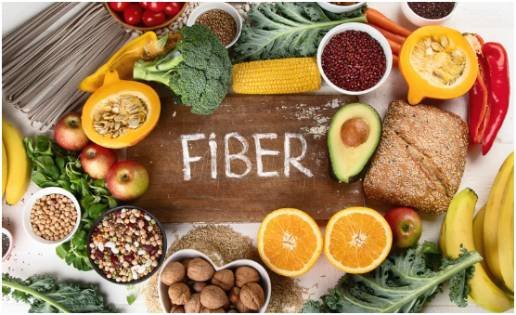
The best high-fiber foods for everyday meals are not always specialty products. Many are affordable staples that already belong in soups, sandwiches, salads, oatmeal, pasta dishes, and grain bowls.
Beans, Lentils, and Other Legumes
Legumes provide some of the strongest fiber returns for an ordinary serving. Lentils, chickpeas, black beans, kidney beans, navy beans, and split peas can contribute both fiber and plant protein.
I add lentils to soup, pasta sauce, and curry. Chickpeas work in salads, wraps, grain bowls, and mashed sandwich fillings. Black beans fit tacos, scrambled eggs, soups, and rice dishes.
Canned beans make this habit more practical. I drain and rinse them before use, especially when I want to reduce some of the sodium in the packing liquid.
A half-cup addition is often easier than planning a bean-centered meal. It can turn a low-fiber lunch into something more filling without changing the whole recipe.
Whole Grains for Breakfast and Dinner
Oats, barley, bulgur, quinoa, brown rice, whole-wheat pasta, and whole-grain bread offer convenient ways to replace refined grains.
Oatmeal is one of my easiest breakfast foundations. I can add berries, pear, chia seeds, or ground flaxseed without extra cooking. Barley works well in soups because it adds a pleasantly chewy texture.
When buying bread or cereal, I check the ingredient list. The first grain should ideally include the word “whole,” such as whole-wheat flour or whole-grain oats. Terms such as wheat flour or multigrain do not automatically guarantee a whole-grain product.
I also check the Nutrition Facts panel. The FDA considers 5% Daily Value or less low and 20% or more high for a nutrient in one serving.
Fiber-Rich Fruits
Raspberries, blackberries, pears, apples, oranges, bananas, and avocado can add fiber without requiring much preparation.
Berries are easy to mix into oatmeal, yogurt, cereal, and smoothies. Pears and apples make portable snacks, especially when eaten with their edible skins. Peeling removes part of the fruit’s fiber.
I prefer whole fruit to juice when fiber is my goal. Juicing often removes much of the fibrous plant structure, while a whole fruit also requires more chewing and usually feels more satisfying.
Frozen fruit counts too. I keep frozen berries available because they are less likely to spoil before I use them. They soften quickly when stirred into warm oatmeal.
Vegetables That Add More Fiber
Green peas, broccoli, Brussels sprouts, carrots, sweet potatoes, artichokes, winter squash, and leafy greens can increase the fiber and volume of a meal.
I rarely build an entire dinner around a single high-fiber vegetable. Instead, I add vegetables to food I already prepare. Peas go into rice dishes, broccoli goes into pasta, and spinach disappears easily into soup or sauce.
Potatoes and sweet potatoes retain more fiber when I keep the edible skin. I scrub them well before roasting or baking.
Vegetables also provide more than fiber. Choosing several colors helps vary the vitamins, minerals, and plant compounds in my meals. Federal dietary guidance identifies fruits, vegetables, and whole grains as important contributors to dietary fiber intake.
Nuts and Seeds
Chia seeds, ground flaxseed, almonds, pistachios, peanuts, and sunflower seeds add fiber in compact portions.
Chia seeds work in oatmeal, yogurt, smoothies, and chia pudding. Ground flaxseed mixes into hot cereal or pancake batter. Grinding flaxseed makes it easier to use in meals than relying on whole seeds.
I measure nuts and seeds rather than eating from the package. They are nutritious but energy-dense, so a small serving is usually enough.
These ingredients are especially useful when a meal contains some fiber but needs a final boost. A spoonful of chia seeds or a small portion of almonds can complete the meal without adding another cooked component.
My Fiber-Stacking Method
The best high-fiber foods for everyday meals become more useful when I combine several modest sources. I call this fiber stacking.
Instead of demanding ten grams from one ingredient, I add two or three sources to the same meal. Breakfast might include oats, raspberries, and chia seeds. Lunch may combine whole-grain bread, hummus, and vegetables.
Dinner can include brown rice, black beans, and broccoli. A pear or a small handful of almonds can add fiber between meals.
This method offers more variety than relying on one food. It also brings different plant foods into the diet, which makes meals more interesting and easier to repeat.
A High-Fiber Day Using Familiar Foods

Here is a practical example rather than a perfect meal plan.
For breakfast, I prepare oatmeal with raspberries and one tablespoon of chia seeds. The oats provide the base, while the fruit and seeds raise the fiber without creating a huge portion.
At lunch, I make a whole-grain wrap with mashed chickpeas, lettuce, shredded carrots, and avocado. I might use leftovers or canned chickpeas to keep preparation simple.
Dinner could be whole-wheat pasta with lentils stirred into tomato sauce and broccoli served on the side. I keep the lentil portion moderate so the meal still tastes like familiar pasta.
For a snack, I choose a pear with a small handful of almonds or air-popped popcorn. This day demonstrates the main principle: fiber comes from repeated additions, not one heroic serving.
Readers building quick lunches can find more combinations through best high-fiber foods for everyday meals.
How to Read Packaged-Food Labels for Fiber

Packaged foods can support a high-fiber diet, but front-label claims need verification.
I start with serving size because every nutrition number refers to that amount. I then check dietary fiber in grams and % Daily Value.
A food providing 20% Daily Value or more per serving is considered high in fiber under the FDA’s general labeling guide. Five percent or less is considered low.
Next, I read ingredient lists on packaged foods. Whole grains, beans, lentils, vegetables, nuts, seeds, and fruit offer clues about where the fiber comes from.
Some products contain isolated or added fibers. These ingredients can contribute to the listed fiber total, but I still consider the product’s complete nutritional profile. The FDA defines dietary fiber for labeling purposes and evaluates qualifying isolated or synthetic fibers for beneficial physiological effects.
I also compare added sugars, sodium, and saturated fat. A fiber claim does not cancel high levels of other nutrients I may need to limit.
Increase Fiber Without Digestive Discomfort
Adding several large portions of beans, bran, and seeds overnight can cause bloating, gas, or discomfort. I increase fiber in smaller steps.
I might add one fiber-rich breakfast for several days before changing lunch. Then I increase vegetables or legumes at dinner.
Fluids also matter because fiber interacts with water in the digestive tract. I drink regularly throughout the day instead of waiting until I feel thirsty.
Chewing thoroughly and varying food sources can also help. Cooked vegetables, oatmeal, and lentil soup may feel gentler than a sudden volume of raw vegetables and bran.
Anyone with a digestive condition, recent gastrointestinal surgery, swallowing difficulty, or a medically prescribed diet should seek personalized guidance before making a major change.
Common High-Fiber Eating Mistakes
One mistake is assuming every brown food is high in fiber. Brown bread, crackers, and rice products may still use mostly refined grains. I confirm the fiber amount on the label.
Another mistake is adding fiber without considering serving size. A cereal may appear impressive, but the listed serving could be smaller than the bowl I normally eat.
I also avoid depending entirely on supplements or snack bars. Whole and minimally processed plant foods provide fiber alongside other nutrients and can form the foundation of regular meals.
Finally, I do not increase fiber too quickly. The best high-fiber foods for everyday meals only help when I can eat them consistently and comfortably.
Frequently Asked Questions
1. What are the best high-fiber foods for everyday meals?
Beans, lentils, oats, barley, berries, pears, broccoli, peas, chia seeds, flaxseed, and almonds are versatile high-fiber choices.
2. Which high-fiber food is easiest to eat daily?
Oats are easy to use daily because they work in oatmeal, overnight oats, baked recipes, smoothies, and homemade snack mixtures.
3. How can I add more fiber without eating beans?
Choose berries, pears, apples, oats, barley, whole-grain bread, vegetables, chia seeds, flaxseed, nuts, and air-popped popcorn.
4. Can I get enough fiber from food alone?
Many people can meet their needs through varied plant foods, although individual requirements and medical circumstances may differ.
Your Meals Called, and They Want More Fiber
I do not need a dramatic diet makeover to eat more fiber. I need a few repeatable upgrades that fit food I already enjoy.
The best high-fiber foods for everyday meals are the ones I can buy, prepare, tolerate, and use consistently. I begin with one simple change, such as adding berries to oats or beans to lunch.
Choose one meal today and stack two fiber sources into it. That small move is more useful than buying an expensive product that stays unopened in the pantry.
Leave a Reply