Category: Food and Nutrition

  • How to Make Frozen Vegetables Taste Good and Healthy

    How to Make Frozen Vegetables Taste Good and Healthy

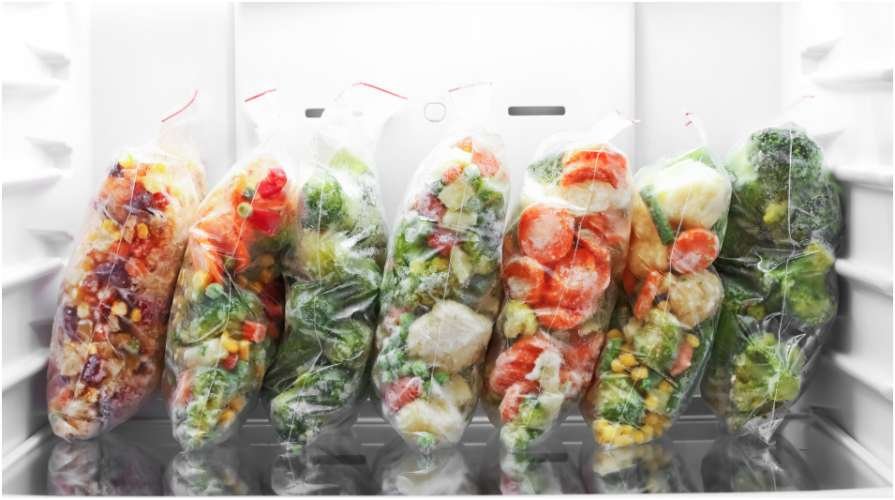
    I used to treat frozen vegetables like an emergency side dish. I would boil them, drain them and wonder why they tasted watery and dull. Learning how to make frozen vegetables taste good and healthy changed both their texture and their role in my meals.

    The biggest improvement came when I stopped treating them like fresh vegetables. Frozen produce contains surface ice and releases moisture as it heats. It needs strong heat, enough cooking space and seasoning added at the right time.

    Why Frozen Vegetables Become Soggy

    Most frozen vegetables are briefly blanched before freezing. Blanching slows the enzymes that affect their color, flavor and quality during storage. This means the vegetables have already received some heat before reaching my kitchen.

    Freezing also creates ice crystals inside plant cells. Once heated, those crystals melt and release water. Thawing vegetables before cooking gives that moisture more time to soften their structure.

    I therefore cook most varieties directly from frozen. This reduces handling, saves time and helps the outside brown before the inside becomes too soft.

    Frozen vegetables are not automatically less nutritious than fresh ones. Research comparing fresh and frozen produce has found that nutrient levels vary by vegetable, but frozen options often remain comparable to fresh produce.

    My Three Rules for Better Frozen Vegetables
    My Three Rules for Better Frozen Vegetables

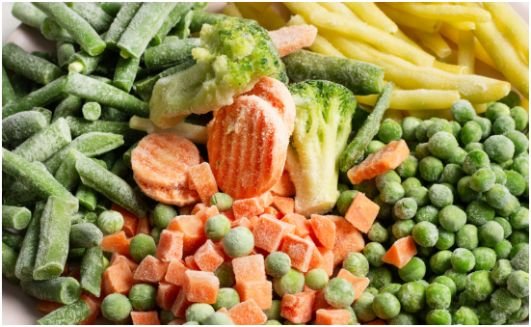
    My approach to how to make frozen vegetables taste good and healthy follows three simple rules: skip thawing, control moisture and finish with concentrated flavor.

    Cook Them Straight From Frozen

    I pour frozen vegetables directly from the bag into a hot pan, air fryer basket or roasting tray. Thawing often leaves broccoli, cauliflower and green beans wet before cooking even begins.

    There are exceptions. Frozen spinach may need thawing and squeezing when used in dips, stuffed pasta or baked dishes. Large frozen vegetable blocks may also need brief microwave heating so they separate evenly.

    Use High Heat and Enough Space

    High heat encourages browning. Crowding traps steam.

    When vegetables overlap in a roasting pan, moisture cannot escape quickly. They simmer in their own water instead of developing crisp edges. I use two trays when one tray looks crowded.

    I also preheat the pan when roasting. The instant contact with hot metal helps evaporate surface moisture faster.

    Add Salt Near the End

    Salt improves flavor, but it can also pull water from vegetables. I wait until the vegetables have started browning before adding it.

    This is not an absolute cooking law. However, delaying salt has consistently helped me achieve firmer frozen vegetables, especially in a skillet. I add herbs, citrus juice and finishing sauces after the main moisture has evaporated.

    Healthy Ways to Cook Frozen Vegetables
    Healthy Ways to Cook Frozen Vegetables

    The best cooking method depends on the vegetable and the texture I want. Understanding how to make frozen vegetables taste good and healthy does not require expensive equipment.

    Oven Roasting for Crisp Edges

    I heat the oven to 425°F and place a sheet pan inside while it preheats. I toss the frozen vegetables with one or two teaspoons of olive oil, then spread them across the hot tray.

    Most small vegetables roast in 20 to 30 minutes. I turn them once after the edges begin browning. Broccoli, cauliflower, Brussels sprouts, carrots and green beans work especially well.

    A heavy layer of oil is unnecessary. A thin coating helps seasoning stick and supports browning without turning the vegetables greasy.

    Air Frying for Speed

    The air fryer is my preferred option for smaller portions. I cook frozen vegetables at 400°F for about 12 to 16 minutes, shaking the basket halfway through.

    Cooking time depends on the appliance and vegetable size. Thin green beans may finish faster than large broccoli florets.

    I avoid filling the basket to the top. Air must circulate around the vegetables to remove steam and produce crisp edges.

    Skillet Sautéing for Weeknight Meals

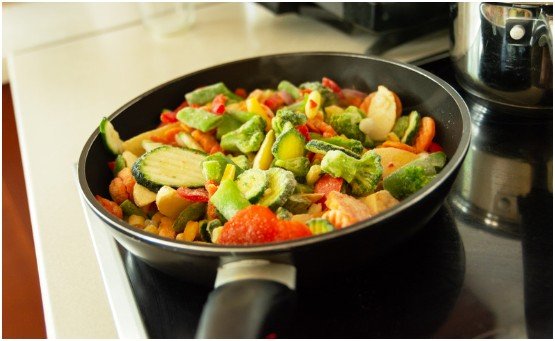
    For skillet cooking, I heat a wide pan before adding the vegetables. I start with little or no oil and allow the surface ice to evaporate.

    Once the pan looks dry, I add a teaspoon of olive or avocado oil. I leave the vegetables undisturbed for one minute before stirring. That short pause creates more browning than constant movement.

    This dry-then-oil method is one of my most reliable answers to how to make frozen vegetables taste good and healthy on a busy night.

    Steaming and Microwaving Without Mushiness

    Steaming and microwaving can preserve a clean flavor when crispness is not the goal. Studies examining vegetable cooking methods have found that boiling often causes greater vitamin C losses than methods using less water, although results differ by vegetable.

    I microwave vegetables with only a tablespoon of water and stop while they still have some bite. I then drain any liquid before seasoning.

    Boiling is my last choice because it encourages waterlogging. When I must boil vegetables for soup, I keep the cooking liquid in the dish rather than pouring it away.

    Healthy Seasonings That Add Real Flavor
    Healthy Seasonings That Add Real Flavor

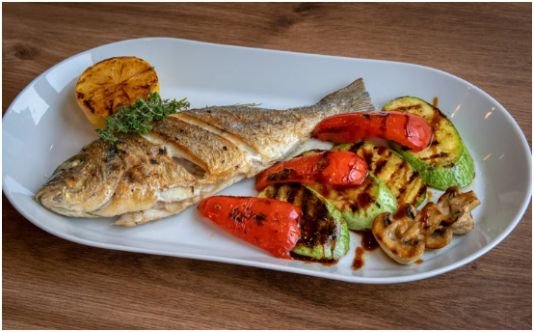
    Frozen vegetables need contrast. I combine saltiness, acidity, aroma and savory depth instead of relying on butter or cheese alone.

    For bright flavor, I use lemon juice, lime juice, red wine vinegar or rice vinegar. I add acid after cooking because prolonged heat can soften its impact.

    For savory depth, I use garlic powder, onion powder, smoked paprika, nutritional yeast or a small amount of low-sodium soy sauce. Fresh garlic, ginger, scallions and chilies work well in skillet dishes.

    Healthy fats also carry flavor. A teaspoon of extra-virgin olive oil, tahini or toasted sesame oil can transform a full serving. Sesame oil tastes strongest as a finishing ingredient, so I use only a few drops.

    These vegetables also pair naturally with many of the best high-fiber foods for everyday meals, including beans, lentils, whole grains and seeds.

    My Tested Flavor Formula

    My original formula for how to make frozen vegetables taste good and healthy is “one dry spice, one finishing acid and one savory accent.”

    For frozen broccoli, I use garlic powder, lemon juice and nutritional yeast. For green beans, I use smoked paprika, red wine vinegar and toasted almonds. For a stir-fry blend, I use ground ginger, lime juice and low-sodium soy sauce.

    I tested the formula by cooking two equal cups of frozen broccoli. One batch received oil and salt before cooking. The second received garlic powder first, then salt, lemon and nutritional yeast after roasting.

    The second batch browned more evenly and tasted stronger without requiring extra oil. This was a kitchen comparison rather than a scientific trial, but it gave me a practical rule I now use regularly.

    Turn Frozen Vegetables Into Balanced Meals
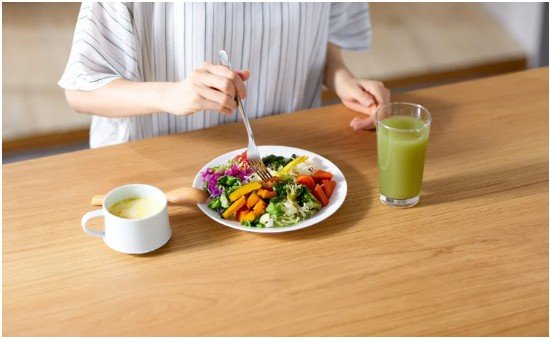
    Turn Frozen Vegetables Into Balanced Meals

    A plain side dish is not the only option. Once I understood how to make frozen vegetables taste good and healthy, I began using them as meal-building ingredients.

    I add frozen peas to scrambled eggs during the final two minutes. I stir spinach into lentil soup near the end of cooking. I combine roasted broccoli with brown rice, chickpeas and lemon-tahini dressing.

    Frozen corn works well in black bean bowls, taco fillings and vegetable chili. Cauliflower can bulk out pasta sauce or curry. Mixed vegetables can turn leftover rice into a fast skillet meal.

    For better balance, I pair the vegetables with protein, a fiber-rich carbohydrate and a small amount of healthy fat. This creates a more satisfying meal than vegetables served alone.

    Common Mistakes to Avoid

    The most common mistake is overcrowding. Even the correct temperature cannot produce crisp vegetables when steam has nowhere to escape.

    I also avoid pouring frozen vegetables into a cold skillet. They thaw slowly, release water and begin stewing.

    Using too much oil creates another problem. Oil cannot remove moisture. Excess oil may coat wet vegetables without helping them brown.

    Finally, I check the package directions. Some frozen products are designed for cooking, not eating straight from the bag. Freezing stops most bacterial growth but does not necessarily kill bacteria. The FDA advises keeping freezers at 0°F and cooking frozen foods properly.

    Frequently Asked Questions

    1. How do you make frozen vegetables crispy?

    Cook them from frozen at high heat, avoid crowding and allow surface moisture to evaporate before adding wet sauces.

    2. What is the healthiest way to cook frozen vegetables?

    Microwaving, steaming, air frying and roasting with minimal oil can all work well when vegetables are not overcooked.

    3. How can I season frozen vegetables without butter?

    Use citrus juice, vinegar, garlic, herbs, smoked paprika, nutritional yeast, tahini or a small amount of low-sodium soy sauce.

    4. Can I roast frozen vegetables without thawing them?

    Yes. Cooking them directly from frozen usually produces better texture because thawing can release extra water before roasting.

    Your Freezer Vegetables Deserve Better

    My best lesson about how to make frozen vegetables taste good and healthy is that flavor begins with moisture control. High heat creates texture, but the finishing ingredients create personality.

    Tonight, choose one frozen vegetable and use the simple formula: dry spice, high heat, finishing acid and savory accent. That small change can turn an overlooked freezer bag into the most flavorful part of dinner.
  • Best High-Fiber Foods for Everyday Meals: 15 Picks

    Best High-Fiber Foods for Everyday Meals: 15 Picks

    A high-fiber diet does not require bran cereal at every breakfast or a sudden pantry overhaul. I get better results by adding small amounts of fiber-rich food throughout the day.

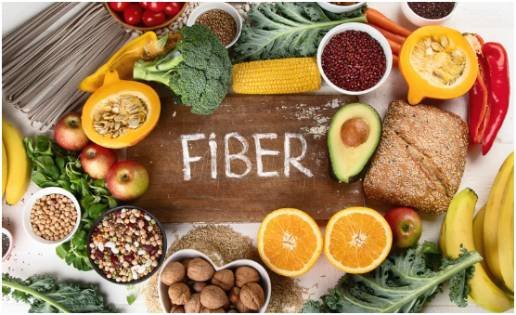
    The best high-fiber foods for everyday meals include beans, lentils, oats, barley, berries, pears, vegetables, chia seeds, and nuts. They fit familiar recipes and make it easier to increase fiber without turning every meal into a nutrition project.

    Why Fiber Deserves a Place at Every Meal

    Dietary fiber is a carbohydrate that the body does not completely digest. It occurs naturally in plant foods, including legumes, whole grains, fruits, vegetables, nuts, and seeds.

    Different fibers perform different roles. Soluble fiber can form a gel-like substance during digestion. Insoluble fiber adds bulk and supports regular bowel movements. Most plant foods contain a mixture rather than only one type.

    The US Food and Drug Administration sets the Daily Value for dietary fiber at 28 grams on a 2,000-calorie diet. Individual needs can vary with age, calorie intake, health, and other factors.

    I do not treat 28 grams as a number that must come from one large bowl of beans. I spread fiber across breakfast, lunch, dinner, and snacks. That approach feels more natural and is often easier on digestion.

    Best High-Fiber Foods for Everyday Meals

    Best High-Fiber Foods for Everyday Meals

    The best high-fiber foods for everyday meals are not always specialty products. Many are affordable staples that already belong in soups, sandwiches, salads, oatmeal, pasta dishes, and grain bowls.

    Beans, Lentils, and Other Legumes

    Legumes provide some of the strongest fiber returns for an ordinary serving. Lentils, chickpeas, black beans, kidney beans, navy beans, and split peas can contribute both fiber and plant protein.

    I add lentils to soup, pasta sauce, and curry. Chickpeas work in salads, wraps, grain bowls, and mashed sandwich fillings. Black beans fit tacos, scrambled eggs, soups, and rice dishes.

    Canned beans make this habit more practical. I drain and rinse them before use, especially when I want to reduce some of the sodium in the packing liquid.

    A half-cup addition is often easier than planning a bean-centered meal. It can turn a low-fiber lunch into something more filling without changing the whole recipe.

    Whole Grains for Breakfast and Dinner

    Oats, barley, bulgur, quinoa, brown rice, whole-wheat pasta, and whole-grain bread offer convenient ways to replace refined grains.

    Oatmeal is one of my easiest breakfast foundations. I can add berries, pear, chia seeds, or ground flaxseed without extra cooking. Barley works well in soups because it adds a pleasantly chewy texture.

    When buying bread or cereal, I check the ingredient list. The first grain should ideally include the word “whole,” such as whole-wheat flour or whole-grain oats. Terms such as wheat flour or multigrain do not automatically guarantee a whole-grain product.

    I also check the Nutrition Facts panel. The FDA considers 5% Daily Value or less low and 20% or more high for a nutrient in one serving.

    Fiber-Rich Fruits

    Raspberries, blackberries, pears, apples, oranges, bananas, and avocado can add fiber without requiring much preparation.

    Berries are easy to mix into oatmeal, yogurt, cereal, and smoothies. Pears and apples make portable snacks, especially when eaten with their edible skins. Peeling removes part of the fruit’s fiber.

    I prefer whole fruit to juice when fiber is my goal. Juicing often removes much of the fibrous plant structure, while a whole fruit also requires more chewing and usually feels more satisfying.

    Frozen fruit counts too. I keep frozen berries available because they are less likely to spoil before I use them. They soften quickly when stirred into warm oatmeal.

    Vegetables That Add More Fiber

    Green peas, broccoli, Brussels sprouts, carrots, sweet potatoes, artichokes, winter squash, and leafy greens can increase the fiber and volume of a meal.

    I rarely build an entire dinner around a single high-fiber vegetable. Instead, I add vegetables to food I already prepare. Peas go into rice dishes, broccoli goes into pasta, and spinach disappears easily into soup or sauce.

    Potatoes and sweet potatoes retain more fiber when I keep the edible skin. I scrub them well before roasting or baking.

    Vegetables also provide more than fiber. Choosing several colors helps vary the vitamins, minerals, and plant compounds in my meals. Federal dietary guidance identifies fruits, vegetables, and whole grains as important contributors to dietary fiber intake.

    Nuts and Seeds

    Chia seeds, ground flaxseed, almonds, pistachios, peanuts, and sunflower seeds add fiber in compact portions.

    Chia seeds work in oatmeal, yogurt, smoothies, and chia pudding. Ground flaxseed mixes into hot cereal or pancake batter. Grinding flaxseed makes it easier to use in meals than relying on whole seeds.

    I measure nuts and seeds rather than eating from the package. They are nutritious but energy-dense, so a small serving is usually enough.

    These ingredients are especially useful when a meal contains some fiber but needs a final boost. A spoonful of chia seeds or a small portion of almonds can complete the meal without adding another cooked component.

    My Fiber-Stacking Method

    The best high-fiber foods for everyday meals become more useful when I combine several modest sources. I call this fiber stacking.

    Instead of demanding ten grams from one ingredient, I add two or three sources to the same meal. Breakfast might include oats, raspberries, and chia seeds. Lunch may combine whole-grain bread, hummus, and vegetables.

    Dinner can include brown rice, black beans, and broccoli. A pear or a small handful of almonds can add fiber between meals.

    This method offers more variety than relying on one food. It also brings different plant foods into the diet, which makes meals more interesting and easier to repeat.

    A High-Fiber Day Using Familiar Foods

    A High-Fiber Day Using Familiar Foods

    Here is a practical example rather than a perfect meal plan.

    For breakfast, I prepare oatmeal with raspberries and one tablespoon of chia seeds. The oats provide the base, while the fruit and seeds raise the fiber without creating a huge portion.

    At lunch, I make a whole-grain wrap with mashed chickpeas, lettuce, shredded carrots, and avocado. I might use leftovers or canned chickpeas to keep preparation simple.

    Dinner could be whole-wheat pasta with lentils stirred into tomato sauce and broccoli served on the side. I keep the lentil portion moderate so the meal still tastes like familiar pasta.

    For a snack, I choose a pear with a small handful of almonds or air-popped popcorn. This day demonstrates the main principle: fiber comes from repeated additions, not one heroic serving.

    Readers building quick lunches can find more combinations through best high-fiber foods for everyday meals.

    How to Read Packaged-Food Labels for Fiber

    How to Read Packaged-Food Labels for Fiber

     Packaged foods can support a high-fiber diet, but front-label claims need verification.

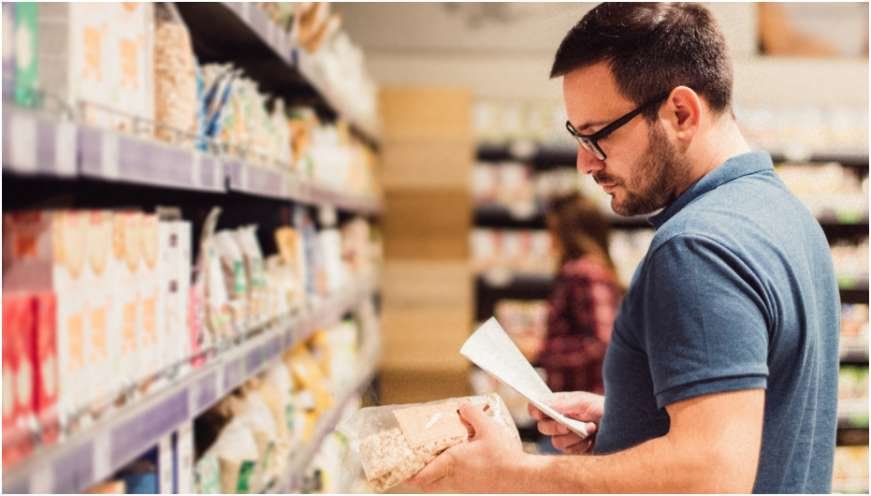
    I start with serving size because every nutrition number refers to that amount. I then check dietary fiber in grams and % Daily Value.

    A food providing 20% Daily Value or more per serving is considered high in fiber under the FDA’s general labeling guide. Five percent or less is considered low.

    Next, I read ingredient lists on packaged foods. Whole grains, beans, lentils, vegetables, nuts, seeds, and fruit offer clues about where the fiber comes from.

    Some products contain isolated or added fibers. These ingredients can contribute to the listed fiber total, but I still consider the product’s complete nutritional profile. The FDA defines dietary fiber for labeling purposes and evaluates qualifying isolated or synthetic fibers for beneficial physiological effects.

    I also compare added sugars, sodium, and saturated fat. A fiber claim does not cancel high levels of other nutrients I may need to limit.

    Increase Fiber Without Digestive Discomfort

    Adding several large portions of beans, bran, and seeds overnight can cause bloating, gas, or discomfort. I increase fiber in smaller steps.

    I might add one fiber-rich breakfast for several days before changing lunch. Then I increase vegetables or legumes at dinner.

    Fluids also matter because fiber interacts with water in the digestive tract. I drink regularly throughout the day instead of waiting until I feel thirsty.

    Chewing thoroughly and varying food sources can also help. Cooked vegetables, oatmeal, and lentil soup may feel gentler than a sudden volume of raw vegetables and bran.

    Anyone with a digestive condition, recent gastrointestinal surgery, swallowing difficulty, or a medically prescribed diet should seek personalized guidance before making a major change.

    Common High-Fiber Eating Mistakes

    One mistake is assuming every brown food is high in fiber. Brown bread, crackers, and rice products may still use mostly refined grains. I confirm the fiber amount on the label.

    Another mistake is adding fiber without considering serving size. A cereal may appear impressive, but the listed serving could be smaller than the bowl I normally eat.

    I also avoid depending entirely on supplements or snack bars. Whole and minimally processed plant foods provide fiber alongside other nutrients and can form the foundation of regular meals.

    Finally, I do not increase fiber too quickly. The best high-fiber foods for everyday meals only help when I can eat them consistently and comfortably.

    Frequently Asked Questions

    1. What are the best high-fiber foods for everyday meals?

    Beans, lentils, oats, barley, berries, pears, broccoli, peas, chia seeds, flaxseed, and almonds are versatile high-fiber choices.

    2. Which high-fiber food is easiest to eat daily?

    Oats are easy to use daily because they work in oatmeal, overnight oats, baked recipes, smoothies, and homemade snack mixtures.

    3. How can I add more fiber without eating beans?

    Choose berries, pears, apples, oats, barley, whole-grain bread, vegetables, chia seeds, flaxseed, nuts, and air-popped popcorn.

    4. Can I get enough fiber from food alone?

    Many people can meet their needs through varied plant foods, although individual requirements and medical circumstances may differ.

    Your Meals Called, and They Want More Fiber

    I do not need a dramatic diet makeover to eat more fiber. I need a few repeatable upgrades that fit food I already enjoy.

    The best high-fiber foods for everyday meals are the ones I can buy, prepare, tolerate, and use consistently. I begin with one simple change, such as adding berries to oats or beans to lunch.

    Choose one meal today and stack two fiber sources into it. That small move is more useful than buying an expensive product that stays unopened in the pantry.

  • How to Read Ingredient Lists on Packaged Foods Correctly

    How to Read Ingredient Lists on Packaged Foods Correctly

    A package can promise “natural,” “wholesome,” or “made with whole grains” while telling a different story on the back. Learning how to read ingredient lists on packaged foods helps me move past those claims and judge what the product actually contains.

    I do not search for a perfect label. I check whether the main ingredients suit my needs, whether added sugars dominate the recipe, and whether allergens or additives require closer attention.

    Why the Ingredient List Deserves Your Attention

    The Nutrition Facts panel shows amounts of nutrients per serving. The ingredient list reveals what manufacturers used to create the food. I read both because neither provides the complete picture alone.

    Under US labeling rules, ingredients generally appear in descending order by weight. The ingredient present in the greatest amount comes first, followed by ingredients used in smaller quantities.

    This ordering makes the beginning of the list especially useful. However, it does not mean the first three ingredients always form a fixed percentage of the product. Labels do not disclose each ingredient’s exact proportion.

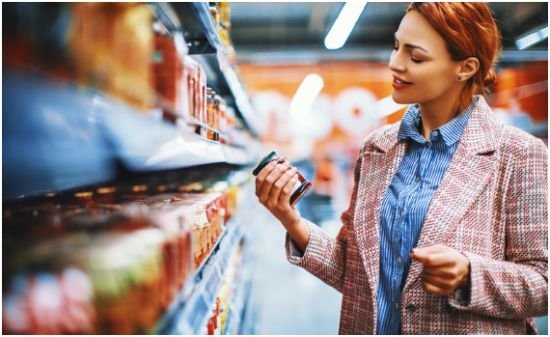
    Front-label claims can still offer useful information, but I treat them as prompts rather than proof. I turn the package around before making a decision.

    How to Read Ingredient Lists on Packaged Foods

    How to Read Ingredient Lists on Packaged Foods

    The easiest method is to scan the label in a consistent order. I begin with the dominant ingredients, check added sugars and oils, and finish with allergens and additives.

    Start With the First Three Ingredients

    When learning how to read ingredient lists on packaged foods, start at the beginning rather than counting every item.

    The first few ingredients usually tell me the product’s basic structure. A whole-grain bread may begin with whole-wheat flour and water. A fruit snack may begin with corn syrup, sugar, and fruit concentrate.

    I ask three questions:

    1. Is the expected food the first ingredient?
    2. Do added sugars or refined starches appear near the top?
    3. Does the product contain ingredients that support its main claim?

    For example, a package labeled “multigrain” may contain several grains but still use refined wheat flour as its primary ingredient. “Multigrain” describes variety, not necessarily whole-grain content.

    Identify Added Sugars Without Memorizing Every Name

    Sugar can appear under many names, including sucrose, dextrose, corn syrup, honey, malt syrup, agave nectar, molasses, and concentrated fruit juice.

    Manufacturers must also declare added sugars in grams and as a percentage of Daily Value on most Nutrition Facts labels. This makes the Nutrition Facts panel more useful than trying to memorize every possible sugar term.

    I use the ingredient list to identify the source of sweetness. Then I use the Added Sugars line to measure its amount.

    Sugar appearing fourth instead of first does not automatically make a product low in added sugar. Several sweeteners may appear separately and occupy different positions.

    Check the Nutrition Facts Panel

    Knowing how to read ingredient lists on packaged foods also means knowing when to look beyond the list.

    The ingredient list cannot tell me how many grams of fiber, sodium, saturated fat, protein, or added sugar appear in one serving. I compare those amounts on the Nutrition Facts panel.

    I check the serving size first. A package may look like one portion while the label lists two or more servings.

    My priorities change with the product. For breakfast cereal, I may compare fiber and added sugar. For soup, I focus more on sodium. For a snack, I may check protein, fiber, and portion size.

    Ingredient lists explain composition. Nutrition Facts explain quantity.

    Find Fats and Oils

    The word “oil” does not automatically signal a poor choice. Olive, canola, sunflower, soybean, and avocado oils differ in composition, but each may appear in processed foods.

    I pay closer attention to partially hydrogenated oil because it has historically been a major source of artificial trans fat. The FDA has completed actions removing partially hydrogenated oils from most food uses, although small amounts of trans fat may still occur naturally or through other sources.

    A Nutrition Facts label may display zero grams of trans fat when a serving contains less than 0.5 grams because labeling rules allow that amount to round down.

    That makes serving size relevant. Eating several servings can increase the actual amount consumed.

    Review Allergens and Advisory Statements

    Review Allergens and Advisory Statements

    For anyone managing a food allergy, how to read ingredient lists on packaged foods becomes a safety skill rather than a general nutrition habit.

    US labels must identify the food source of the nine major allergens: milk, eggs, fish, crustacean shellfish, tree nuts, peanuts, wheat, soybeans, and sesame. Sesame joined the major-allergen list under the FASTER Act.

    An allergen may appear in parentheses after an ingredient, such as “whey (milk).” It may also appear in a separate “Contains” statement.

    When a Contains statement is used, it must name all major allergens present as ingredients.

    “May contain” or “processed in a facility” statements relate to possible cross-contact. They do not mean the allergen was deliberately added. People with diagnosed allergies should follow guidance from their healthcare team.

    Understand Additives Without Fearing Every Chemical Name

    A long or unfamiliar word is not automatic evidence that a food is harmful. Ascorbic acid is vitamin C. Alpha-tocopherol is a form of vitamin E. Lecithin helps ingredients mix, while xanthan gum affects texture.

    The FDA requires food ingredients to use their common or usual names. Color additives and other regulated ingredients must also appear when required.

    Instead of judging an ingredient by pronunciation, I ask what it does. Preservatives can slow spoilage. Emulsifiers help oil and water remain mixed. Fortification can replace or add nutrients.

    A short ingredient list can be convenient, but it is not a health guarantee. Butter may contain one ingredient while a fiber-rich cereal contains many. The full nutritional context matters more than list length.

    My Three-Pass Method for Reading Food Labels

    My Three-Pass Method for Reading Food Labels

    I developed a three-pass routine because reading every word in the grocery aisle became slow and frustrating.

    During the first pass, I identify the product’s foundation. I read the first three to five ingredients and decide whether they match what I expect to buy.

    During the second pass, I check my personal priorities. I may look for whole grains, added sugar, sodium, protein, fiber, or a specific oil.

    During the third pass, I complete the safety check. I review allergens, serving size, expiration information, and preparation instructions.

    This process usually takes less than a minute after some practice. It also prevents one ingredient from controlling the entire decision.

    I use the same approach when choosing ingredients for Easy no-cook lunches with protein and fiber. I compare canned beans, whole-grain crackers, yogurt, tuna, hummus, and prepared vegetables based on both composition and nutrient amounts.

    A Worked Peanut Butter Label Comparison

    Peanut butter provides a simple example of how to read ingredient lists on packaged foods.

    Product A lists peanuts and salt. Product B lists peanuts, sugar, palm oil, molasses, and salt.

    I would choose Product A when I want a basic peanut butter without added sweeteners or stabilizing oils. However, Product B is not automatically forbidden. It may offer the sweeter taste and no-stir texture someone prefers.

    Next, I compare serving size, added sugar, sodium, and saturated fat. If the differences are small and I enjoy Product B more, preference may influence my choice.

    This is the original rule I use: the ingredient list should inform the decision, not make the decision alone.

    Common Ingredient-List Mistakes

    One mistake is assuming every unfamiliar ingredient is dangerous. Scientific-sounding names often describe familiar vitamins, minerals, acids, or processing ingredients.

    Another mistake is believing fewer than ten ingredients always means healthier. No federal rule or strong universal standard makes ten ingredients a meaningful cutoff.

    I also avoid judging one ingredient without checking its position. Salt near the end usually contributes less weight than an ingredient listed first, although the exact quantity remains unknown.

    Finally, I never ignore serving size. A food can appear low in sugar or sodium until I calculate how many labeled servings I actually eat.

    Frequently Asked Questions

    1. What should I look for first on an ingredient list?

    Start with the first three to five ingredients because they appear in descending order by weight and reveal the product’s main composition.

    2. How can I identify hidden sugar on food labels?

    Check both the ingredient list for sweetener names and the Added Sugars line for grams and percentage of Daily Value.

    3. Does a short ingredient list mean a food is healthy?

    No. Ingredient count does not measure fiber, sodium, added sugar, portion size, nutrient density, or the overall quality of a food.

    4. How do I read food labels when I have allergies?

    Read the complete ingredient list and Contains statement every time because recipes and manufacturing practices can change.

    Read the Back, Then Own the Snack

    Once I understood how to read ingredient lists on packaged foods, grocery shopping became less about chasing perfect products and more about making useful comparisons.

    My next step is simple: I pick two similar products, read the first five ingredients, and compare one nutrient that matters to me. That small habit gives me more reliable information than any bold promise on the front.

  • Easy No-Cook Lunches With Protein and Fiber for Busy Days

    Easy No-Cook Lunches With Protein and Fiber for Busy Days

    I used to treat a handful of crackers and a cheese stick as lunch when my schedule became hectic. By midafternoon, I was distracted, hungry and searching for something sweet. Building easy no-cook lunches with protein and fiber changed that pattern without adding another cooking session to my week.

    My best lunches now take five to ten minutes. They combine a ready-to-eat protein, a fiber-rich food, crisp produce and a flavorful finishing ingredient. The result feels like a real meal rather than a random collection of snacks.

    Why Protein and Fiber Make Lunch More Satisfying

    Protein supports muscle maintenance and many essential body functions. Fiber adds volume, supports digestive health and appears in foods such as beans, vegetables, fruit and whole grains.

    Current U.S. dietary guidance encourages nutrient-dense protein foods, vegetables, fruits and fiber-rich whole grains. It also recommends choosing whole or minimally processed foods more often.

    Protein and fiber do not guarantee that every person will remain full for the same period. Appetite also depends on sleep, activity, meal size and individual needs. However, research suggests that protein-rich meals can increase feelings of fullness. Studies of beans and other pulses have also found favorable effects on short-term satiety.

    I use a practical target rather than chasing perfect numbers. Most of my lunches contain about 25 to 35 grams of protein and at least two meaningful fiber sources. That may include beans plus vegetables or whole-grain bread plus fruit.

    My Four-Part No-Cook Lunch Formula

    My Four-Part No-Cook Lunch Formula

    The easiest way to create easy no-cook lunches with protein and fiber is to stop thinking in strict recipes. I build each meal with four parts: protein, fiber, freshness and flavor.

    Choose a Convenient Protein

    Start with one protein that requires no preparation beyond opening or slicing. Useful options include canned tuna, canned salmon, rotisserie chicken, deli turkey, cottage cheese, Greek yogurt, mozzarella, tofu or ready-to-eat lentils.

    Read labels when buying flavored yogurt, deli meat and canned seafood. Sodium, added sugar and serving sizes vary widely between products.

    Add a High-Fiber Base

    Beans are my favorite shortcut because they provide both protein and fiber. Black beans, chickpeas, cannellini beans and lentils work in bowls, wraps and salads.

    Other practical choices include whole-grain bread, high-fiber tortillas, seeded crackers, pears, berries and vegetables. A meal does not need an enormous amount of fiber to count. It simply needs more substance than white bread or chips alone.

    Include Freshness and Crunch

    Texture determines whether I enjoy a no-cook meal. I add at least one crisp ingredient, such as cucumber, bell pepper, shredded carrots, celery or cabbage.

    This is my tested “two-texture rule”: combine one creamy ingredient with one crunchy ingredient. Cottage cheese with peppers works. Hummus with carrots works. Greek yogurt dressing with celery works. The contrast makes simple ingredients feel more complete.

    Finish With a Strong Flavor

    A bland lunch rarely becomes a repeat lunch. Salsa, pesto, mustard, lemon juice, balsamic glaze, hot sauce, herbs or seasoning blends can transform basic staples.

    Use concentrated ingredients carefully. Feta, olives, deli meats and bottled sauces can add considerable sodium when combined in one meal.

    Seven Easy No-Cook Lunch Ideas

    Seven Easy No-Cook Lunch Ideas

    These easy no-cook lunches with protein and fiber can be adjusted around allergies, dietary preferences and whatever is already in the refrigerator.

    Tex-Mex Cottage Cheese and Black Bean Bowl

    Spoon cottage cheese into a bowl and top it with rinsed black beans, chopped bell pepper, tomatoes and salsa. Add taco seasoning, cilantro or pumpkin seeds.

    The cottage cheese creates a high-protein base. Beans and vegetables add fiber and texture. Use plain Greek yogurt instead of cottage cheese when you prefer a smoother bowl.

    Creamy Chickpea Salad Wrap

    Mash chickpeas lightly with Greek yogurt, mustard and lemon juice. Fold in diced celery, walnuts and halved grapes. Roll the mixture inside a whole-grain or high-fiber tortilla.

    I leave some chickpeas whole because a completely smooth filling can become pasty. The celery and walnuts make this lunch much more satisfying.

    Tuna, White Bean and Cucumber Bowl

    Combine drained tuna with rinsed cannellini beans, chopped cucumber, parsley and cherry tomatoes. Dress it with olive oil, lemon juice and black pepper.

    This is one of my most reliable easy no-cook lunches with protein and fiber because both main ingredients are shelf-stable. I can assemble it even when the refrigerator looks nearly empty.

    Turkey Hummus Crunch Roll-Ups

    Spread hummus over sliced turkey breast. Add baby spinach, shredded carrots and thin cucumber strips. Roll each slice tightly and serve it with fruit or whole-grain crackers.

    For a larger lunch, place the same ingredients in a high-fiber tortilla. Check the deli-meat label when you are watching sodium intake.

    Caprese Chickpea Lunch Box

    Combine chickpeas, mozzarella pearls, cherry tomatoes and basil. Add balsamic vinegar or a small amount of balsamic glaze. Pack seeded crackers or a pear on the side.

    This lunch travels well when the dressing stays in a separate container. Add it just before eating to protect the texture.

    Greek Yogurt Chicken Salad Sandwich

    Mix chopped rotisserie chicken with plain Greek yogurt, Dijon mustard, celery and grapes. Spoon it onto whole-grain bread and add lettuce.

    Remove chicken skin before mixing when you want a lighter filling. Store the bread separately if the sandwich will sit for several hours.

    Lentil Feta Mediterranean Bowl

    Combine ready-to-eat lentils with cucumber, tomatoes, spinach, feta and olives. Add lemon juice, oregano and a drizzle of olive oil.

    Lentils make easy no-cook lunches with protein and fiber especially convenient because they require little seasoning and pair well with many vegetables.

    How I Keep No-Cook Lunches Fresh

    How I Keep No-Cook Lunches Fresh

    The difference between a crisp lunch and a soggy one usually comes down to storage. I keep wet ingredients away from bread, wraps and leafy greens until lunchtime.

    I also drain canned foods well. Excess liquid from tuna, beans or mozzarella can dilute dressing and soften vegetables. After rinsing beans, I let them sit in a strainer while I prepare everything else.

    For food safety, refrigerate perishable ingredients promptly and keep packed lunches cold with an insulated bag and frozen ice pack. Do not rely on appearance or smell to determine whether food has remained safe.

    I prepare components rather than fully assembled lunches. Washed vegetables, drained beans and portioned proteins remain more versatile. This method also reduces the boredom that often comes with eating the same meal several days in a row.

    No-Cook Grocery Staples Worth Buying

    A useful grocery list does not need dozens of specialty items. I keep two proteins, two legumes, several crisp vegetables, one whole-grain option and two sauces available each week.

    My regular proteins include cottage cheese, Greek yogurt, tuna, salmon, turkey and rotisserie chicken. Fiber-rich staples include black beans, chickpeas, lentils, whole-grain bread and high-fiber wraps.

    For produce, I choose vegetables that remain crisp for several days. Cucumbers, bell peppers, carrots, cabbage and cherry tomatoes usually perform better than delicate prepared salads.

    A Healthy grocery list for one person on a budget can make this strategy more affordable. Choose ingredients that work across several meals instead of buying separate products for every recipe.

    Before checking out, consider whether each item serves at least two purposes. Hummus can become a sandwich spread, bowl topping or dip. Chickpeas can fill a wrap, salad or snack box. This simple rule helps control waste.

    Frequently Asked Questions

    1. What are the best high-protein lunches that require no cooking?

    Cottage cheese bowls, tuna and bean salads, turkey hummus wraps, Greek yogurt chicken salad and lentil feta bowls are dependable choices.

    2. How can I add more fiber to a cold lunch?

    Add beans, lentils, whole-grain bread, high-fiber wraps, vegetables, berries, pears, nuts or seeds.

    3. Can easy no-cook lunches with protein and fiber support weight management?

    They may improve fullness and meal quality, but weight management still depends on total intake, activity, sleep and individual health needs.

    4. How long can a no-cook lunch stay unrefrigerated?

    Perishable lunches should remain chilled. Use an insulated bag with ice packs and follow current USDA food-safety guidance.

    Your Lunch Break Deserves Better

    I no longer accept a sad desk lunch just because I do not have time to cook. My four-part formula lets me create easy no-cook lunches with protein and fiber from whatever I already have.

    Start with one meal rather than preparing an entire week. Pick a protein, add beans or whole grains, include something crisp and finish with a bold sauce. Your five-minute lunch might become the most reliable meal of your day.

  • Healthy Grocery List for One Person on a Budget: 25 Picks

    Healthy Grocery List for One Person on a Budget: 25 Picks

    Shopping for one used to leave me with two bad outcomes. I either spent too much or threw away produce before finishing it. My healthy grocery list for one person on a budget changed when I stopped buying isolated ingredients and started choosing foods with several possible uses.

    The aim is not to survive on rice and beans every day. It is to create satisfying meals from affordable proteins, durable produce and flexible pantry staples.

    Why Grocery Shopping for One Gets Expensive

    Solo shoppers cannot always benefit from family-size packages. Small packages may cost more per ounce, while large packages can create waste.

    The USDA estimates that 30% to 40% of the US food supply is wasted. Planning meals, checking food already at home and using leftovers can protect a household food budget.

    I solve this problem with a simple rule: every perishable item must work in at least three meals. Spinach can enter a smoothie, pasta dish and rice bowl. Greek yogurt can become breakfast, dip and a creamy sauce.

    That three-use rule is the main difference between a random shopping trip and a practical healthy grocery list for one person on a budget.

    My Healthy Grocery List for One Person on a Budget

    My Healthy Grocery List for One Person on a Budget

    The best list depends on dietary needs, local prices and cooking habits. However, the following foods offer a useful balance of nutrition, versatility and storage life.

    Affordable Proteins for One Person

    Eggs: Use them for breakfast, fried rice, sandwiches, salads or quick vegetable scrambles.

    Canned tuna or salmon: These shelf-stable proteins work in wraps, pasta, grain bowls and salads. Choose lower-sodium varieties when available.

    Dried or canned beans: Black beans, chickpeas and kidney beans provide plant protein and fiber. Rinse canned beans to remove some sodium.

    Lentils: Lentils cook faster than many dried beans and work in soup, curry, pasta sauce or tacos.

    Firm tofu: Tofu absorbs marinades and can be baked, scrambled or added to stir-fries.

    Plain Greek yogurt: A large container usually offers more flexibility than flavored single-serving cups. Use it with fruit, in smoothies or as a sour cream substitute.

    Chicken thighs: They often remain tender after reheating. Divide a large package into meal-sized portions and freeze the extras immediately.

    People who avoid eggs can use tofu, yogurt, beans and nut butter in High-protein breakfast ideas without eggs.

    Fresh and Frozen Produce That Lasts

    Frozen broccoli: Add it directly to pasta, soup, rice bowls or stir-fries without washing or chopping.

    Frozen spinach: Use small amounts in smoothies, eggs, lentils and pasta sauces.

    Carrots: They store well and can become snacks, roasted sides, soup ingredients or slaw.

    Onions: Onions build flavor in beans, soups, sauces and grain bowls.

    Cabbage: A single head can provide several servings and usually lasts longer than delicate salad greens.

    Sweet potatoes: Roast, microwave or cube them for bowls, tacos and breakfast hash.

    Bananas: Eat them fresh, slice them over oatmeal or freeze ripe pieces for smoothies.

    Apples or oranges: Both travel well and tend to last longer than softer fruits.

    Seasonal produce: I buy it only when I have a clear plan for using it. A low sale price does not save money when half the food enters the trash.

    Frozen vegetables are especially useful for solo households because shoppers can remove one serving and return the rest to the freezer. They also eliminate pressure to finish a large amount within several days.

    Whole Grains and Pantry Staples

    Whole Grains and Pantry Staples

    Rolled oats: Oats support breakfasts, homemade granola and simple baked snacks.

    Brown rice: Use it beneath stir-fries, beans, roasted vegetables and leftover chicken.

    Whole-wheat pasta: It provides an easy base for tuna pasta, vegetable marinara or lentil sauce.

    Whole-grain bread: Freeze half the loaf when you get home. Individual slices can go directly into the toaster.

    Natural peanut butter: Pair it with oats, toast, apples, bananas or smoothies.

    Canned tomatoes: These create a fast base for soup, chili, curry and pasta sauce.

    Low-sodium broth: Freeze unused broth in small containers if you cannot finish the package quickly.

    Flavor Builders Worth Buying

    Budget cooking becomes repetitive when every meal tastes the same. A few concentrated ingredients can change an entire dish.

    I keep garlic, soy sauce, mustard, dried herbs, chili powder and one vinegar at home. I do not buy ten specialized sauces at once. I choose seasonings that work across several cuisines and replace them only when empty.

    A One-Week Budget Grocery List

    A practical healthy grocery list for one person on a budget could contain:

    • One dozen eggs or one block of tofu
    • One package of chicken thighs
    • Two cans of tuna
    • One bag of lentils
    • One large tub of plain Greek yogurt
    • One bag each of frozen broccoli and spinach
    • Carrots, onions, cabbage and sweet potatoes
    • Bananas and one durable seasonal fruit
    • Rolled oats, brown rice and whole-wheat pasta
    • Whole-grain bread and peanut butter
    • Canned tomatoes and basic seasonings

    Prices vary widely by city, store, brand and season. Set a personal spending limit before shopping rather than copying a fixed online budget.

    The USDA Thrifty Food Plan shows how nutrient-dense foods can support meals prepared at home under a limited budget. However, it represents a model rather than a guaranteed shopping price for every household.

    How I Turn These Groceries Into Meals

    How I Turn These Groceries Into Meals

    I avoid assigning one unique recipe to every day. Instead, I build meals from four parts: protein, grain, produce and flavor.

    Breakfast might be oatmeal with banana and peanut butter. Lunch could be a tuna and cabbage sandwich. Dinner might combine brown rice, broccoli, chicken and soy sauce.

    The next day, the same ingredients can produce Greek yogurt with fruit, lentil soup and chicken tacos with cabbage slaw. This approach creates variety without requiring a new set of groceries for each recipe.

    USDA SNAP-Ed resources identify meal planning as one of the strongest ways to save money while supporting healthier meals.

    Four Rules That Keep My Grocery Bill Down

    Follow the Three-Use Rule

    Before placing fresh food in my cart, I name three realistic uses for it. If I cannot, I buy a smaller amount, choose frozen or leave it behind.

    This rule prevents aspirational shopping. I purchase food for the week I will actually have, not the perfectly organized week I imagine.

    Compare Unit Prices

    The cheapest package is not always the best value. Compare the price per ounce, pound or count on the shelf label.

    A larger container may offer a better unit price, but only when you can finish or freeze it. Waste can erase the apparent saving.

    Cook Once and Repurpose Twice

    I cook two or three servings of rice, lentils or chicken at once. I then change the vegetables, sauce or format.

    Rice can support a grain bowl on Monday and fried rice on Tuesday. Roasted vegetables can become a side dish, omelet filling or pasta addition. The USDA also recommends reusing or freezing leftovers to make more of food purchases.

    Freeze Food Before It Becomes Waste

    Do not wait until food looks tired. Freeze extra bread, cooked grains, ripe bananas and raw meat while they are still fresh.

    The FDA advises keeping refrigerators at 40°F or below and freezers at 0°F. Large portions of leftovers should be divided into shallow containers so they cool more quickly.

    Common Solo-Shopping Mistakes

    The first mistake is buying too many fresh vegetables because they appear healthier than frozen options. A mix of fresh and frozen produce usually works better for one person.

    The second is purchasing pre-cut produce. Peeled, sliced or cubed items can be convenient, but they often cost more and may have a shorter useful life.

    The third is ignoring the pantry before shopping. I now take a quick photo of my refrigerator and cupboards. It stops me from buying another bag of rice or forgetting food that needs using.

    USDA guidance also recommends organizing the refrigerator and pantry so foods that need attention remain visible.

    Finally, avoid buying a product only because it carries a health claim. Check its price, serving size, ingredients and usefulness within your actual meals.

    Frequently Asked Questions

    1. What should one person buy for a week of healthy meals?

    Choose two or three proteins, two grains, several durable vegetables, frozen produce, fruit and a few flexible flavorings.

    2. How can I make a healthy grocery list for one person on a budget?

    Plan overlapping meals, inspect your pantry, compare unit prices and choose foods that can be frozen or used at least three ways.

    3. Are frozen vegetables healthy and budget-friendly?

    Yes. Plain frozen vegetables are convenient, reduce spoilage and allow solo shoppers to cook only the amount needed.

    4. How do I avoid wasting groceries when living alone?

    Buy fewer perishables, freeze extras early, cook manageable portions and plan one weekly meal specifically for using leftovers.

    Your Grocery Cart Does Not Need a Glow-Up

    I once treated every grocery trip like a chance to reinvent my diet. That habit filled my cart with exciting ingredients but left my refrigerator with unfinished plans.

    A reliable healthy grocery list for one person on a budget should look slightly boring on paper. Its strength comes from what those ingredients can become.

    Start by choosing three proteins, three durable vegetables, two grains and two fruits. Give every perishable ingredient three jobs before checkout. Your grocery bill and trash can should both become lighter.

  • High-Protein Breakfast Ideas Without Eggs

    High-Protein Breakfast Ideas Without Eggs

    I used to believe that a filling breakfast needed eggs. Once I started rotating yogurt, cottage cheese, tofu, beans and soy milk, my mornings became far less repetitive.

    These high-protein breakfast ideas without eggs deliver satisfying meals without relying on complicated recipes. Most provide roughly 15 to 30 grams of protein and take less than 15 minutes to prepare.

    The current Dietary Guidelines for Americans encourage people to choose varied, nutrient-dense protein sources. Suitable choices include dairy, beans, lentils, nuts, seeds, tofu and tempeh.

    How Much Protein Should Breakfast Contain?

    There is no universal breakfast target because protein needs depend on age, body size, activity and health goals. However, I find that building breakfast around a meaningful protein source works better than adding a small protein garnish.

    Studies examining breakfasts containing about 30 grams of protein found greater fullness than lower-protein meals. One trial also reported lower hunger ratings after breakfasts containing 30 or 39 grams. However, greater fullness does not guarantee weight loss or improved health by itself.

    You do not need to reach 30 grams at every breakfast. A practical starting range is 15 to 25 grams, followed by adjustments based on hunger, activity and total daily intake.

    No-Cook High-Protein Breakfast Ideas Without Eggs

    No-Cook High-Protein Breakfast Ideas Without Eggs

    These options work well when I have little time or do not want to wash a skillet.

    Greek Yogurt Parfait

    Combine one cup of plain Greek yogurt with berries, chia seeds and hemp hearts. Depending on the yogurt and portions, the bowl may provide approximately 20 to 25 grams of protein.

    I use plain yogurt because flavored varieties can contain considerable added sugar. Cinnamon, vanilla extract or ripe fruit adds sweetness without turning breakfast into dessert.

    Savory Cottage Cheese Bowl

    Place cottage cheese in a bowl and add cucumber, tomatoes, cracked pepper and everything bagel seasoning. A one-cup serving can supply approximately 25 grams of protein, although brands differ.

    For more fiber, add chickpeas or serve the bowl with whole-grain toast. Choose a lower-sodium cottage cheese when sodium is a concern.

    Protein Chia Pudding

    Stir chia seeds into dairy or fortified soy milk. Add Greek yogurt or a small amount of protein powder, then refrigerate overnight.

    Chia alone is not usually enough to create a genuinely high-protein breakfast. Combining it with soy milk and yogurt can raise the meal toward 18 to 25 grams while adding soluble fiber.

    Warm Egg-Free Breakfasts With Protein

    Warm Egg-Free Breakfasts With Protein

    The best high-protein breakfast ideas without eggs should include savory choices. These meals offer more variety than sweet oats and smoothies.

    Turmeric Tofu Scramble

    Crumble firm tofu into a warm skillet with turmeric, nutritional yeast, spinach and black pepper. Black salt can create a mild egg-like flavor, but regular salt also works.

    A generous tofu portion may provide about 18 to 22 grams of protein. I press the tofu first because removing excess water helps it brown instead of steam.

    Cheesy Bean and Avocado Toast

    Mash black beans or cannellini beans over sprouted whole-grain toast. Add a slice of cheese and warm it until melted. Finish with avocado, salsa or red pepper flakes.

    This breakfast may deliver 15 to 20 grams of protein, depending on the bread, beans and cheese. Beans also contribute fiber, which helps turn toast into a more complete meal.

    Smoked Salmon and Cottage Cheese Toast

    Spread cottage cheese over whole-grain toast or half a bagel. Top it with smoked salmon, capers, dill and sliced cucumber.

    This combination can provide roughly 22 to 26 grams of protein. Smoked salmon can be high in sodium, so I balance it with fresh vegetables and avoid adding extra salt.

    Smoothies and Overnight Oats

    Liquid breakfasts can feel unsatisfying when they contain mostly fruit and juice. These high-protein breakfast ideas without eggs use milk, yogurt, seeds or protein powder as the foundation.

    Peanut Butter Overnight Oats

    Mix rolled oats with milk, Greek yogurt, chia seeds and natural peanut butter. Refrigerate the mixture overnight and loosen it with milk before eating.

    My reliable combination uses equal parts oats and yogurt, plus enough milk to soften the oats. It often reaches about 20 to 25 grams of protein without protein powder.

    Peanut butter contributes protein, but it is primarily a source of fat. Yogurt or soy milk does most of the protein work.

    Avocado and Hemp Smoothie

    Blend fortified soy milk, spinach, half an avocado, hemp hearts and a protein powder you tolerate. Frozen fruit can improve the flavor and texture.

    Depending on the powder, this smoothie may provide 25 to 30 grams of protein. USDA FoodData Central is useful for checking product-specific values because protein levels vary across brands and serving sizes.

    My Three-Part Breakfast Formula

    My Three-Part Breakfast Formula

    Recipe lists help, but a repeatable system makes breakfast easier. I use three parts:

    1. Choose a protein anchor. Start with Greek yogurt, cottage cheese, tofu, beans, salmon or fortified soy milk. Aim for that ingredient to provide most of the meal’s protein.
    2. Add a fiber partner. Use berries, oats, whole-grain bread, beans, chia seeds, vegetables or fruit. This approach also helps you build a balanced meal with protein and fiber rather than focusing on one nutrient.
    3. Add a flavor booster. Choose cinnamon, herbs, salsa, cocoa, capers, nut butter or seasoning. Flavor variety makes meal preparation sustainable.

    This formula is the original element I rely on most. It turns available groceries into breakfast without requiring a fixed recipe.

    For example, cottage cheese acts as the protein anchor, berries and chia provide fiber, and cinnamon adds flavor. The same formula works with tofu, spinach and salsa.

    Five-Day Egg-Free Breakfast Plan

    Here is how I would rotate high-protein breakfast ideas without eggs without buying completely different ingredients each day.

    Monday: Greek yogurt, berries, chia seeds and hemp hearts
    Tuesday: Tofu scramble with spinach and whole-grain toast
    Wednesday: Peanut butter overnight oats with Greek yogurt
    Thursday: Cottage cheese, tomatoes, cucumber and chickpeas
    Friday: Smoked salmon and cottage cheese toast

    This plan reuses yogurt, cottage cheese, seeds, greens and bread. Repeating ingredients lowers food waste while keeping the finished meals different.

    Common Protein Breakfast Mistakes

    The first mistake is assuming a tablespoon of peanut butter makes oatmeal high in protein. It adds some protein, but yogurt, soy milk or cottage cheese will usually make a larger difference.

    The second mistake is removing carbohydrates completely. Whole grains, beans, fruit and vegetables can contribute fiber, micronutrients and useful energy.

    The third mistake is trusting recipe estimates without checking labels. A serving of Greek yogurt might contain anywhere from modest to substantial protein. Bread, tofu and plant milks also vary.

    Finally, protein does not need to come from a supplement. The Dietary Guidelines recognize dairy, legumes, nuts, seeds, tofu and tempeh as protein-rich options.

    Frequently Asked Questions

    1. What are easy high-protein breakfast ideas without eggs or dairy?

    Try tofu scramble, bean toast, soy yogurt, overnight oats made with soy milk, or a smoothie containing tofu, hemp hearts and plant protein.

    2. Can I make a high-protein breakfast without protein powder?

    Yes. Greek yogurt, cottage cheese, tofu, beans, salmon and soy milk can create a protein-rich breakfast without powders.

    3. Which vegetarian breakfast has the most protein without eggs?

    A tofu scramble served with beans or whole-grain toast can provide more than 20 grams, depending on the portions used.

    4. Are high-protein breakfast ideas without eggs good for meal prep?

    Yes. Chia pudding, overnight oats, tofu scramble and yogurt bowls can be prepared or portioned ahead for busy mornings.

    Your Breakfast Does Not Need an Egg

    I no longer treat eggs as the default answer to every protein problem. A stocked refrigerator containing yogurt, tofu, beans or soy milk gives me far more flexibility.

    Choose one of these high-protein breakfast ideas without eggs and prepare it before tomorrow morning. Start with the easiest option, then adjust the portion until it keeps you comfortably satisfied.

  • How to Build a Balanced Meal With Protein and Fiber

    How to Build a Balanced Meal With Protein and Fiber

    A meal can look healthy yet leave you hungry an hour later. I experienced this whenever I ate a vegetable-heavy lunch without enough protein or relied on a protein shake with almost no fiber. Learning how to build a balanced meal with protein and fiber helped me create meals that felt complete, practical, and satisfying.

    The easiest method is to combine a protein anchor, fiber-rich produce, a quality carbohydrate, and a small amount of healthy fat. You do not need perfect measurements or complicated recipes.

    Why Protein and Fiber Belong on the Same Plate

    Protein supplies amino acids that the body uses to build and maintain muscles, skin, organs, and other tissues. Common sources include fish, poultry, eggs, dairy products, tofu, beans, lentils, nuts, and seeds.

    Fiber adds bulk to meals and comes mainly from plant foods. Vegetables, fruits, beans, whole grains, nuts, and seeds can all increase a meal’s fiber content.

    Pairing the two creates a more substantial plate than eating either nutrient alone. A bowl of plain pasta may provide energy but little lasting satisfaction. Adding chicken, white beans, spinach, and tomatoes creates a more complete meal.

    The FDA uses 28 grams as the Daily Value for fiber on a 2,000-calorie diet. Individual requirements can differ, but the number provides a useful label-reading reference.

    Use the Four-Part Balanced Plate Formula

    Use the Four-Part Balanced Plate Formula

    When I first learned how to build a balanced meal with protein and fiber, I stopped counting every ingredient. I began looking at the structure of the entire plate.

    Fill Half the Plate With Fiber-Rich Produce

    Use vegetables and fruit to fill roughly half the plate. Good choices include broccoli, spinach, carrots, cauliflower, Brussels sprouts, berries, apples, oranges, peppers, and leafy greens.

    You do not need five different vegetables. One generous serving of roasted broccoli and a piece of fruit can work. Frozen and canned produce also count, although it helps to check canned foods for added sodium or syrup.

    Aim for variety across the week rather than forcing variety into every meal.

    Add a Reliable Protein Anchor

    Reserve about one-quarter of the plate for protein. Chicken breast, fish, eggs, lean meat, Greek yogurt, cottage cheese, tofu, tempeh, and paneer can all serve as anchors.

    Beans and lentils also provide protein, although their protein content varies by serving. Plant proteins can contribute useful amino acids when you eat varied foods throughout the day.

    Your protein portion should suit your appetite, activity level, age, and health needs. The NIH provides a Dietary Reference Intake calculator because individual nutrient requirements are not identical.

    Choose a Fiber-Rich Carbohydrate

    Use the remaining quarter for a complex carbohydrate or whole grain. Brown rice, quinoa, oats, barley, sweet potatoes, whole-grain bread, and whole-wheat pasta are practical options.

    Whole grains usually provide more fiber than refined grains. They also make the plate more satisfying without requiring an oversized portion.

    A carbohydrate does not ruin a balanced meal. The problem is often a plate dominated by refined carbohydrates with little protein or produce.

    Finish With a Small Amount of Healthy Fat

    Add olive oil, avocado, nuts, pumpkin seeds, chia seeds, tahini, or another unsaturated fat.

    Fat improves flavor and can make vegetables more appealing. However, calorie-dense fats can quickly become large portions. A drizzle, spoonful, or small handful is usually enough for meal-building purposes.

    Build Meals With the Protein Anchor Method

    Build Meals With the Protein Anchor Method

    My most useful strategy for how to build a balanced meal with protein and fiber is choosing protein first.

    Start with one question: What is my protein anchor?

    Once you choose salmon, chicken, tofu, eggs, Greek yogurt, or beans, add two fiber layers. The first layer should be produce. The second can be a whole grain, starchy vegetable, legume, fruit, nut, or seed.

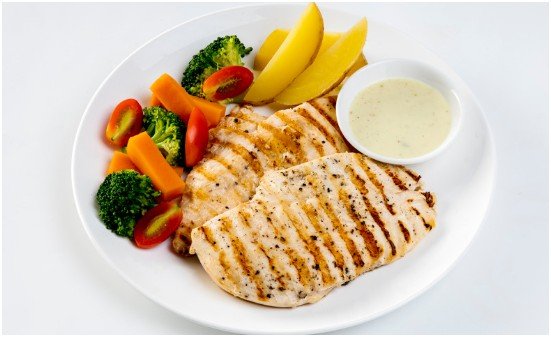
    For example, start with grilled chicken. Add roasted Brussels sprouts and a small baked sweet potato. Finish with olive oil or pumpkin seeds.

    This process works because it prevents the common habit of building an entire meal around bread, pasta, or rice and adding protein as an afterthought.

    Use Foods That Provide Protein and Fiber

    Use Foods That Provide Protein and Fiber

    Some ingredients do double duty. They make how to build a balanced meal with protein and fiber much easier when time or grocery options are limited.

    Lentils provide both plant protein and fiber. Chickpeas, black beans, kidney beans, split peas, edamame, and other legumes offer the same advantage. Nuts, seeds, quinoa, and oats also contribute varying amounts of both nutrients.

    A lentil bowl still benefits from vegetables and healthy fat. Dual-purpose foods simplify the plate, but they do not need to carry the entire meal.

    Try mixing chickpeas into a chicken salad, adding lentils to vegetable soup, or stirring edamame into a brown rice bowl.

    Three Balanced Meal Examples

    A Fast Protein and Fiber Breakfast

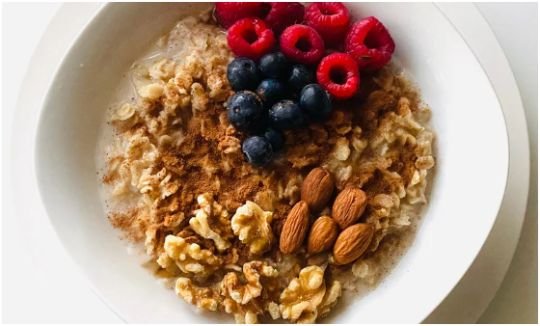
    Layer plain Greek yogurt with berries, oats, chia seeds, and sliced almonds.

    The yogurt acts as the protein anchor. Berries, oats, chia seeds, and almonds add fiber. Choose plain yogurt when you want more control over added sugar.

    For a savory breakfast, pair eggs with whole-grain toast, avocado, and sautéed spinach.

    A Plant-Forward Lunch Bowl

    Start with quinoa and chickpeas. Add cucumbers, grated carrots, spinach, tomatoes, and a spoonful of plain yogurt or tahini.

    This bowl uses chickpeas as a dual-purpose protein and fiber ingredient. Quinoa adds another layer of both, while the vegetables increase volume and variety.

    A Flexible Weeknight Dinner

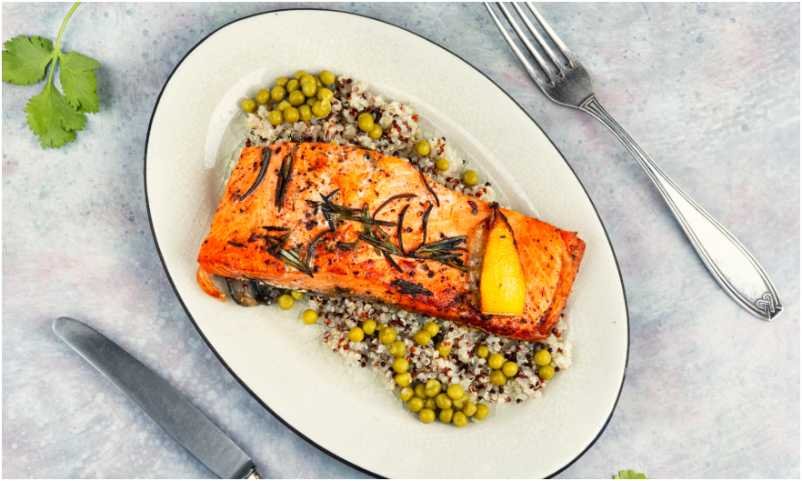
    Pair baked salmon, tofu, chicken, or paneer with roasted broccoli and sweet potato wedges.

    This meal demonstrates how to build a balanced meal with protein and fiber without a detailed recipe. Change the protein, vegetable, seasoning, or grain while keeping the structure intact.

    Check Your Meal With the Five-Minute Audit

    Before eating, I use a quick meal audit. I ask:

    Does the meal contain a clear protein source? Does it contain at least one generous plant food? Is the main carbohydrate rich in fiber? Will the portion keep me comfortable rather than overfull?

    Packaged foods require one extra check. The FDA considers 5% Daily Value or less low and 20% or more high for a listed nutrient. A bread, wrap, cereal, or grain product with a higher fiber percentage can help strengthen the meal.

    This audit is more useful than labeling individual foods as good or bad. It evaluates how the meal works as a whole.

    Common Meal-Building Mistakes

    One mistake is treating a small garnish as the vegetable serving. A few lettuce leaves do not provide the same volume as a substantial salad or cooked vegetable portion.

    Another is assuming every “high-protein” product also contains fiber. Meat, fish, eggs, and many dairy products naturally contain little or no fiber. Pair them with plant foods.

    Do not depend entirely on protein bars and fiber powders. Convenient products can help, but whole foods usually add more texture, variety, vitamins, minerals, and satisfaction.

    Finally, increase fiber gradually if your current intake is low. Sudden large changes may cause digestive discomfort. Adequate fluid intake also matters when eating more fiber.

    Frequently Asked Questions

    1. How can I build a high-protein, high-fiber meal?

    Choose a protein anchor, add a generous vegetable portion, include beans or whole grains, and finish with fruit, nuts, or seeds.

    2. What foods contain both protein and fiber?

    Beans, lentils, chickpeas, split peas, edamame, nuts, seeds, quinoa, and oats provide varying amounts of both nutrients.

    3. How do I build a balanced vegetarian meal?

    Combine tofu, tempeh, eggs, Greek yogurt, paneer, beans, or lentils with vegetables, whole grains, and a healthy fat.

    4. Can breakfast contain enough protein and fiber?

    Yes. Greek yogurt with berries, oats, chia seeds, and nuts is one easy example of how to build a balanced meal with protein and fiber.

    Your Plate Is Ready to Pull Its Weight

    I no longer judge a meal by how colorful or low-calorie it appears. I check whether it has a real protein anchor and meaningful sources of fiber.

    The next time you prepare food, choose the protein first. Add two fiber layers, then finish the plate with flavor and healthy fat. That small routine turns random ingredients into a meal that works harder for you.