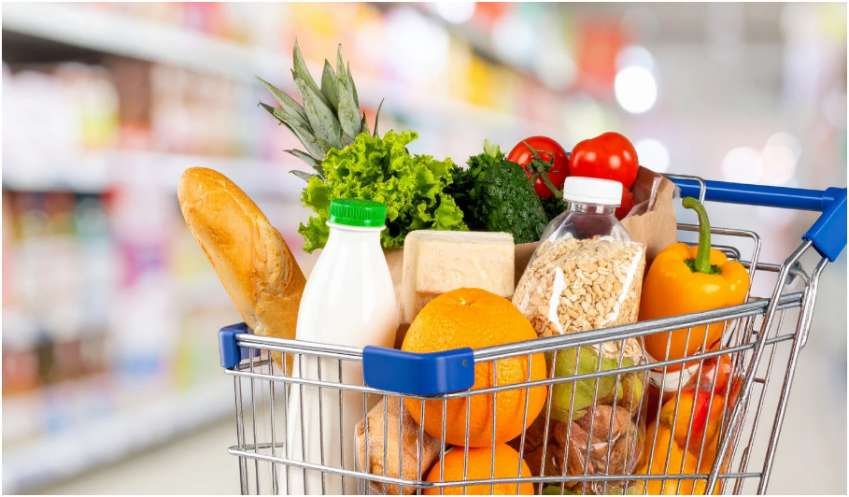
Shopping for one used to leave me with two bad outcomes. I either spent too much or threw away produce before finishing it. My healthy grocery list for one person on a budget changed when I stopped buying isolated ingredients and started choosing foods with several possible uses.
The aim is not to survive on rice and beans every day. It is to create satisfying meals from affordable proteins, durable produce and flexible pantry staples.
Why Grocery Shopping for One Gets Expensive
Solo shoppers cannot always benefit from family-size packages. Small packages may cost more per ounce, while large packages can create waste.
The USDA estimates that 30% to 40% of the US food supply is wasted. Planning meals, checking food already at home and using leftovers can protect a household food budget.
I solve this problem with a simple rule: every perishable item must work in at least three meals. Spinach can enter a smoothie, pasta dish and rice bowl. Greek yogurt can become breakfast, dip and a creamy sauce.
That three-use rule is the main difference between a random shopping trip and a practical healthy grocery list for one person on a budget.
My Healthy Grocery List for One Person on a Budget
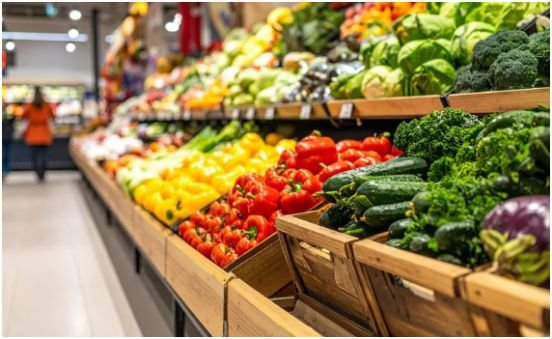
The best list depends on dietary needs, local prices and cooking habits. However, the following foods offer a useful balance of nutrition, versatility and storage life.
Affordable Proteins for One Person
Eggs: Use them for breakfast, fried rice, sandwiches, salads or quick vegetable scrambles.
Canned tuna or salmon: These shelf-stable proteins work in wraps, pasta, grain bowls and salads. Choose lower-sodium varieties when available.
Dried or canned beans: Black beans, chickpeas and kidney beans provide plant protein and fiber. Rinse canned beans to remove some sodium.
Lentils: Lentils cook faster than many dried beans and work in soup, curry, pasta sauce or tacos.
Firm tofu: Tofu absorbs marinades and can be baked, scrambled or added to stir-fries.
Plain Greek yogurt: A large container usually offers more flexibility than flavored single-serving cups. Use it with fruit, in smoothies or as a sour cream substitute.
Chicken thighs: They often remain tender after reheating. Divide a large package into meal-sized portions and freeze the extras immediately.
People who avoid eggs can use tofu, yogurt, beans and nut butter in High-protein breakfast ideas without eggs.
Fresh and Frozen Produce That Lasts
Frozen broccoli: Add it directly to pasta, soup, rice bowls or stir-fries without washing or chopping.
Frozen spinach: Use small amounts in smoothies, eggs, lentils and pasta sauces.
Carrots: They store well and can become snacks, roasted sides, soup ingredients or slaw.
Onions: Onions build flavor in beans, soups, sauces and grain bowls.
Cabbage: A single head can provide several servings and usually lasts longer than delicate salad greens.
Sweet potatoes: Roast, microwave or cube them for bowls, tacos and breakfast hash.
Bananas: Eat them fresh, slice them over oatmeal or freeze ripe pieces for smoothies.
Apples or oranges: Both travel well and tend to last longer than softer fruits.
Seasonal produce: I buy it only when I have a clear plan for using it. A low sale price does not save money when half the food enters the trash.
Frozen vegetables are especially useful for solo households because shoppers can remove one serving and return the rest to the freezer. They also eliminate pressure to finish a large amount within several days.
Whole Grains and Pantry Staples
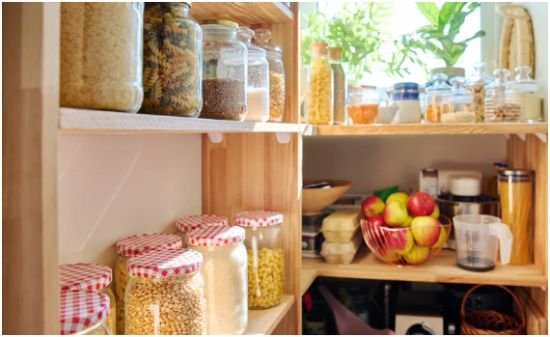
Rolled oats: Oats support breakfasts, homemade granola and simple baked snacks.
Brown rice: Use it beneath stir-fries, beans, roasted vegetables and leftover chicken.
Whole-wheat pasta: It provides an easy base for tuna pasta, vegetable marinara or lentil sauce.
Whole-grain bread: Freeze half the loaf when you get home. Individual slices can go directly into the toaster.
Natural peanut butter: Pair it with oats, toast, apples, bananas or smoothies.
Canned tomatoes: These create a fast base for soup, chili, curry and pasta sauce.
Low-sodium broth: Freeze unused broth in small containers if you cannot finish the package quickly.
Flavor Builders Worth Buying
Budget cooking becomes repetitive when every meal tastes the same. A few concentrated ingredients can change an entire dish.
I keep garlic, soy sauce, mustard, dried herbs, chili powder and one vinegar at home. I do not buy ten specialized sauces at once. I choose seasonings that work across several cuisines and replace them only when empty.
A One-Week Budget Grocery List
A practical healthy grocery list for one person on a budget could contain:
- One dozen eggs or one block of tofu
- One package of chicken thighs
- Two cans of tuna
- One bag of lentils
- One large tub of plain Greek yogurt
- One bag each of frozen broccoli and spinach
- Carrots, onions, cabbage and sweet potatoes
- Bananas and one durable seasonal fruit
- Rolled oats, brown rice and whole-wheat pasta
- Whole-grain bread and peanut butter
- Canned tomatoes and basic seasonings
Prices vary widely by city, store, brand and season. Set a personal spending limit before shopping rather than copying a fixed online budget.
The USDA Thrifty Food Plan shows how nutrient-dense foods can support meals prepared at home under a limited budget. However, it represents a model rather than a guaranteed shopping price for every household.
How I Turn These Groceries Into Meals
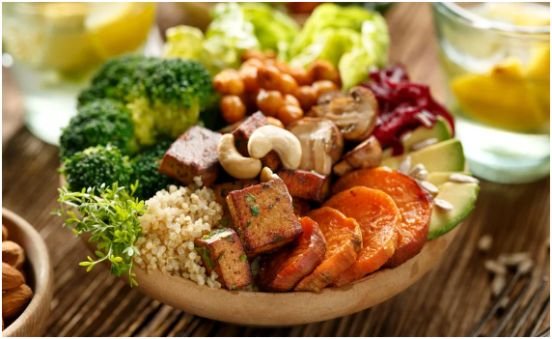
I avoid assigning one unique recipe to every day. Instead, I build meals from four parts: protein, grain, produce and flavor.
Breakfast might be oatmeal with banana and peanut butter. Lunch could be a tuna and cabbage sandwich. Dinner might combine brown rice, broccoli, chicken and soy sauce.
The next day, the same ingredients can produce Greek yogurt with fruit, lentil soup and chicken tacos with cabbage slaw. This approach creates variety without requiring a new set of groceries for each recipe.
USDA SNAP-Ed resources identify meal planning as one of the strongest ways to save money while supporting healthier meals.
Four Rules That Keep My Grocery Bill Down
Follow the Three-Use Rule
Before placing fresh food in my cart, I name three realistic uses for it. If I cannot, I buy a smaller amount, choose frozen or leave it behind.
This rule prevents aspirational shopping. I purchase food for the week I will actually have, not the perfectly organized week I imagine.
Compare Unit Prices
The cheapest package is not always the best value. Compare the price per ounce, pound or count on the shelf label.
A larger container may offer a better unit price, but only when you can finish or freeze it. Waste can erase the apparent saving.
Cook Once and Repurpose Twice
I cook two or three servings of rice, lentils or chicken at once. I then change the vegetables, sauce or format.
Rice can support a grain bowl on Monday and fried rice on Tuesday. Roasted vegetables can become a side dish, omelet filling or pasta addition. The USDA also recommends reusing or freezing leftovers to make more of food purchases.
Freeze Food Before It Becomes Waste
Do not wait until food looks tired. Freeze extra bread, cooked grains, ripe bananas and raw meat while they are still fresh.
The FDA advises keeping refrigerators at 40°F or below and freezers at 0°F. Large portions of leftovers should be divided into shallow containers so they cool more quickly.
Common Solo-Shopping Mistakes
The first mistake is buying too many fresh vegetables because they appear healthier than frozen options. A mix of fresh and frozen produce usually works better for one person.
The second is purchasing pre-cut produce. Peeled, sliced or cubed items can be convenient, but they often cost more and may have a shorter useful life.
The third is ignoring the pantry before shopping. I now take a quick photo of my refrigerator and cupboards. It stops me from buying another bag of rice or forgetting food that needs using.
USDA guidance also recommends organizing the refrigerator and pantry so foods that need attention remain visible.
Finally, avoid buying a product only because it carries a health claim. Check its price, serving size, ingredients and usefulness within your actual meals.
Frequently Asked Questions
1. What should one person buy for a week of healthy meals?
Choose two or three proteins, two grains, several durable vegetables, frozen produce, fruit and a few flexible flavorings.
2. How can I make a healthy grocery list for one person on a budget?
Plan overlapping meals, inspect your pantry, compare unit prices and choose foods that can be frozen or used at least three ways.
3. Are frozen vegetables healthy and budget-friendly?
Yes. Plain frozen vegetables are convenient, reduce spoilage and allow solo shoppers to cook only the amount needed.
4. How do I avoid wasting groceries when living alone?
Buy fewer perishables, freeze extras early, cook manageable portions and plan one weekly meal specifically for using leftovers.
Your Grocery Cart Does Not Need a Glow-Up
I once treated every grocery trip like a chance to reinvent my diet. That habit filled my cart with exciting ingredients but left my refrigerator with unfinished plans.
A reliable healthy grocery list for one person on a budget should look slightly boring on paper. Its strength comes from what those ingredients can become.
Start by choosing three proteins, three durable vegetables, two grains and two fruits. Give every perishable ingredient three jobs before checkout. Your grocery bill and trash can should both become lighter.
Leave a Reply