
Category: Sleep and Recovery

  • How Modern Lifestyles Quietly Damage Sleep Quality Without You Noticing

    How Modern Lifestyles Quietly Damage Sleep Quality Without You Noticing

    I started paying closer attention to my sleep after realizing that getting seven or eight hours in bed didn’t always mean waking up refreshed. Some mornings I felt just as tired as if I had barely slept, even though I thought I was doing everything right.

    The more I observed my daily habits, the more I noticed that the biggest problems weren’t obvious. They were small routines that had slowly become normal, like checking my phone before bed, drinking coffee later than I realized, or sleeping in on weekends. None of them seemed harmful on their own, but together they quietly affected how well I slept.

    Sleep Quality Isn’t Just About Hours

    Many people focus on how long they sleep, but sleep quality often matters just as much. Deep sleep and REM sleep are the stages where the body repairs muscles, processes memories, supports metabolic health, and prepares the brain for the next day.

    When everyday habits interrupt those stages, you may still log enough hours in bed while waking up feeling sluggish, unfocused, or dependent on caffeine. Modern lifestyles are full of subtle distractions that interfere with your body’s natural sleep cycle without making it obvious.

    Blue Light Keeps Your Brain Awake

    Smartphones, tablets, laptops, televisions, and even bright LED lighting have become part of nearly every evening. While they’re convenient, they also expose your eyes to blue light when your brain should be preparing for sleep.

    Blue light suppresses melatonin, the hormone responsible for signaling that it’s time to rest. Instead of winding down naturally, your brain continues acting as though it’s still daytime.

    This doesn’t always mean you’ll struggle to fall asleep immediately. Instead, your sleep cycle may shift later, reducing the amount of restorative sleep your body gets throughout the night.

    Replacing late-night scrolling with reading a book, gentle stretching, or simply dimming the lights can help your body transition into sleep more naturally.

    That Afternoon Coffee May Still Be Working

    That Afternoon Coffee May Still Be Working

    Many people avoid coffee after dinner but don’t think twice about grabbing another cup late in the afternoon.

    Caffeine has a surprisingly long half-life, often remaining in your system for five to seven hours. Even eight hours later, enough caffeine may still be circulating to interfere with the brain chemicals that help you fall asleep.

    Energy drinks, certain teas, sodas, and chocolate can contribute as well. If you regularly struggle to fall asleep despite feeling tired, moving your last caffeinated drink earlier in the day is one of the simplest changes worth trying.

    A Warm Bedroom Can Quietly Reduce Deep Sleep

    Comfort doesn’t always mean warmth.

    Your body naturally lowers its core temperature before sleep. If your bedroom is overly warm because of central heating, poor airflow, or heavy synthetic bedding, your body has to work harder to cool itself.

    That extra effort may keep your heart rate elevated and reduce the amount of deep sleep you experience.

    A cooler bedroom, breathable bedding, and fresh airflow often make a noticeable difference without requiring expensive sleep products. Even small environmental adjustments can improve how rested you feel the next morning.

    Alcohol Doesn’t Improve Sleep the Way It Seems To

    A glass of wine or another alcoholic drink may make you feel sleepy faster, which is why many people believe it helps them sleep better.

    The reality is different.

    Alcohol tends to fragment the second half of the night by disrupting REM sleep, one of the most important stages for memory, emotional regulation, and mental recovery. Heavy meals close to bedtime can have a similar effect by forcing your digestive system to remain active while your body is trying to rest.

    Finishing dinner a few hours before bed and limiting alcohol near bedtime often leads to more refreshing sleep over time.

    Weekend Sleep-Ins Can Reset Your Progress
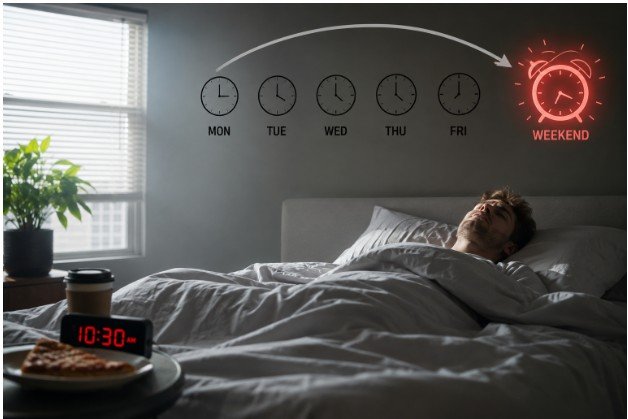
    Weekend Sleep-Ins Can Reset Your Progress

    Sleeping late on weekends feels like catching up after a busy week, but it often creates what’s known as social jet lag.

    When your bedtime and wake-up time shift by several hours every weekend, your circadian rhythm has to readjust every Monday. That constant reset makes it harder to fall asleep at your usual bedtime and can leave you feeling tired for the first few days of the week.

    Maintaining a similar schedule throughout the week doesn’t mean giving up flexibility. Even keeping your wake-up time within an hour of your weekday routine helps your biological clock stay more consistent.

    If you’re already working on a sleep consistency challenge, limiting large weekend schedule changes is one of the most effective ways to build lasting progress.

    Small Changes Create Better Nights

    Improving sleep quality rarely comes from one dramatic fix. Instead, it usually comes from stacking simple habits that support your body’s natural rhythm.

    Consider starting with these practical adjustments:

    • Put screens away 30 to 60 minutes before bedtime.
    • Keep your bedroom cool, dark, and quiet.
    • Finish caffeine by early afternoon.
    • Avoid heavy meals and alcohol close to bedtime.
    • Wake up at roughly the same time every day.

    None of these habits are difficult on their own. Together, they create an environment where your brain and body know exactly when it’s time to sleep.

    FAQs: How Modern Lifestyles Quietly Damage Sleep Quality Without You Noticing

    Can I sleep eight hours and still have poor sleep quality?

    Yes. Frequent interruptions, reduced deep sleep, or limited REM sleep can leave you feeling tired even after spending enough time in bed.

    Does blue light really make that much difference?

    For many people, yes. Evening blue light delays melatonin production, making it harder for your body to prepare for sleep naturally.

    Is sleeping late on weekends unhealthy?

    Occasionally isn’t a problem, but regularly shifting your sleep schedule by several hours can disrupt your circadian rhythm and create social jet lag.

    What’s the easiest habit to improve sleep quality?

    Keeping a consistent wake-up time is one of the most effective starting points because it helps regulate your body’s internal clock and supports healthier sleep patterns.

    Why Your Everyday Habits Matter More Than You Think

    Sleep quality is shaped long before your head touches the pillow. The choices you make throughout the day, from when you drink coffee to how often you check your phone at night, gradually teach your body what to expect. Small adjustments may not feel dramatic at first, but over time they create a healthier rhythm that supports deeper sleep, steadier energy, and better recovery.

    The best sleep routine isn’t built through perfection. It’s built through consistent habits that quietly work in your favor every single day.


  • Sleep Consistency Challenge: The Simple Routine Your Body Will Thank You For

    Sleep Consistency Challenge: The Simple Routine Your Body Will Thank You For

    I used to think sleeping longer was the answer whenever I felt drained. Then I started noticing that even after getting eight hours, I still woke up feeling sluggish if my bedtime changed every night. It wasn’t the amount of sleep that kept throwing me off. It was the lack of consistency.

    I also found that trying to create the perfect nighttime routine usually lasted a few days before life got in the way. Once I shifted my attention to showing up at roughly the same time every day instead of chasing perfection, better sleep started feeling much more achievable.

    What Is a Sleep Consistency Challenge?

    What Is a Sleep Consistency Challenge

    A sleep consistency challenge is a simple commitment to go to bed and wake up at nearly the same time every day, including weekends. Rather than focusing only on the number of hours you sleep, the goal is to help your body’s internal clock know exactly when it’s time to rest and when it’s time to be alert.

    Many people underestimate how much their schedule changes throughout the week. Staying up late on Friday, sleeping in on Saturday, and then trying to wake up early on Monday creates a cycle that feels similar to changing time zones every weekend. This pattern, often called social jet lag, can leave you feeling tired even if you technically spent enough time in bed.

    The challenge works because it replaces dramatic lifestyle changes with small, repeatable habits that gradually become automatic.

    Why Sleeping at the Same Time Makes Such a Difference

    Your body depends on cues like sunlight, darkness, temperature, and routine to regulate your circadian rhythm. When those signals stay consistent, your brain begins preparing for sleep before your head even reaches the pillow.

    A regular sleep schedule supports natural melatonin production, making it easier to fall asleep without relying on endless scrolling or extra caffeine the next morning. Over time, many people also notice fewer energy crashes, better concentration, and a smoother morning routine.

    Consistency also improves how your body moves through deep sleep and REM sleep. These stages play an important role in memory, learning, physical recovery, and emotional regulation. Missing them repeatedly can leave you feeling mentally exhausted even after what looked like a full night’s sleep.

    Your 14-Day Sleep Consistency Challenge

    Your 14-Day Sleep Consistency Challenge

    The best challenges don’t require perfection. They simply ask you to repeat a few meaningful habits every day.

    Days 1 to 5: Create Your Sleep Anchor

    Choose one wake-up time and stick with it every day. Even on weekends, avoid sleeping in more than 30 to 60 minutes.

    As soon as you wake up, spend about 20 minutes outside or near natural sunlight. Morning light tells your brain that the day has started and begins the countdown toward nighttime sleep.

    If your current bedtime is much later than your goal, don’t change it all at once. Move it earlier by only 15 to 30 minutes during the week so your body has time to adjust naturally.

    Days 6 to 10: Build a Wind-Down Routine

    About an hour before bed, reduce activities that keep your brain stimulated.

    Turn off bright screens, dim overhead lights, and choose one calming activity you genuinely enjoy. Reading a printed book, stretching, listening to relaxing music, or practicing slow breathing all help create a predictable signal that bedtime is approaching.

    Repeating the same sequence every evening is often more effective than constantly searching for new sleep hacks.

    Days 11 to 14: Support Your Routine During the Day

    Good sleep begins long before bedtime.

    Keep caffeine to the first half of the day, ideally finishing coffee or energy drinks by around 2:00 PM. Try to eat heavier meals a few hours before bed instead of right before sleeping.

    Physical activity also helps regulate your body clock. Even a short walk during the afternoon can make it easier to fall asleep later that night.

    By the end of the second week, many people begin noticing that their bedtime feels more natural instead of forced.

    The Simple Daily Checklist

    The Simple Daily Checklist

    Following the same routine each day removes guesswork and helps your body recognize familiar patterns.

    • Morning: Get around 20 minutes of natural sunlight soon after waking.
    • Afternoon: Avoid caffeine after 2:00 PM, so stimulants have time to leave your system.
    • One hour before bed: Turn off bright screens and reduce blue light exposure.
    • Thirty minutes before bed: Dim the lights and spend time reading, stretching, or relaxing instead of working.

    These habits may seem small on their own, but together they create powerful signals that reinforce a healthy sleep schedule.

    Mistakes That Can Break Your Momentum

    One late night doesn’t ruin your progress, but several inconsistent nights in a row can make it harder for your body to maintain a rhythm.

    Common setbacks include staying up much later on weekends, drinking caffeine late in the afternoon, using your phone in bed, or trying to “catch up” by sleeping until noon.

    Instead of giving up after one bad night, return to your normal wake-up time the next morning. That simple decision helps your internal clock recover much faster than sleeping in for several extra hours.

    Many people also discover that improving sleep naturally complements practical ways to recover from mental fatigue, since quality rest gives the brain time to recover instead of constantly operating under stress.

    Signs the Challenge Is Working

    Signs the Challenge Is Working

    Success isn’t measured only by the number of hours you sleep.

    You may begin falling asleep faster, waking up before your alarm, or feeling more alert during the morning. Afternoon energy often becomes steadier, and relying on multiple cups of coffee may become less necessary.

    Another positive sign is consistency itself. When bedtime starts feeling natural rather than something you have to force, your body has begun adapting to the routine you’ve created.

    FAQs: Sleep Consistency Challenge: The Simple Routine Your Body Will Thank You For

    How long does a sleep consistency challenge take to show results?

    Many people notice small improvements within one to two weeks, while stronger long-term benefits develop with continued consistency.

    Can I sleep in on weekends?

    It’s best to keep your wake-up time close to your weekday schedule. Sleeping in more than an hour can disrupt your body’s internal clock.

    What if I can’t fall asleep at my planned bedtime?

    Don’t force it. Continue following your wind-down routine and maintain your regular wake-up time so your body gradually adjusts.

    Is sleep consistency more important than sleeping longer?

    Both matter, but maintaining a regular schedule helps your body use sleep more efficiently and supports better long-term health.

    Why Your Best Nights Start Long Before Bed

    A better night’s sleep rarely begins the moment you turn off the lights. It starts with the choices you make throughout the day, from getting outside in the morning to limiting caffeine in the afternoon and giving yourself time to unwind at night. The sleep consistency challenge works because it replaces unrealistic expectations with habits that are easy to repeat and easier to maintain.

    When your schedule becomes predictable, your body spends less time trying to catch up and more time giving you the deep, refreshing sleep you’ve been looking for.

  • Practical Ways to Recover From Mental Fatigue and Regain Your Focus

    Practical Ways to Recover From Mental Fatigue and Regain Your Focus

    I started noticing mental fatigue long before I realized what it actually was. It wasn’t the kind of exhaustion that made me want to sleep. Instead, it felt like my brain had slowed down. Simple decisions took longer, concentrating became harder, and even tasks I normally enjoyed started feeling like work.

    What surprised me most was that taking a few minutes to scroll on my phone never made me feel refreshed. If anything, it added to the mental clutter. Once I replaced those habits with small, intentional changes throughout the day, I found it much easier to regain focus without feeling like I needed an entire weekend to recover.

    What Mental Fatigue Really Feels Like

    What Mental Fatigue Really Feels Like

    Mental fatigue develops when your brain spends long periods processing information without enough recovery time. It often shows up as brain fog, poor concentration, forgetfulness, low motivation, or feeling mentally drained despite getting through the day.

    Unlike physical tiredness, mental fatigue doesn’t always improve by simply sitting still. Constant notifications, switching between tasks, long meetings, and hours of screen time continue adding to your cognitive load until your attention starts breaking down.

    Many people mistake this feeling for laziness, but it’s often a sign that the brain needs meaningful recovery instead of more stimulation.

    Why Pushing Through Usually Makes Things Worse

    When deadlines pile up, it’s tempting to keep working until everything is finished. Unfortunately, that’s often when productivity starts dropping.

    The brain has limits. As mental energy decreases, mistakes become more common, decision-making slows, and creative thinking becomes harder. Continuing to push through usually means spending more time fixing errors than making progress.

    Recovery isn’t wasted time. It’s part of maintaining consistent performance.

    Think about the days when every email feels harder to answer, or every small choice suddenly feels exhausting. That’s often decision fatigue taking over. Giving your brain opportunities to reset throughout the day prevents that exhaustion from building into something much bigger.

    Practical Ways to Recover Throughout the Day

    Practical Ways to Recover Throughout the Day

    The best recovery habits don’t require changing your entire schedule. Small adjustments repeated consistently often make the biggest difference.

    Give Your Brain Genuine Breaks

    Many breaks aren’t actually breaks.

    Checking social media, answering personal messages, or watching short videos still requires your brain to process new information. Instead, spend a few minutes away from digital devices altogether.

    Walk outside, stretch, look out a window, or simply sit quietly without reaching for your phone. Even ten minutes of true cognitive rest can reduce mental overload and improve concentration when you return to work.

    Move Instead of Sitting Longer

    Physical movement increases blood flow throughout the body, including the brain.

    You don’t need an intense workout to feel the benefits. A fifteen-minute walk, gentle stretching, or climbing a few flights of stairs can help refresh your attention and reduce the sluggish feeling that often develops after hours at a desk.

    Movement also provides a natural mental reset by shifting your attention away from whatever has been demanding your focus.

    Reduce Cognitive Overload Before It Builds Up

    Reduce Cognitive Overload Before It Builds Up

    Mental fatigue often comes from doing too many things at once.

    Multitasking may feel productive, but constantly switching between tasks forces your brain to repeatedly adjust its focus. Over time, this increases cognitive strain and leaves you feeling mentally exhausted.

    Instead, choose one priority, finish it, and then move to the next task. Single-tasking reduces distractions while helping you complete work more efficiently.

    Digital boundaries matter just as much.

    Turning off unnecessary notifications, closing unused browser tabs, and limiting social media during work hours all reduce interruptions that quietly drain mental energy throughout the day.

    Sleep Is Still the Foundation of Recovery

    No recovery strategy works well if quality sleep is missing.

    During sleep, the brain processes information, strengthens memories, and clears metabolic waste that builds up during waking hours. Regularly getting seven to nine hours of quality sleep supports attention, learning, emotional regulation, and overall cognitive performance.

    If your sleep schedule constantly changes, improving it can make an even bigger difference than adding another productivity technique. Learning how to build a sleep routine that actually works creates a stronger foundation for recovering from mental fatigue because your brain has consistent opportunities to restore itself each night.

    Small improvements often produce better long-term results than trying to redesign your bedtime routine overnight completely.

    Daily Habits That Keep Mental Fatigue From Returning

    Daily Habits That Keep Mental Fatigue From Returning

    Recovery doesn’t only happen after you’re exhausted. The healthiest routines include small habits that prevent cognitive overload before it becomes overwhelming.

    Some practical habits include:

    • Step away from screens during breaks instead of switching to different apps.
    • Stay hydrated throughout the day.
    • Eat balanced meals that support steady energy levels.
    • Schedule demanding work during the hours when you naturally feel most alert.
    • Build short movement breaks into long periods of focused work.
    • Permit yourself to pause before your attention completely disappears.

    These habits don’t eliminate stressful days, but they make recovery much easier when life becomes busy.

    Signs Your Brain Is Recovering

    Mental recovery isn’t always dramatic.

    You may notice that concentrating becomes easier, conversations require less effort, or you’re able to solve problems without feeling overwhelmed. Many people also experience fewer afternoon energy crashes and less frustration when handling everyday responsibilities.

    Recovery also improves consistency. Instead of relying on occasional bursts of motivation, your brain becomes better prepared to stay focused throughout the day.

    If symptoms continue for several weeks despite improving sleep, reducing stress, and building healthier routines, it may be worth speaking with a healthcare professional to rule out underlying medical or mental health concerns.

    FAQs: Practical Ways to Recover From Mental Fatigue and Regain Your Focus

    How can I recover from mental fatigue quickly?

    Short breaks away from screens, light physical activity, hydration, and deep breathing can help reduce mental overload. Consistent recovery habits provide the best long-term results.

    Does multitasking increase mental fatigue?

    Yes. Frequently switching between tasks increases cognitive load, making it harder to concentrate and leading to faster mental exhaustion.

    Can poor sleep cause mental fatigue?

    Absolutely. Inconsistent or insufficient sleep affects attention, memory, decision-making, and emotional regulation, making mental fatigue much more likely.

    When should I seek professional help?

    If mental fatigue continues for several weeks, interferes with daily life, or doesn’t improve after making healthy lifestyle changes, consult a qualified healthcare professional.

    Why Protecting Your Mental Energy Matters Every Day

    Mental fatigue doesn’t appear overnight, and meaningful recovery doesn’t come from one perfect habit. It’s built through small choices that give your brain room to rest, recover, and perform at its best. Protecting your attention throughout the day is often more effective than trying to recover from complete exhaustion later.

    When recovery becomes part of your daily routine, focus feels more natural, decisions become easier, and your mind has the energy to handle whatever comes next.

  • How to Build a Sleep Routine That Actually Works With Small Daily Changes

    How to Build a Sleep Routine That Actually Works With Small Daily Changes

    I started paying more attention to my sleep after noticing that no amount of coffee could make up for a restless night. What surprised me wasn’t that I needed more sleep. It was that my sleep schedule kept changing, and those constant shifts left me feeling tired even after spending enough hours in bed.

    I also realized that every time I tried to completely overhaul my bedtime routine, it lasted only a few days. The biggest improvements came when I focused on one small habit at a time instead of trying to build the perfect routine overnight. That approach made healthy sleep feel realistic instead of overwhelming.

    Why Most Sleep Routines Don’t Last

    Many people assume they need a strict schedule, expensive sleep products, or a complete lifestyle reset to improve their sleep. In reality, the biggest obstacle is trying to change everything at once.

    Your body relies on a natural internal clock called the circadian rhythm. When bedtime, wake time, meals, and screen habits constantly change, that clock struggles to stay in sync. The result can be trouble falling asleep, waking during the night, or feeling groggy in the morning.

    A sleep routine should support your daily life, not compete with it. Small adjustments are easier to repeat, and repetition is what helps healthy habits stick.

    Start With One Consistent Wake-Up Time

    If there’s one habit worth prioritizing, it’s waking up at the same time every day. A consistent wake-up time helps regulate your biological clock and naturally encourages your body to feel sleepy at night.

    Instead of forcing yourself to go to bed much earlier on day one, shift your bedtime by only 10 to 15 minutes every few days. That gradual approach gives your body time to adjust without feeling like you’re fighting exhaustion.

    Morning light also plays a major role. Spending 10 to 15 minutes outside shortly after waking signals your brain that the day has begun. This simple habit supports melatonin production later in the evening and improves sleep consistency over time.

    Many people notice better results from these small adjustments than from making dramatic changes all at once.

    Build an Evening Routine Your Brain Can Recognize

    Build an Evening Routine Your Brain Can Recognize

    Your brain responds well to predictable cues. Repeating the same calming activities before bed creates a mental signal that it’s time to wind down.

    Start about 45 minutes before bedtime. Set an alarm as a reminder to begin slowing down instead of waiting until you’re already exhausted.

    Some calming activities include:

    • Reading a physical book
    • Gentle stretching
    • Deep breathing exercises
    • Listening to quiet music
    • Journaling for a few minutes

    These habits don’t need to be complicated. The goal is consistency rather than perfection.

    Bright screens are another common obstacle. Phones, tablets, and laptops expose your eyes to blue light that can delay your body’s natural release of melatonin. Reducing screen time before bed supports better sleep quality without requiring major lifestyle changes.

    Create a Bedroom That Supports Better Sleep

    Your bedroom should make falling asleep easier, not harder.

    A cooler room often promotes deeper sleep, and many sleep experts recommend keeping the temperature around 65°F. Comfortable bedding, minimal noise, and darker surroundings also contribute to a more restful environment.

    If outside noise is unavoidable, a fan or white noise machine can help create a more consistent sleep setting. Even small adjustments like blackout curtains or dim bedside lamps can make a noticeable difference over time.

    The more your bedroom becomes associated with relaxation, the easier it becomes for your brain to transition into sleep.

    Small Daytime Habits Matter More Than You Think

    Small Daytime Habits Matter More Than You Think

    Healthy sleep doesn’t begin at bedtime. The choices you make throughout the day directly affect how easily you fall asleep later.

    Consider these simple habits:

    • Stop drinking coffee or caffeinated soda after noon.
    • Finish large meals two to three hours before bedtime.
    • Stay physically active during the day.
    • Keep naps short if you need one.
    • Spend time outdoors whenever possible.

    These routines help regulate energy levels while supporting your body’s natural sleep cycle.

    They also fit naturally alongside balancing work and recovery, because quality rest allows your body and mind to recover from the demands of a busy schedule instead of constantly trying to catch up.

    A Three-Week Approach That Feels Manageable

    Building a lasting sleep routine doesn’t have to happen all at once.

    During the first week, focus only on waking up at the same time every day. Step outside for morning sunlight and gradually move bedtime earlier by 15 minutes every few days until you reach your target schedule.

    In the second week, introduce a consistent wind-down routine. Set a reminder about 45 minutes before bed, dim the lights, and choose one relaxing activity that you genuinely enjoy.

    By the third week, pay closer attention to your environment and eating habits. Keep your bedroom comfortably cool, avoid caffeine later in the day, and finish heavy meals several hours before bedtime.

    This gradual approach reduces frustration because you’re building habits instead of relying on motivation alone.

    How to Know Your Routine Is Working

    How to Know Your Routine Is Working

    Progress isn’t measured by falling asleep perfectly every night.

    Instead, look for gradual improvements. You may start falling asleep faster, waking less often, or feeling more alert during the day. Many people also notice fewer afternoon energy crashes and less dependence on caffeine.

    Missing a day doesn’t erase your progress either. The most successful routines aren’t perfect. They’re simply consistent enough that getting back on track feels easy.

    FAQs: How to Build a Sleep Routine That Actually Works With Small Daily Changes

    How long does it take to build a consistent sleep routine?

    Many people notice improvements within one to three weeks. Long-term consistency matters more than making rapid changes.

    Should I go to bed earlier if I’m tired?

    Not always. Keeping a regular wake-up time usually has a greater impact on regulating your sleep schedule than suddenly changing your bedtime.

    Does using my phone before bed really affect sleep?

    Yes. Blue light from screens can delay melatonin production, making it harder for your body to recognize that it’s time to sleep.

    What if I miss my routine for one night?

    Don’t start over. Return to your normal schedule the next day. Consistency over weeks matters much more than one imperfect night.

    Why Consistency Becomes the Habit That Changes Everything

    The most effective sleep routine isn’t the one that looks perfect on paper. It’s the one you can realistically maintain through busy workweeks, weekends, travel, and unexpected schedule changes. Small daily habits build momentum, and over time they help your body expect sleep instead of chasing it.

    When better sleep becomes part of everyday life, more energy, sharper focus, and improved recovery naturally follow.

  • How Balancing Work and Recovery Helps You Stay Productive Longer

    How Balancing Work and Recovery Helps You Stay Productive Longer

    There was a time when I thought the answer to getting more done was simply working longer. I would stay at my desk, push through tiredness, and tell myself I could rest once everything was finished. The strange part was that the longer I worked, the slower I became. Simple tasks took more effort, small mistakes started showing up, and by the end of the day, I felt busy but not necessarily productive.

    It took me a while to realize that recovery wasn’t something I had to earn after a hard week. It was something I needed every single day. Once I started giving my mind and body regular opportunities to recover, my focus improved, my energy lasted longer, and work no longer felt like an endless cycle of catching up.

    That shift is why balancing work and recovery has become one of the most valuable habits for anyone who wants to perform well without feeling drained.

    Productivity Doesn’t Come From Working More

    Many people associate productivity with putting in extra hours, but that approach rarely works for long. The brain and body aren’t designed to stay switched on all day without a break. After long periods of concentration, mental fatigue begins to build, making it harder to think clearly, solve problems, and make decisions.

    Recovery gives your mind the chance to reset. Instead of pushing through exhaustion, taking time to recharge helps you return with better focus and a clearer perspective. That’s why many high-performing professionals now pay just as much attention to recovery as they do to planning their workload.

    Recovery Is More Than Simply Taking Time Off

    Taking a vacation can help, but true recovery happens through the habits you practice every day. It’s the difference between escaping stress for a few days and building routines that stop stress from piling up in the first place.

    Recovery includes physical rest, mental breaks, emotional balance, and healthy boundaries. Each one supports your ability to stay productive without reaching the point where burnout becomes difficult to reverse.

    If you’re learning how to build healthier routines, our article on recovery without burnout explains how small daily changes can make a lasting difference.

    Physical Recovery Helps You Maintain Energy

    Physical Recovery Helps You Maintain Energy

    Your body works hard even during a desk job. Sitting for long periods, staring at screens, and dealing with constant deadlines all place stress on your muscles and nervous system.

    Simple habits like getting enough sleep, stretching during the day, taking short walks, or exercising regularly help restore energy and reduce physical fatigue. Sleep, in particular, plays a critical role because it’s when the body repairs tissues, strengthens the immune system, and supports brain function.

    Skipping recovery today often means carrying that fatigue into tomorrow.

    Mental Recovery Sharpens Focus

    Concentration isn’t unlimited. After spending hours solving problems or switching between meetings, your brain naturally becomes less efficient.

    Short breaks help restore attention before mental exhaustion takes over. Stepping away from your desk for five minutes, looking outside, or walking around the office gives your brain a chance to recover.

    These pauses may seem small, but they often improve the quality of your work more than trying to power through another hour without stopping.

    Emotional Recovery Matters Too

    Work isn’t physically demanding every day, but it can be emotionally demanding. Tight deadlines, constant notifications, and difficult conversations gradually increase stress levels.

    Emotional recovery comes from creating space between work and personal life. That might mean turning off work notifications after business hours, spending time with family, reading a book, or enjoying hobbies that have nothing to do with your career.

    Those moments remind your brain that every hour doesn’t need to be spent solving problems.

    Small Breaks Can Be More Powerful Than Long Vacations

    Small Breaks Can Be More Powerful Than Long Vacations

    Many people wait until they’re completely exhausted before taking time off. While vacations are valuable, relying on them alone isn’t enough.

    Recovery works best when it becomes part of your daily schedule. A short walk after lunch, standing up between meetings, drinking water away from your computer, or spending a few quiet minutes away from your phone all help reduce cognitive fatigue before it grows into something bigger.

    These consistent habits are often more effective than trying to recover from months of accumulated stress during a single week away from work.

    Build Recovery Into Your Daily Routine

    Finding balance doesn’t require changing your entire lifestyle. It starts with protecting small moments throughout the day that allow your mind and body to recover.

    A few practical habits include:

    • Setting a clear time to stop checking work emails.
    • Taking short movement breaks every hour.
    • Following a consistent sleep schedule.
    • Exercising several times a week.
    • Creating screen-free time before bed.

    None of these habits take much time, but together they help support better energy management, stronger focus, and healthier work habits.

    Sustainable Success Depends on Consistency

    Sustainable Success Depends on Consistency

    People often think recovery slows them down, but the opposite is usually true. When your energy stays consistent, your work becomes more focused, decisions become easier, and stressful days feel more manageable.

    Balancing work and recovery isn’t about doing less. It’s about creating a routine that allows you to keep performing well week after week without sacrificing your health along the way.

    FAQs: How Balancing Work and Recovery Helps You Stay Productive Longer

    Why is recovery important for productivity?
    Recovery restores mental and physical energy, helping you stay focused, think clearly, and perform consistently instead of working through constant fatigue.

    How often should I take breaks during work?
    Many experts recommend taking a short break every hour. Even five minutes away from your desk can refresh your attention and reduce mental strain.

    Can better sleep improve work performance?
    Yes. Quality sleep supports memory, decision-making, concentration, and physical recovery, making it easier to stay productive throughout the day.

    What’s the easiest way to start balancing work and recovery?
    Start with one simple habit, such as setting a fixed time to stop working each evening or taking a short walk during lunch. Small changes are easier to maintain and often create lasting improvements.

    The Best Workdays Don’t Feel Exhausting

    Looking back, I’ve realized that the most productive days aren’t the ones where every minute is filled with work. They’re the days when there’s enough space to think clearly, step away when needed, and return with renewed energy. Recovery isn’t a reward for working hard. It’s one of the reasons you’re able to keep doing meaningful work in the first place.

    When recovery becomes part of your routine instead of an afterthought, productivity has a much better chance of lasting.

  • Recovery Without Burnout Can Change the Way You Recharge

    Recovery Without Burnout Can Change the Way You Recharge

    For a long time, I thought recovery meant taking a vacation or sleeping in on the weekend after pushing myself too hard. It felt like something I had to earn after weeks of nonstop work. The problem was that by the time I finally slowed down, I was already exhausted, and a day or two of rest never seemed to fix it.

    Over time, I noticed something different. The people who stayed energized weren’t necessarily working less. They were recovering more often. They stepped away from their desks, protected their evenings, and didn’t feel guilty about slowing down for a few minutes. That changed how I looked at recovery, and it’s one of the biggest reasons people are rethinking their routines today.

    Why Recovery Should Happen Before You Feel Exhausted

    Why Recovery Should Happen Before You Feel Exhausted

    Burnout rarely appears overnight. It builds quietly through skipped breaks, poor sleep, constant notifications, and the feeling that there’s always one more thing to finish. By the time your body starts sending clear signals, you’ve often been running on empty for weeks.

    That’s why recovery without burnout has become a healthier approach. Instead of waiting until you’re physically and mentally drained, you create small moments throughout the day that help your mind and body reset. Recovery becomes part of your routine rather than an emergency solution.

    Recovery Is More Than Just Rest

    Many people use the words “rest” and “recovery” interchangeably, but they aren’t exactly the same.

    Rest is taking a break from activity. Recovery is helping your body and mind return to a balanced state, so you’re ready for what’s next. You can spend an entire afternoon on the couch and still feel mentally exhausted if your brain never disconnects from work.

    Real recovery supports your nervous system, improves mental clarity, and helps you maintain steady energy instead of constantly chasing it.

    Small Breaks Make a Bigger Difference Than You Think

    Small Breaks Make a Bigger Difference Than You Think

    One of the easiest habits to build is taking short recovery breaks before stress becomes overwhelming.

    You don’t need an hour away from work. A five-minute walk, gentle stretching, slow breathing, or stepping outside for fresh air can interrupt the cycle of constant mental effort. These moments allow your attention to recover instead of becoming increasingly scattered throughout the day.

    Many people notice they return to their tasks with better focus after a short pause than after forcing themselves to work through fatigue.

    Stop Treating Recovery Like a Reward

    One of the biggest reasons people struggle with burnout is believing they have to finish everything before they deserve to rest.

    That mindset creates an endless cycle because the work never truly ends. Emails keep arriving, deadlines change, and new responsibilities appear. Waiting until everything is complete usually means recovery never happens.

    Giving yourself permission to pause isn’t laziness. It’s one of the healthiest ways to protect your long-term energy and maintain sustainable productivity.

    Sleep Is Still Your Strongest Recovery Tool

    Sleep Is Still Your Strongest Recovery Tool

    No recovery routine works well without quality sleep.

    While sleeping, your body repairs tissue, supports memory, balances hormones, and prepares your brain for another day. Missing even small amounts of quality sleep over time can reduce concentration, increase stress, and make everyday tasks feel more difficult.

    If you’re already working on optimizing your sleep schedule, you’ll probably notice that other recovery habits become easier to maintain because your body starts each day from a better place.

    Instead of focusing only on sleep duration, pay attention to consistency. Going to bed and waking up at similar times often matters just as much.

    Protect Your Energy, Not Just Your Time

    Time management has always been popular, but energy management deserves just as much attention.

    Some activities leave you feeling motivated, while others drain you even if they only take a few minutes. Learning to recognize those patterns makes it easier to protect your mental energy.

    Simple habits can make a noticeable difference:

    • Say no to commitments that don’t align with your priorities.
    • Reduce unnecessary screen time during the evening.
    • Schedule demanding work when your energy is naturally highest.
    • Make room for hobbies and conversations that help you feel recharged.

    These choices don’t eliminate stress, but they stop it from building without limits.

    Recovery Looks Different for Everyone

    Recovery Looks Different for Everyone

    There isn’t one perfect recovery routine because everyone’s life is different.

    Someone with a physically demanding job may benefit from gentle mobility exercises and extra sleep. A person working at a computer all day might recover better by spending time outdoors or moving more frequently. Parents, students, athletes, and creators all experience different kinds of fatigue.

    The goal isn’t copying someone else’s routine. It’s finding habits that leave you feeling calmer, clearer, and ready for tomorrow instead of simply making it through today.

    Consistency Beats Occasional Escape

    Many people believe a long vacation will completely erase months of stress. While time away certainly helps, lasting recovery usually comes from the habits you repeat every day.

    Short walks, healthy boundaries, quality sleep, meaningful conversations, and regular moments of quiet may seem small on their own. Together, they create a lifestyle that makes burnout far less likely.

    Recovery without burnout isn’t about avoiding hard work. It’s about making sure your body and mind have enough opportunities to recover before exhaustion becomes the only reason you slow down.

    FAQs: Recovery Without Burnout Can Change the Way You Recharge

    1. What does recovery without burnout mean?
    It means building recovery into everyday life instead of waiting until you’re emotionally or physically exhausted. Small, consistent habits help maintain energy before burnout develops.

    2. Can short breaks really improve recovery?
    Yes. Brief walks, stretching, or mindful breathing reduce mental fatigue and improve focus, making it easier to stay productive without feeling constantly drained.

    3. Is sleep the most important recovery habit?
    Sleep is one of the most effective recovery tools because it supports brain function, physical repair, and emotional balance. Consistent sleep often improves the benefits of other healthy habits.

    4. How can I make recovery part of my routine?
    Start with simple habits like protecting your evenings, limiting unnecessary commitments, taking regular breaks, and creating time for activities that genuinely help you recharge.

    The Best Recovery Habits Are the Ones You Keep

    The healthiest routines rarely look dramatic. They don’t require expensive retreats or perfectly planned schedules. Instead, they’re built through small decisions that protect your energy before stress takes over. Choosing to pause, sleep well, move your body, and set healthier boundaries may not feel impressive in the moment, but those habits quietly shape how you feel week after week.

    Recovery isn’t something you earn after burning out. It’s something you practice so burnout doesn’t become your normal.

  • How Sleep Optimization Habits Can Improve Your Daily Energy

    How Sleep Optimization Habits Can Improve Your Daily Energy

    For a long time, I thought getting seven or eight hours of sleep automatically meant I’d wake up feeling refreshed. Some mornings proved me wrong. I’d get what looked like enough rest, yet I’d still feel sluggish before lunch and struggle to stay focused through the afternoon. It made me realize that the number of hours wasn’t the whole story.

    Once I started paying attention to how I slept instead of simply how long I slept, things gradually changed. A few small adjustments to my routine made mornings feel less exhausting and helped me stay energized throughout the day. That’s what sleep optimization habits are really about. They help your body recover more efficiently so you can get more out of every day.

    Why Sleep Quality Matters More Than Sleep Quantity

    Why Sleep Quality Matters More Than Sleep Quantity

    Getting enough sleep is important, but quality sleep is what allows your body to recover properly. During deep sleep, your muscles repair themselves, your brain organizes memories, and your body produces more ATP, the molecule that supplies energy to your cells. This is also when your internal body clock resets for the next day.

    When deep sleep is interrupted night after night, waking up tired becomes common even if you’ve technically spent enough hours in bed. That’s why improving sleep quality often has a greater impact on daily energy than simply extending your bedtime.

    Keep Your Body Clock Consistent

    One of the most effective sleep optimization habits is maintaining a regular sleep schedule. Going to bed and waking up at the same time every day helps strengthen your circadian rhythm, which is your body’s natural sleep and wake cycle.

    Sleeping in for several extra hours on weekends might feel rewarding, but it can make Monday mornings much harder. A consistent routine teaches your body when to feel sleepy and when to feel alert, making it easier to fall asleep naturally and wake up feeling rested.

    Let Natural Light Do Some of the Work

    Let Natural Light Do Some of the Work

    Morning sunlight plays a much bigger role than many people realize. Exposure to natural light shortly after waking tells your brain that the day has started, helping regulate hormones that influence alertness and nighttime melatonin production.

    Even spending 15 to 30 minutes outside during the morning can help keep your body clock aligned. Many people notice improved focus and steadier energy simply by getting outside before diving into emails or scrolling through their phones.

    Move During the Day for Better Recovery at Night

    Exercise benefits more than your heart and muscles. Regular movement helps improve sleep efficiency, allowing your body to spend more time in the restorative stages of sleep.

    That doesn’t mean every workout needs to be intense. Walking, cycling, swimming, or strength training can all contribute to better sleep. The key is giving your body enough time to cool down before bedtime, since vigorous exercise too late in the evening may delay sleep for some people.

    Be Smarter About Caffeine and Evening Meals

    Be Smarter About Caffeine and Evening Meals

    Coffee can improve concentration during the day, but caffeine stays in the body longer than many people expect. Drinking coffee or caffeinated soda late in the afternoon may make it harder to fall asleep, even if you don’t immediately notice the effects.

    Food choices matter too. Heavy meals, sugary desserts, and excessive alcohol close to bedtime can interrupt deep sleep and leave you feeling less refreshed the next morning. A lighter evening meal gives your body more opportunity to focus on recovery instead of digestion.

    Create a Bedroom That Supports Sleep

    Your bedroom should encourage rest instead of distraction. A cool, dark, and quiet environment helps your brain recognize that it’s time to sleep.

    Limiting screen time during the hour before bed is another simple habit that pays off. Blue light from phones, tablets, and televisions can delay melatonin production, making it more difficult to fall asleep. Reading a book, listening to calming music, or practicing gentle breathing exercises creates a smoother transition into sleep.

    Stop Chasing Perfect Sleep

    Stop Chasing Perfect Sleep

    One restless night doesn’t undo weeks of healthy habits. Many people become anxious after a poor night’s sleep, which only makes it harder to relax the following evening.

    Instead of aiming for perfect sleep every night, focus on consistency. A steady bedtime, regular movement, healthy nutrition, and a calming nighttime routine work together over time. These habits support recovery without adding unnecessary pressure to your daily life.

    FAQs: How Sleep Optimization Habits Can Improve Your Daily Energy

    1. What are sleep optimization habits?
    Sleep optimization habits are everyday behaviors that improve sleep quality, such as keeping a regular bedtime, limiting caffeine, reducing screen time before bed, and creating a comfortable sleep environment.

    2. How long does it take to notice better energy?
    Many people notice improvements within one or two weeks of following consistent sleep habits. Better recovery builds gradually, so sticking with the routine is more important than expecting overnight results.

    3. Can exercise really improve sleep?
    Yes. Regular physical activity helps your body spend more time in restorative sleep stages. Finishing workouts a few hours before bedtime may also make it easier to fall asleep.

    4. Do I need a sleep tracker to optimize my sleep?
    Not necessarily. Wearable devices can provide useful information, but consistent habits like a regular schedule, morning sunlight, and a relaxing bedtime routine often have a much greater impact.

    Better Days Usually Begin the Night Before

    The biggest lesson behind sleep optimization habits is that lasting energy rarely comes from one dramatic change. It grows from small routines that support your body’s natural recovery process every single day. A consistent bedtime, better light exposure, regular movement, and a relaxing evening routine may seem simple on their own, but together they create the foundation for better focus, steadier energy, and improved well-being.

    When your nights improve, your days usually follow.

  • The Everyday Habits Behind Optimizing Your Sleep Schedule

    The Everyday Habits Behind Optimizing Your Sleep Schedule

    I used to think getting eight hours of sleep was the only thing that mattered. If I stayed in bed long enough, I assumed I’d wake up feeling refreshed. Some mornings that happened, but most days I still felt tired, unfocused, and ready for another cup of coffee before the day had even started. It took me a while to realize that sleep isn’t just about how long you stay in bed. It’s about how consistently you let your body rest.

    Once I started paying attention to the little things, everything began to feel different. Waking up at the same time, getting outside for a few minutes in the morning, and putting my phone away before bed seemed too simple to make a difference. But after sticking with those habits, falling asleep became easier, mornings felt less stressful, and my energy stayed more consistent throughout the day. That’s why optimizing your sleep schedule has become less about chasing perfect sleep and more about building a routine your body can rely on.

    Why Your Sleep Schedule Matters More Than You Think

    Why Your Sleep Schedule Matters More Than You Think

    Your body runs on an internal clock called the circadian rhythm. It controls when you naturally feel awake and when your body prepares for sleep. When your bedtime and wake-up time constantly change, that rhythm struggles to stay in sync.

    This is why sleeping in for several extra hours on weekends can sometimes leave you feeling even more tired on Monday. Your body prefers consistency. A predictable schedule helps regulate hormones like melatonin, supports deeper sleep, and improves focus, mood, and recovery throughout the day.

    The good news is that you don’t have to completely change your life overnight. A few steady habits often make a bigger impact than making dramatic changes for only a few days.

    Start With the Same Wake-Up Time Every Day

    Most people focus on bedtime first, but waking up at the same time every morning is often more important.

    A consistent wake-up time helps reset your biological clock, making it easier to feel sleepy when evening arrives. Even after a late night, getting up close to your usual time helps your body return to its normal rhythm much faster.

    Sleeping an extra two or three hours on weekends might feel rewarding in the moment, but it can make Sunday night feel surprisingly restless.

    Let Morning Light Do the Work

    Let Morning Light Do the Work

    Natural sunlight is one of the strongest signals your brain receives each day. Stepping outside within the first hour after waking tells your body it’s time to be alert.

    Even ten or fifteen minutes outdoors can support a healthier sleep schedule. Morning light also helps regulate melatonin production later in the evening, making it easier to fall asleep without relying on complicated bedtime routines.

    If you work indoors, taking your morning coffee outside or going for a short walk before starting work can become one of the easiest improvements to your daily routine.

    Build an Evening Routine That Feels Relaxing

    Your body doesn’t switch from full speed to deep sleep in a few minutes. It needs time to slow down.

    Instead of scrolling through social media until your eyes feel heavy, create a simple routine that tells your brain the day is ending. Reading a few pages of a book, stretching gently, listening to calming music, or writing tomorrow’s to-do list can all help reduce mental clutter before bed.

    These small routines become even more effective when repeated every night because your brain begins to associate them with sleep.

    Pay Attention to Food and Caffeine Timing

    Pay Attention to Food and Caffeine Timing

    What you consume during the day affects how well you sleep later that night.

    Caffeine can remain in your system for several hours, which is why many sleep specialists recommend avoiding coffee and energy drinks later in the afternoon. Heavy meals close to bedtime may also leave your digestive system working when your body should be preparing for rest.

    Choosing lighter evening meals and finishing dinner a few hours before bed often makes falling asleep feel more comfortable.

    Your Bedroom Should Help You Sleep

    Many people spend time improving their mattress but overlook the environment around it.

    A cool, dark, and quiet bedroom creates better conditions for restorative sleep. Experts generally recommend keeping the room between 60 and 67 degrees Fahrenheit because cooler temperatures help the body naturally prepare for sleep.

    Blackout curtains, comfortable bedding, and reducing unnecessary noise can all improve sleep quality without requiring expensive changes.

    Don’t Ignore What Happens During the Day

    Better sleep doesn’t begin at bedtime. It starts with the choices you make from the moment you wake up.

    Regular exercise supports deeper sleep, but intense workouts right before bed may leave some people feeling more alert. Limiting daytime naps to less than an hour also helps maintain a consistent sleep schedule, especially if you’re already struggling to fall asleep at night.

    These daytime choices work together, creating the foundation for better rest when evening arrives.

    If you’re looking to build healthier routines beyond bedtime, many of these ideas naturally fit alongside other sleep optimization habits that improve both sleep quality and overall well-being.

    The Biggest Mistakes That Disrupt Sleep

    The Biggest Mistakes That Disrupt Sleep

    Many people unknowingly make the same mistakes over and over.

    • Going to bed at different times every night.
    • Sleeping in for long periods on weekends.
    • Using phones or tablets right before bed.
    • Drinking caffeine too late in the day.
    • Expecting better sleep after only one or two nights of change.

    Sleep schedules improve gradually. Consistency matters much more than perfection.

    FAQs: The Everyday Habits Behind Optimizing Your Sleep Schedule

    1. How long does it take to improve a sleep schedule?
    Most people notice small improvements within a week, but building a consistent sleep schedule often takes several weeks of following the same routine every day.

    2. Is waking up at the same time more important than bedtime?
    Yes. A regular wake-up time helps regulate your body’s internal clock, making it easier to feel sleepy naturally at night.

    3. Can exercise improve sleep quality?
    Absolutely. Regular physical activity supports deeper sleep and better recovery, especially when it’s done earlier in the day rather than right before bedtime.

    4. Should I avoid screens before sleeping?
    Reducing screen time at least 30 minutes before bed can help your brain prepare for sleep because it limits blue light exposure and unnecessary mental stimulation.

    Why Better Sleep Begins Long Before Bedtime

    Optimizing your sleep schedule isn’t about finding the perfect bedtime or buying another sleep product. It’s about giving your body the same signals every day until healthy sleep becomes something you don’t have to think about. Morning sunlight, regular movement, balanced meals, and a relaxing evening routine may seem ordinary on their own, but together they create a rhythm that supports better energy, sharper focus, and more restorative sleep.

    The best sleep routine isn’t the most complicated one. It’s the one you can follow tomorrow, next week, and months from now.