
By 2:30 p.m., my energy used to disappear as if someone had flipped a switch. My inbox looked longer, my focus felt slower, and even simple tasks seemed to require extra effort. I blamed lunch, work pressure, or poor motivation, but the real issue was usually a mix of sleep, hydration, food choices, and too much sitting.
Once I started practicing healthy habits to reduce afternoon fatigue, the second half of my day became far more manageable. I no longer rely on sugar or endless coffee to push through the 3 p.m. slump. Instead, I use simple strategies that support my natural energy rhythm and help me stay focused without feeling wired or exhausted.
Why Do I Feel Tired Every Afternoon?
The early afternoon energy dip is partly biological. Your circadian rhythm influences alertness throughout the day, and many people naturally feel sleepier between approximately 1 p.m. and 3 p.m. Poor sleep, dehydration, stress, an oversized lunch, and uninterrupted screen time can make this normal dip feel much stronger.
Nighttime sleep also shapes next-day energy. Most adults need at least seven hours of quality sleep, although individual needs vary. Keeping regular bedtimes and wake times can improve sleep quality, while afternoon caffeine may interfere with nighttime rest.
What Should I Eat to Prevent an Afternoon Energy Crash?
Start With a Protein-Rich Breakfast
Skipping breakfast does not automatically cause fatigue for everyone, but I notice steadier energy when my first meal contains protein and fiber. A practical target for many people is approximately 15 to 20 grams of protein, although personal needs depend on body size, activity level, health, and total daily intake.
Greek yogurt with berries, oatmeal with nuts, cottage cheese with fruit, eggs with whole-grain toast, or a bean-and-vegetable breakfast bowl can provide more staying power than a pastry or sweetened coffee alone. Protein and fiber digest more slowly and may help control hunger before lunch.
Choose a Low-Glycemic, Balanced Lunch
A heavy lunch built around refined starches and fried foods can increase post-lunch tiredness. I prefer a moderate portion containing lean protein, high-fiber carbohydrates, vegetables, and healthy fat.
A grilled chicken salad with beans, a quinoa bowl with vegetables, or a turkey wrap with avocado provides a better balance than a large plate of white pasta or fast food. Mayo Clinic Press specifically recommends increasing protein and fiber to help prevent an afternoon crash.
Portion size matters as much as food quality. Even nutritious meals may leave you sluggish when you eat past comfortable fullness.
Avoid Midday Sugar Spikes

Candy, soda, sweetened coffee, and vending-machine snacks may deliver a rapid burst of energy, but that lift rarely lasts. Highly processed carbohydrates can contribute to sharp blood sugar changes, particularly when eaten without protein or fiber.
When I want something sweet, I pair it with a meal or a nutrient-dense snack rather than eating it alone. Protein and fiber can slow the rise in blood glucose after sugar consumption.
Snack on Protein and Fiber
If genuine hunger appears between lunch and dinner, choose food that supports sustained energy. Walnuts, almonds, Greek yogurt, fresh fruit with peanut butter, roasted chickpeas, or whole-grain crackers with cheese are practical options widely available in American offices and grocery stores.
Snacking is not mandatory. It works best when hunger, rather than boredom or stress, is reducing your concentration.
How Can Hydration and Caffeine Improve Afternoon Energy?
Frontload Your Water Intake
Mild dehydration can contribute to tiredness, headaches, and difficulty concentrating. I start drinking water in the morning instead of trying to catch up after the afternoon slump arrives.
Keep a reusable bottle on your desk, drink water with meals, and increase your intake during exercise or hot weather. Water needs differ, so use thirst, activity, climate, and urine color as practical guides. Drinking water helps prevent dehydration, while sugary drinks add calories with little nutritional value.
Delay Coffee Only When It Helps You
Some wellness advice recommends waiting 90 to 120 minutes after waking before drinking coffee. This may suit people who feel better after allowing morning alertness to rise naturally, but it is not a universal requirement.
I treat delayed coffee as an experiment rather than a strict rule. If waiting improves your energy without causing headaches or discomfort, keep doing it. If it does not, focus instead on total caffeine intake and sleep quality.
Set an Early-Afternoon Caffeine Curfew
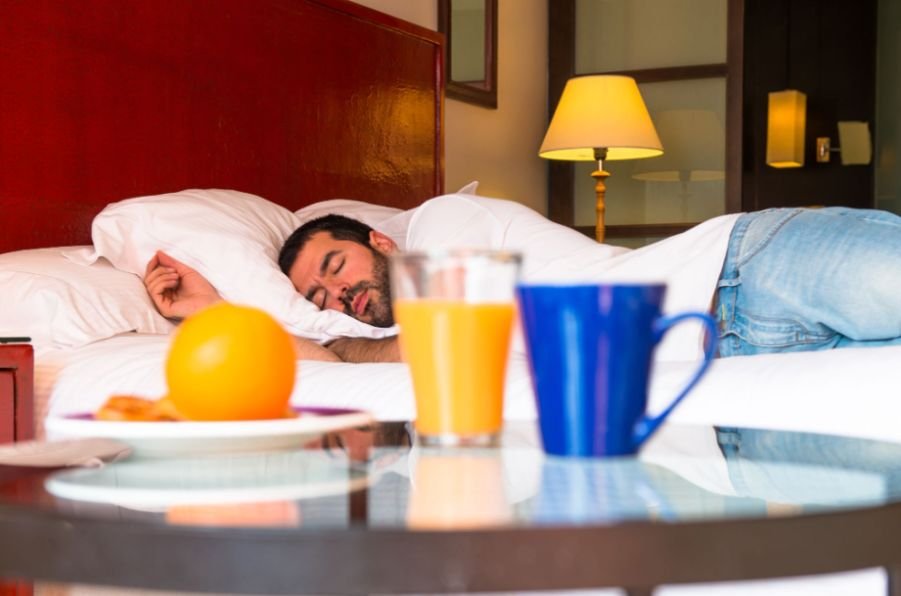
A 2 p.m. caffeine cutoff is a simple starting point for many adults. However, caffeine sensitivity varies, and some people may need to stop earlier.
Late coffee and energy drinks can make it harder to fall asleep or sleep deeply, which may worsen fatigue the following afternoon. The CDC recommends avoiding caffeine in the afternoon or evening as part of healthy sleep habits.
What Movement Habits Stop the 3 P.M. Slump?
Take Five-Minute Microbreaks
Sitting and concentrating for hours can make both physical and mental fatigue feel worse. Following healthy habits for people who work from home can make it easier to build movement, hydration, and screen breaks into a busy day.
I try to take a five-minute microbreak each hour to walk down the hallway, stretch, refill my water, or perform simple desk yoga.
A short walk after lunch combines movement with a mental reset. You do not need an intense workout. Consistent light activity can be more practical during a standard US workday.
Seek Natural Sunlight After Lunch
Step outside or sit near a bright window for about 10 minutes after eating. Daylight can support alertness and reinforce the body’s day-night signals. Henry Ford Health notes that sunlight may inhibit melatonin production and help counter midday drowsiness.
When outdoor access is limited, turn on brighter workplace lighting and avoid spending the entire afternoon in a dark room.
Practice the 20-20-20 Rule
Digital eye strain can feel like general exhaustion. Every 20 minutes, look at something approximately 20 feet away for at least 20 seconds.
I also close unnecessary browser tabs and silence nonessential notifications. Switching from work to social media does not provide the same mental break as stepping away from a screen.
Can a Power Nap Reduce Midday Fatigue?

A tactical 15-to-20-minute nap between 1 p.m. and 3 p.m. may improve alertness without causing the heavy grogginess associated with longer naps. Set an alarm and nap in a quiet, comfortable place when your schedule allows.
Avoid sleeping too late or for too long because daytime naps may interfere with nighttime sleep. People who already struggle with insomnia may benefit more from improving their sleep schedule than adding a daily nap.
A Simple Afternoon Energy Routine That Works
My routine starts with a balanced lunch and a glass of water. I walk outside for five to ten minutes, return to one clearly defined task, and take a screen break before fatigue becomes overwhelming. If hunger appears later, I choose fruit, yogurt, nuts, or another protein-and-fiber snack.
These healthy habits to reduce afternoon fatigue work best when repeated consistently. Trying one change for a week makes it easier to tell whether meal size, hydration, caffeine timing, movement, or sleep is affecting your energy.
When Should Persistent Afternoon Fatigue Concern Me?
Occasional afternoon tiredness is common. Speak with a healthcare professional when fatigue lasts several weeks, becomes severe, affects safe driving, or occurs with shortness of breath, dizziness, unexplained weight changes, mood changes, pain, or other concerning symptoms.
Persistent fatigue can have many causes, including sleep disorders, anemia, thyroid problems, medication effects, anxiety, depression, and other health conditions. Lifestyle changes cannot replace an appropriate medical evaluation.
Frequently Asked Questions
1. What are the best healthy habits to reduce afternoon fatigue?
Prioritize consistent sleep, a protein-rich breakfast, a moderate low-glycemic lunch, regular water intake, early caffeine timing, hourly movement, daylight exposure, screen breaks, and short naps when appropriate.
2. Why do I crash around 3 p.m. even after sleeping well?
Your circadian rhythm naturally lowers alertness during the early afternoon. A large lunch, dehydration, limited movement, stress, or prolonged screen use may intensify that biological dip.
3. What is the best snack for afternoon brain fog?
Choose a snack containing protein and fiber, such as an apple with peanut butter, Greek yogurt with berries, nuts with fruit, or hummus with vegetables.
4. Is coffee or a power nap better for afternoon tiredness?
Either may provide temporary relief. A short nap avoids additional caffeine, while coffee may be more practical at work. Consider how each option affects your nighttime sleep.
Take Back the Second Half of Your Day
I no longer treat afternoon fatigue as an automatic reason to reach for sugar or another oversized coffee. A lighter lunch, earlier hydration, regular movement, natural light, and better sleep create a much more reliable foundation for steady energy.
Begin with the habit that addresses your most likely trigger. Adjust your lunch if you feel tired after eating, move more if you sit all morning, or reconsider afternoon caffeine if you sleep poorly. Small, repeatable changes can make your afternoons more focused, productive, and manageable.
Leave a Reply