
A packed calendar once made me feel productive, but it also left me tired, distracted, and unable to enjoy my evenings. I eventually learned that self care ideas for better work life balance do not need to be expensive, complicated, or time-consuming. Small habits that protect energy, attention, and personal time can make each day feel more manageable.
Self-care is not about escaping responsibilities. It is about creating enough physical and emotional space to handle them without feeling constantly drained. The most useful habits fit naturally into a normal day and support both professional performance and personal wellbeing.
Why Self-Care Supports Better Balance
Work-life balance does not always mean dividing time equally between work and home. Some days will naturally require more attention in one area. The real goal is to prevent work from repeatedly consuming the time and energy needed for sleep, relationships, movement, relaxation, and personal interests.
Good self-care helps me notice when my routine is becoming unhealthy. It encourages me to respond before everyday pressure turns into ongoing exhaustion. Simple actions such as taking a real lunch break, turning off notifications, or going outside can improve the quality of the entire day.
Start the Day Without Work Pressure
A calm morning creates a useful boundary between waking up and starting work. Reaching for emails immediately can make the body feel rushed before the day has properly begun.
Delay Work Messages
I try to avoid checking work messages during the first few minutes of the morning. Instead, I drink water, open the curtains, stretch, or prepare breakfast. This gives my mind time to wake up before responding to other people’s priorities.
Even a ten-minute delay can make the morning feel more intentional. The aim is not to ignore important responsibilities but to begin the day with a small amount of personal control.
Choose One Main Priority
Long task lists often create pressure without improving focus. Choosing one important task helps reduce mental clutter and makes progress easier to recognise.
I still keep track of smaller responsibilities, but I identify the task that matters most. This approach prevents every item from feeling equally urgent and makes the workday feel less chaotic.
Protect Your Energy During Work
Self-care should not begin only after work ends. Waiting until the evening to recover from an exhausting day makes balance much harder to maintain.
Take Real Microbreaks
A microbreak can last two to five minutes. I use these short pauses to stand, stretch, breathe slowly, refill water, or look away from the screen.
The break works best when it is different from the task I have been doing. Switching from one screen to another may feel like a pause, but it does not always provide meaningful mental rest.
Eat Away From the Screen
Eating while answering messages can make lunch feel like another work task. Whenever possible, I move away from the desk and give the meal my full attention.
This creates a clear pause in the day and may also help me notice hunger and fullness more easily. A quiet lunch, a short walk, or a conversation can provide more recovery than scrolling through updates.
Reduce Notification Noise
Notifications repeatedly pull attention away from the task at hand. I silence unnecessary alerts and check communication at planned times when my role allows it.
Fewer interruptions help work feel more controlled. They also reduce the habit of staying mentally available every minute of the day, making clear boundaries one of the most practical self care ideas that cost nothing.
Create Healthier Work Boundaries

Boundaries are practical rules that show when work begins, when it ends, and what can reasonably fit into the day.
Use Clear Responses
Saying yes automatically can create overloaded schedules. A respectful response can protect time without sounding unhelpful.
I may say, “I can complete this tomorrow,” or “I can take this on if another deadline is moved.” Clear wording makes the available options easier for everyone to understand.
Set a Finishing Time
A finishing time gives the day a visible endpoint. Without one, small tasks can expand into the evening and keep the mind connected to work.
The exact time may change depending on responsibilities, but having a general limit helps. When work ends, I close tabs, write down unfinished tasks, and step away from the workspace.
Build an After-Work Reset
The mind often needs a transition before it can relax. Moving directly from work into household tasks or digital entertainment may not provide enough separation.
Create a Shutdown Ritual
A shutdown ritual can include reviewing tomorrow’s priorities, clearing the desk, changing clothes, or taking a short walk. Repeating the same action teaches the brain that the workday has ended.
This is especially useful for people who work from home because the physical distance between work and personal life may be very small.
Choose Rest That Restores You
Not every relaxing activity is restorative. Endless scrolling can fill time without improving energy or mood.
I try to choose activities that leave me feeling better afterward, such as reading, cooking, stretching, gardening, listening to music, or speaking with someone I trust. The best form of rest depends on the type of tiredness I feel.
Make Space for Deeper Weekly Recovery
Daily habits are helpful, but longer periods of recovery are also important. A schedule filled with errands and unfinished work can make days off feel like extensions of the working week.
Protect a Work-Free Block
I reserve at least one block of time when I do not check messages or complete work tasks. It may be a full day, an afternoon, or a few protected hours.
This boundary allows attention to return to personal interests and relationships. It also makes it easier to begin the next work period with more energy.
Reconnect With Enjoyable Activities
Hobbies are easy to postpone because they do not always appear urgent. However, creative, social, and physical activities can provide a strong sense of identity outside work.
Walking, drawing, baking, playing a sport, visiting nature, or learning something new can all support recovery. The activity does not need to be productive to be worthwhile.
Adapt Self-Care to Your Work Style
Different schedules require different solutions. Remote workers may need stronger physical boundaries, while office workers may benefit from protecting commuting and lunch time.
Shift workers may need flexible sleep and meal routines rather than traditional morning and evening habits. Freelancers may need clear client hours, and caregivers may need shorter self-care practices that fit around changing responsibilities.
The most effective self care ideas for better work life balance are the ones that match real circumstances. A habit should reduce pressure, not become another standard that feels difficult to meet.
Know When Self-Care Is Not Enough
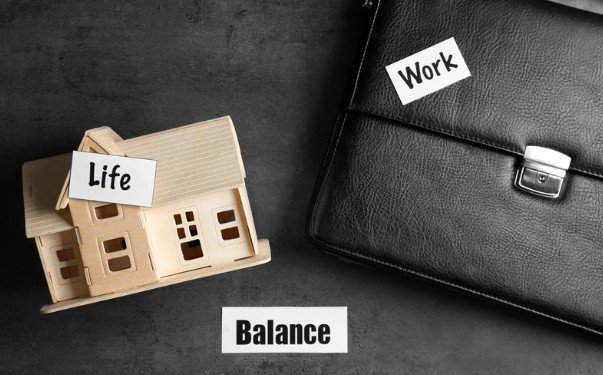
Self-care can support everyday wellbeing, but it cannot solve every workplace problem. Constant unreasonable demands, bullying, discrimination, unsafe conditions, or severe exhaustion may require more direct action.
Speaking with a manager, support service, trusted professional, or healthcare provider may be necessary when stress becomes persistent or begins affecting sleep, mood, relationships, or daily functioning.
Frequently Asked Questions
1. What Are the Best Self Care Ideas for Better Work Life Balance?
The best ideas include setting work hours, taking screen-free breaks, eating away from the desk, protecting sleep, limiting notifications, creating a shutdown ritual, and scheduling time for relationships and enjoyable activities.
2. How Can I Practise Self-Care During a Busy Workday?
Use short habits that take only a few minutes. Stand up, breathe slowly, drink water, stretch, step outside, silence alerts, or eat without working. Small pauses can reduce the buildup of tension.
3. How Do I Stop Thinking About Work After Hours?
Write down unfinished tasks, choose tomorrow’s first priority, close work apps, and follow a consistent transition ritual. Physical movement and changing the environment can also help shift attention away from work.
4. Can Self-Care Improve Productivity?
Yes. Adequate rest, focused work periods, healthy boundaries, and regular breaks can support concentration and decision-making. Productivity often improves when energy is managed rather than constantly pushed.
A Better Rhythm Starts Small
I no longer see balance as something I achieve once and keep forever. It changes with responsibilities, energy, and personal needs. What matters is noticing when work is taking too much and making a practical adjustment.
One protected lunch, one quiet evening, or one clear boundary can begin to change the rhythm of the week. Consistent self-care does not remove every demanding day, but it helps me move through those days without losing all the time and energy meant for life outside work.
Leave a Reply