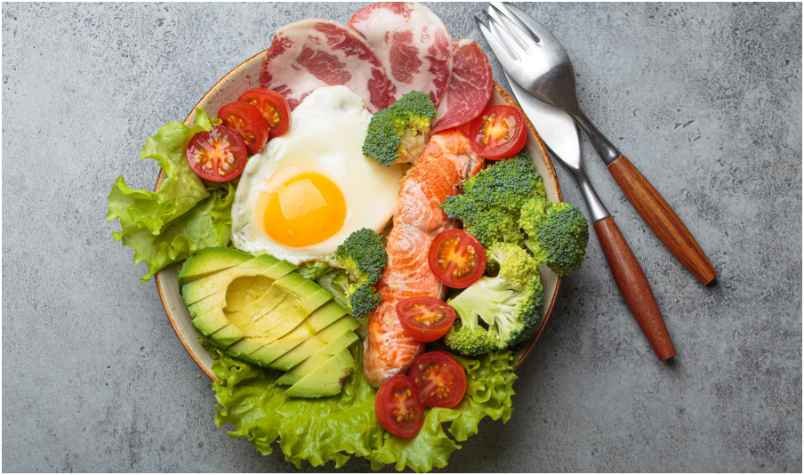
A meal can look healthy yet leave you hungry an hour later. I experienced this whenever I ate a vegetable-heavy lunch without enough protein or relied on a protein shake with almost no fiber. Learning how to build a balanced meal with protein and fiber helped me create meals that felt complete, practical, and satisfying.
The easiest method is to combine a protein anchor, fiber-rich produce, a quality carbohydrate, and a small amount of healthy fat. You do not need perfect measurements or complicated recipes.
Why Protein and Fiber Belong on the Same Plate
Protein supplies amino acids that the body uses to build and maintain muscles, skin, organs, and other tissues. Common sources include fish, poultry, eggs, dairy products, tofu, beans, lentils, nuts, and seeds.
Fiber adds bulk to meals and comes mainly from plant foods. Vegetables, fruits, beans, whole grains, nuts, and seeds can all increase a meal’s fiber content.
Pairing the two creates a more substantial plate than eating either nutrient alone. A bowl of plain pasta may provide energy but little lasting satisfaction. Adding chicken, white beans, spinach, and tomatoes creates a more complete meal.
The FDA uses 28 grams as the Daily Value for fiber on a 2,000-calorie diet. Individual requirements can differ, but the number provides a useful label-reading reference.
Use the Four-Part Balanced Plate Formula
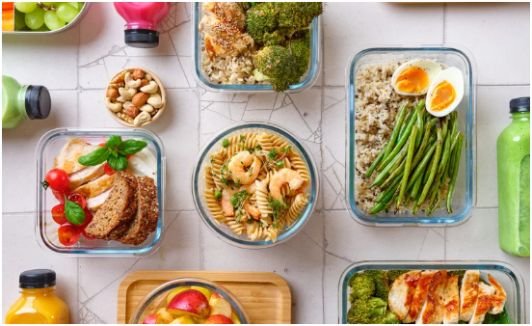
When I first learned how to build a balanced meal with protein and fiber, I stopped counting every ingredient. I began looking at the structure of the entire plate.
Fill Half the Plate With Fiber-Rich Produce
Use vegetables and fruit to fill roughly half the plate. Good choices include broccoli, spinach, carrots, cauliflower, Brussels sprouts, berries, apples, oranges, peppers, and leafy greens.
You do not need five different vegetables. One generous serving of roasted broccoli and a piece of fruit can work. Frozen and canned produce also count, although it helps to check canned foods for added sodium or syrup.
Aim for variety across the week rather than forcing variety into every meal.
Add a Reliable Protein Anchor
Reserve about one-quarter of the plate for protein. Chicken breast, fish, eggs, lean meat, Greek yogurt, cottage cheese, tofu, tempeh, and paneer can all serve as anchors.
Beans and lentils also provide protein, although their protein content varies by serving. Plant proteins can contribute useful amino acids when you eat varied foods throughout the day.
Your protein portion should suit your appetite, activity level, age, and health needs. The NIH provides a Dietary Reference Intake calculator because individual nutrient requirements are not identical.
Choose a Fiber-Rich Carbohydrate
Use the remaining quarter for a complex carbohydrate or whole grain. Brown rice, quinoa, oats, barley, sweet potatoes, whole-grain bread, and whole-wheat pasta are practical options.
Whole grains usually provide more fiber than refined grains. They also make the plate more satisfying without requiring an oversized portion.
A carbohydrate does not ruin a balanced meal. The problem is often a plate dominated by refined carbohydrates with little protein or produce.
Finish With a Small Amount of Healthy Fat
Add olive oil, avocado, nuts, pumpkin seeds, chia seeds, tahini, or another unsaturated fat.
Fat improves flavor and can make vegetables more appealing. However, calorie-dense fats can quickly become large portions. A drizzle, spoonful, or small handful is usually enough for meal-building purposes.
Build Meals With the Protein Anchor Method
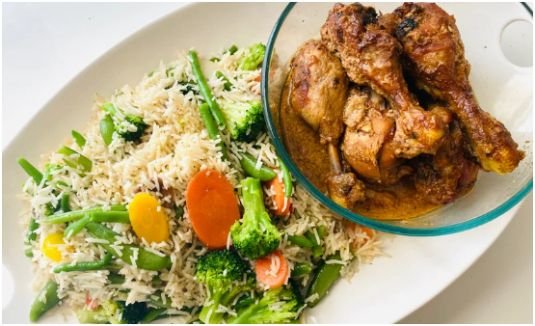
My most useful strategy for how to build a balanced meal with protein and fiber is choosing protein first.
Start with one question: What is my protein anchor?
Once you choose salmon, chicken, tofu, eggs, Greek yogurt, or beans, add two fiber layers. The first layer should be produce. The second can be a whole grain, starchy vegetable, legume, fruit, nut, or seed.
For example, start with grilled chicken. Add roasted Brussels sprouts and a small baked sweet potato. Finish with olive oil or pumpkin seeds.
This process works because it prevents the common habit of building an entire meal around bread, pasta, or rice and adding protein as an afterthought.
Use Foods That Provide Protein and Fiber
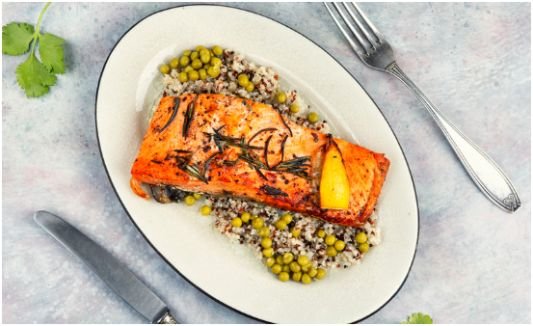
Some ingredients do double duty. They make how to build a balanced meal with protein and fiber much easier when time or grocery options are limited.
Lentils provide both plant protein and fiber. Chickpeas, black beans, kidney beans, split peas, edamame, and other legumes offer the same advantage. Nuts, seeds, quinoa, and oats also contribute varying amounts of both nutrients.
A lentil bowl still benefits from vegetables and healthy fat. Dual-purpose foods simplify the plate, but they do not need to carry the entire meal.
Try mixing chickpeas into a chicken salad, adding lentils to vegetable soup, or stirring edamame into a brown rice bowl.
Three Balanced Meal Examples
A Fast Protein and Fiber Breakfast
Layer plain Greek yogurt with berries, oats, chia seeds, and sliced almonds.
The yogurt acts as the protein anchor. Berries, oats, chia seeds, and almonds add fiber. Choose plain yogurt when you want more control over added sugar.
For a savory breakfast, pair eggs with whole-grain toast, avocado, and sautéed spinach.
A Plant-Forward Lunch Bowl
Start with quinoa and chickpeas. Add cucumbers, grated carrots, spinach, tomatoes, and a spoonful of plain yogurt or tahini.
This bowl uses chickpeas as a dual-purpose protein and fiber ingredient. Quinoa adds another layer of both, while the vegetables increase volume and variety.
A Flexible Weeknight Dinner
Pair baked salmon, tofu, chicken, or paneer with roasted broccoli and sweet potato wedges.
This meal demonstrates how to build a balanced meal with protein and fiber without a detailed recipe. Change the protein, vegetable, seasoning, or grain while keeping the structure intact.
Check Your Meal With the Five-Minute Audit
Before eating, I use a quick meal audit. I ask:
Does the meal contain a clear protein source? Does it contain at least one generous plant food? Is the main carbohydrate rich in fiber? Will the portion keep me comfortable rather than overfull?
Packaged foods require one extra check. The FDA considers 5% Daily Value or less low and 20% or more high for a listed nutrient. A bread, wrap, cereal, or grain product with a higher fiber percentage can help strengthen the meal.
This audit is more useful than labeling individual foods as good or bad. It evaluates how the meal works as a whole.
Common Meal-Building Mistakes
One mistake is treating a small garnish as the vegetable serving. A few lettuce leaves do not provide the same volume as a substantial salad or cooked vegetable portion.
Another is assuming every “high-protein” product also contains fiber. Meat, fish, eggs, and many dairy products naturally contain little or no fiber. Pair them with plant foods.
Do not depend entirely on protein bars and fiber powders. Convenient products can help, but whole foods usually add more texture, variety, vitamins, minerals, and satisfaction.
Finally, increase fiber gradually if your current intake is low. Sudden large changes may cause digestive discomfort. Adequate fluid intake also matters when eating more fiber.
Frequently Asked Questions
1. How can I build a high-protein, high-fiber meal?
Choose a protein anchor, add a generous vegetable portion, include beans or whole grains, and finish with fruit, nuts, or seeds.
2. What foods contain both protein and fiber?
Beans, lentils, chickpeas, split peas, edamame, nuts, seeds, quinoa, and oats provide varying amounts of both nutrients.
3. How do I build a balanced vegetarian meal?
Combine tofu, tempeh, eggs, Greek yogurt, paneer, beans, or lentils with vegetables, whole grains, and a healthy fat.
4. Can breakfast contain enough protein and fiber?
Yes. Greek yogurt with berries, oats, chia seeds, and nuts is one easy example of how to build a balanced meal with protein and fiber.
Your Plate Is Ready to Pull Its Weight
I no longer judge a meal by how colorful or low-calorie it appears. I check whether it has a real protein anchor and meaningful sources of fiber.
The next time you prepare food, choose the protein first. Add two fiber layers, then finish the plate with flavor and healthy fat. That small routine turns random ingredients into a meal that works harder for you.
Leave a Reply