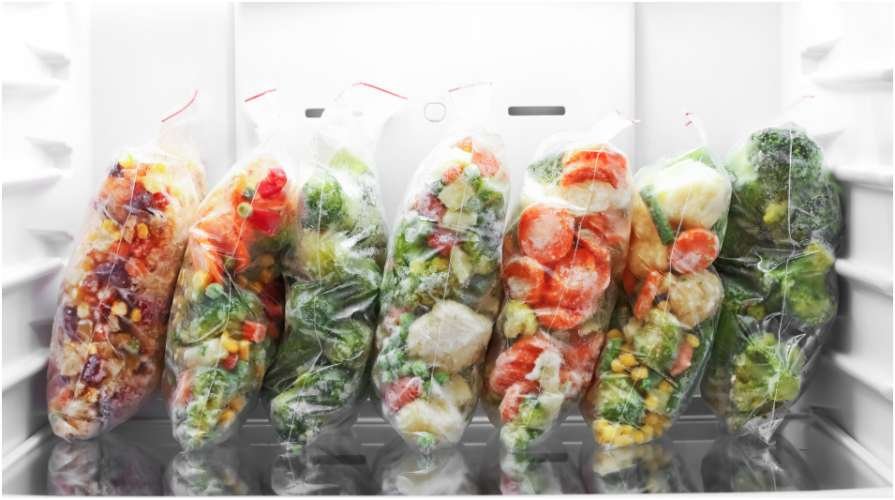
I used to treat frozen vegetables like an emergency side dish. I would boil them, drain them and wonder why they tasted watery and dull. Learning how to make frozen vegetables taste good and healthy changed both their texture and their role in my meals.
The biggest improvement came when I stopped treating them like fresh vegetables. Frozen produce contains surface ice and releases moisture as it heats. It needs strong heat, enough cooking space and seasoning added at the right time.
Why Frozen Vegetables Become Soggy
Most frozen vegetables are briefly blanched before freezing. Blanching slows the enzymes that affect their color, flavor and quality during storage. This means the vegetables have already received some heat before reaching my kitchen.
Freezing also creates ice crystals inside plant cells. Once heated, those crystals melt and release water. Thawing vegetables before cooking gives that moisture more time to soften their structure.
I therefore cook most varieties directly from frozen. This reduces handling, saves time and helps the outside brown before the inside becomes too soft.
Frozen vegetables are not automatically less nutritious than fresh ones. Research comparing fresh and frozen produce has found that nutrient levels vary by vegetable, but frozen options often remain comparable to fresh produce.
My Three Rules for Better Frozen Vegetables
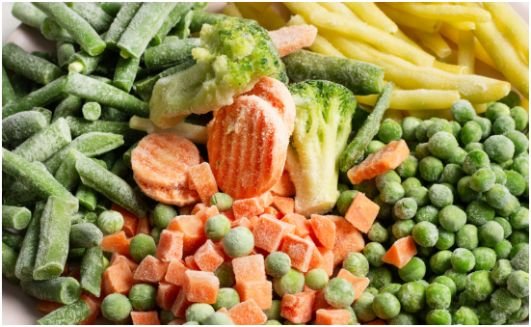
My approach to how to make frozen vegetables taste good and healthy follows three simple rules: skip thawing, control moisture and finish with concentrated flavor.
Cook Them Straight From Frozen
I pour frozen vegetables directly from the bag into a hot pan, air fryer basket or roasting tray. Thawing often leaves broccoli, cauliflower and green beans wet before cooking even begins.
There are exceptions. Frozen spinach may need thawing and squeezing when used in dips, stuffed pasta or baked dishes. Large frozen vegetable blocks may also need brief microwave heating so they separate evenly.
Use High Heat and Enough Space
High heat encourages browning. Crowding traps steam.
When vegetables overlap in a roasting pan, moisture cannot escape quickly. They simmer in their own water instead of developing crisp edges. I use two trays when one tray looks crowded.
I also preheat the pan when roasting. The instant contact with hot metal helps evaporate surface moisture faster.
Add Salt Near the End
Salt improves flavor, but it can also pull water from vegetables. I wait until the vegetables have started browning before adding it.
This is not an absolute cooking law. However, delaying salt has consistently helped me achieve firmer frozen vegetables, especially in a skillet. I add herbs, citrus juice and finishing sauces after the main moisture has evaporated.
Healthy Ways to Cook Frozen Vegetables
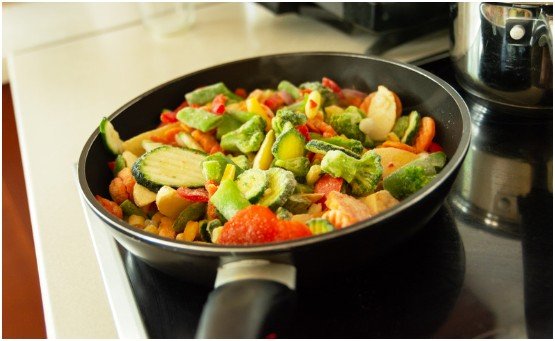
The best cooking method depends on the vegetable and the texture I want. Understanding how to make frozen vegetables taste good and healthy does not require expensive equipment.
Oven Roasting for Crisp Edges
I heat the oven to 425°F and place a sheet pan inside while it preheats. I toss the frozen vegetables with one or two teaspoons of olive oil, then spread them across the hot tray.
Most small vegetables roast in 20 to 30 minutes. I turn them once after the edges begin browning. Broccoli, cauliflower, Brussels sprouts, carrots and green beans work especially well.
A heavy layer of oil is unnecessary. A thin coating helps seasoning stick and supports browning without turning the vegetables greasy.
Air Frying for Speed
The air fryer is my preferred option for smaller portions. I cook frozen vegetables at 400°F for about 12 to 16 minutes, shaking the basket halfway through.
Cooking time depends on the appliance and vegetable size. Thin green beans may finish faster than large broccoli florets.
I avoid filling the basket to the top. Air must circulate around the vegetables to remove steam and produce crisp edges.
Skillet Sautéing for Weeknight Meals
For skillet cooking, I heat a wide pan before adding the vegetables. I start with little or no oil and allow the surface ice to evaporate.
Once the pan looks dry, I add a teaspoon of olive or avocado oil. I leave the vegetables undisturbed for one minute before stirring. That short pause creates more browning than constant movement.
This dry-then-oil method is one of my most reliable answers to how to make frozen vegetables taste good and healthy on a busy night.
Steaming and Microwaving Without Mushiness
Steaming and microwaving can preserve a clean flavor when crispness is not the goal. Studies examining vegetable cooking methods have found that boiling often causes greater vitamin C losses than methods using less water, although results differ by vegetable.
I microwave vegetables with only a tablespoon of water and stop while they still have some bite. I then drain any liquid before seasoning.
Boiling is my last choice because it encourages waterlogging. When I must boil vegetables for soup, I keep the cooking liquid in the dish rather than pouring it away.
Healthy Seasonings That Add Real Flavor
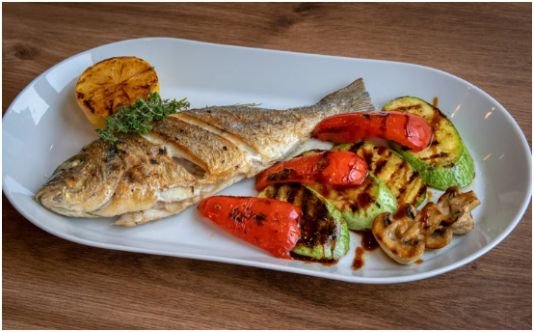
Frozen vegetables need contrast. I combine saltiness, acidity, aroma and savory depth instead of relying on butter or cheese alone.
For bright flavor, I use lemon juice, lime juice, red wine vinegar or rice vinegar. I add acid after cooking because prolonged heat can soften its impact.
For savory depth, I use garlic powder, onion powder, smoked paprika, nutritional yeast or a small amount of low-sodium soy sauce. Fresh garlic, ginger, scallions and chilies work well in skillet dishes.
Healthy fats also carry flavor. A teaspoon of extra-virgin olive oil, tahini or toasted sesame oil can transform a full serving. Sesame oil tastes strongest as a finishing ingredient, so I use only a few drops.
These vegetables also pair naturally with many of the best high-fiber foods for everyday meals, including beans, lentils, whole grains and seeds.
My Tested Flavor Formula
My original formula for how to make frozen vegetables taste good and healthy is “one dry spice, one finishing acid and one savory accent.”
For frozen broccoli, I use garlic powder, lemon juice and nutritional yeast. For green beans, I use smoked paprika, red wine vinegar and toasted almonds. For a stir-fry blend, I use ground ginger, lime juice and low-sodium soy sauce.
I tested the formula by cooking two equal cups of frozen broccoli. One batch received oil and salt before cooking. The second received garlic powder first, then salt, lemon and nutritional yeast after roasting.
The second batch browned more evenly and tasted stronger without requiring extra oil. This was a kitchen comparison rather than a scientific trial, but it gave me a practical rule I now use regularly.
Turn Frozen Vegetables Into Balanced Meals
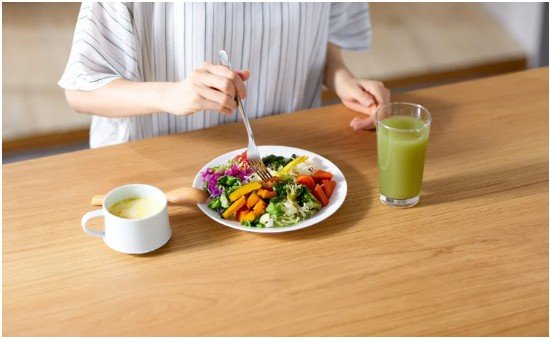
A plain side dish is not the only option. Once I understood how to make frozen vegetables taste good and healthy, I began using them as meal-building ingredients.
I add frozen peas to scrambled eggs during the final two minutes. I stir spinach into lentil soup near the end of cooking. I combine roasted broccoli with brown rice, chickpeas and lemon-tahini dressing.
Frozen corn works well in black bean bowls, taco fillings and vegetable chili. Cauliflower can bulk out pasta sauce or curry. Mixed vegetables can turn leftover rice into a fast skillet meal.
For better balance, I pair the vegetables with protein, a fiber-rich carbohydrate and a small amount of healthy fat. This creates a more satisfying meal than vegetables served alone.
Common Mistakes to Avoid
The most common mistake is overcrowding. Even the correct temperature cannot produce crisp vegetables when steam has nowhere to escape.
I also avoid pouring frozen vegetables into a cold skillet. They thaw slowly, release water and begin stewing.
Using too much oil creates another problem. Oil cannot remove moisture. Excess oil may coat wet vegetables without helping them brown.
Finally, I check the package directions. Some frozen products are designed for cooking, not eating straight from the bag. Freezing stops most bacterial growth but does not necessarily kill bacteria. The FDA advises keeping freezers at 0°F and cooking frozen foods properly.
Frequently Asked Questions
1. How do you make frozen vegetables crispy?
Cook them from frozen at high heat, avoid crowding and allow surface moisture to evaporate before adding wet sauces.
2. What is the healthiest way to cook frozen vegetables?
Microwaving, steaming, air frying and roasting with minimal oil can all work well when vegetables are not overcooked.
3. How can I season frozen vegetables without butter?
Use citrus juice, vinegar, garlic, herbs, smoked paprika, nutritional yeast, tahini or a small amount of low-sodium soy sauce.
4. Can I roast frozen vegetables without thawing them?
Yes. Cooking them directly from frozen usually produces better texture because thawing can release extra water before roasting.
Your Freezer Vegetables Deserve Better
My best lesson about how to make frozen vegetables taste good and healthy is that flavor begins with moisture control. High heat creates texture, but the finishing ingredients create personality.
Tonight, choose one frozen vegetable and use the simple formula: dry spice, high heat, finishing acid and savory accent. That small change can turn an overlooked freezer bag into the most flavorful part of dinner.
Leave a Reply