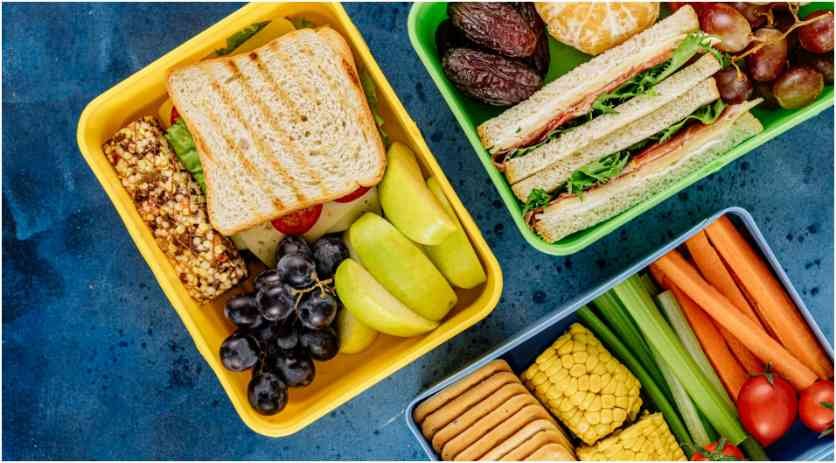
I used to treat a handful of crackers and a cheese stick as lunch when my schedule became hectic. By midafternoon, I was distracted, hungry and searching for something sweet. Building easy no-cook lunches with protein and fiber changed that pattern without adding another cooking session to my week.
My best lunches now take five to ten minutes. They combine a ready-to-eat protein, a fiber-rich food, crisp produce and a flavorful finishing ingredient. The result feels like a real meal rather than a random collection of snacks.
Why Protein and Fiber Make Lunch More Satisfying
Protein supports muscle maintenance and many essential body functions. Fiber adds volume, supports digestive health and appears in foods such as beans, vegetables, fruit and whole grains.
Current U.S. dietary guidance encourages nutrient-dense protein foods, vegetables, fruits and fiber-rich whole grains. It also recommends choosing whole or minimally processed foods more often.
Protein and fiber do not guarantee that every person will remain full for the same period. Appetite also depends on sleep, activity, meal size and individual needs. However, research suggests that protein-rich meals can increase feelings of fullness. Studies of beans and other pulses have also found favorable effects on short-term satiety.
I use a practical target rather than chasing perfect numbers. Most of my lunches contain about 25 to 35 grams of protein and at least two meaningful fiber sources. That may include beans plus vegetables or whole-grain bread plus fruit.
My Four-Part No-Cook Lunch Formula
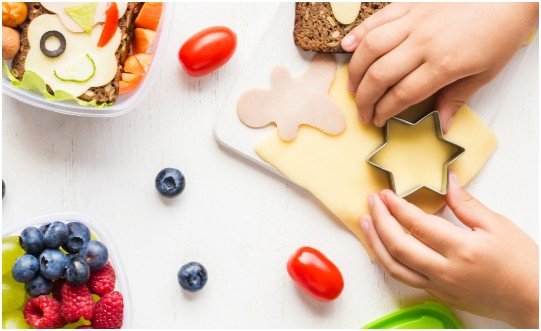
The easiest way to create easy no-cook lunches with protein and fiber is to stop thinking in strict recipes. I build each meal with four parts: protein, fiber, freshness and flavor.
Choose a Convenient Protein
Start with one protein that requires no preparation beyond opening or slicing. Useful options include canned tuna, canned salmon, rotisserie chicken, deli turkey, cottage cheese, Greek yogurt, mozzarella, tofu or ready-to-eat lentils.
Read labels when buying flavored yogurt, deli meat and canned seafood. Sodium, added sugar and serving sizes vary widely between products.
Add a High-Fiber Base
Beans are my favorite shortcut because they provide both protein and fiber. Black beans, chickpeas, cannellini beans and lentils work in bowls, wraps and salads.
Other practical choices include whole-grain bread, high-fiber tortillas, seeded crackers, pears, berries and vegetables. A meal does not need an enormous amount of fiber to count. It simply needs more substance than white bread or chips alone.
Include Freshness and Crunch
Texture determines whether I enjoy a no-cook meal. I add at least one crisp ingredient, such as cucumber, bell pepper, shredded carrots, celery or cabbage.
This is my tested “two-texture rule”: combine one creamy ingredient with one crunchy ingredient. Cottage cheese with peppers works. Hummus with carrots works. Greek yogurt dressing with celery works. The contrast makes simple ingredients feel more complete.
Finish With a Strong Flavor
A bland lunch rarely becomes a repeat lunch. Salsa, pesto, mustard, lemon juice, balsamic glaze, hot sauce, herbs or seasoning blends can transform basic staples.
Use concentrated ingredients carefully. Feta, olives, deli meats and bottled sauces can add considerable sodium when combined in one meal.
Seven Easy No-Cook Lunch Ideas
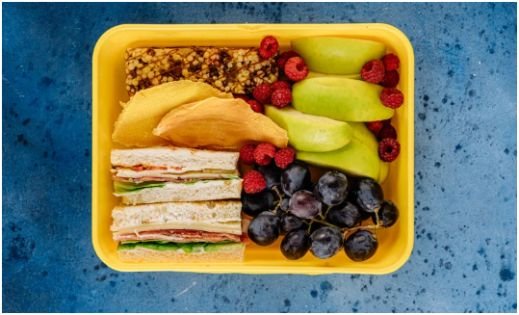
These easy no-cook lunches with protein and fiber can be adjusted around allergies, dietary preferences and whatever is already in the refrigerator.
Tex-Mex Cottage Cheese and Black Bean Bowl
Spoon cottage cheese into a bowl and top it with rinsed black beans, chopped bell pepper, tomatoes and salsa. Add taco seasoning, cilantro or pumpkin seeds.
The cottage cheese creates a high-protein base. Beans and vegetables add fiber and texture. Use plain Greek yogurt instead of cottage cheese when you prefer a smoother bowl.
Creamy Chickpea Salad Wrap
Mash chickpeas lightly with Greek yogurt, mustard and lemon juice. Fold in diced celery, walnuts and halved grapes. Roll the mixture inside a whole-grain or high-fiber tortilla.
I leave some chickpeas whole because a completely smooth filling can become pasty. The celery and walnuts make this lunch much more satisfying.
Tuna, White Bean and Cucumber Bowl
Combine drained tuna with rinsed cannellini beans, chopped cucumber, parsley and cherry tomatoes. Dress it with olive oil, lemon juice and black pepper.
This is one of my most reliable easy no-cook lunches with protein and fiber because both main ingredients are shelf-stable. I can assemble it even when the refrigerator looks nearly empty.
Turkey Hummus Crunch Roll-Ups
Spread hummus over sliced turkey breast. Add baby spinach, shredded carrots and thin cucumber strips. Roll each slice tightly and serve it with fruit or whole-grain crackers.
For a larger lunch, place the same ingredients in a high-fiber tortilla. Check the deli-meat label when you are watching sodium intake.
Caprese Chickpea Lunch Box
Combine chickpeas, mozzarella pearls, cherry tomatoes and basil. Add balsamic vinegar or a small amount of balsamic glaze. Pack seeded crackers or a pear on the side.
This lunch travels well when the dressing stays in a separate container. Add it just before eating to protect the texture.
Greek Yogurt Chicken Salad Sandwich
Mix chopped rotisserie chicken with plain Greek yogurt, Dijon mustard, celery and grapes. Spoon it onto whole-grain bread and add lettuce.
Remove chicken skin before mixing when you want a lighter filling. Store the bread separately if the sandwich will sit for several hours.
Lentil Feta Mediterranean Bowl
Combine ready-to-eat lentils with cucumber, tomatoes, spinach, feta and olives. Add lemon juice, oregano and a drizzle of olive oil.
Lentils make easy no-cook lunches with protein and fiber especially convenient because they require little seasoning and pair well with many vegetables.
How I Keep No-Cook Lunches Fresh
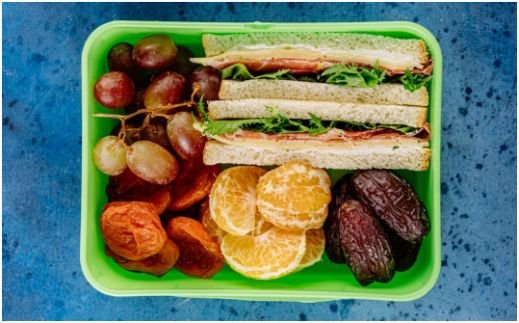
The difference between a crisp lunch and a soggy one usually comes down to storage. I keep wet ingredients away from bread, wraps and leafy greens until lunchtime.
I also drain canned foods well. Excess liquid from tuna, beans or mozzarella can dilute dressing and soften vegetables. After rinsing beans, I let them sit in a strainer while I prepare everything else.
For food safety, refrigerate perishable ingredients promptly and keep packed lunches cold with an insulated bag and frozen ice pack. Do not rely on appearance or smell to determine whether food has remained safe.
I prepare components rather than fully assembled lunches. Washed vegetables, drained beans and portioned proteins remain more versatile. This method also reduces the boredom that often comes with eating the same meal several days in a row.
No-Cook Grocery Staples Worth Buying
A useful grocery list does not need dozens of specialty items. I keep two proteins, two legumes, several crisp vegetables, one whole-grain option and two sauces available each week.
My regular proteins include cottage cheese, Greek yogurt, tuna, salmon, turkey and rotisserie chicken. Fiber-rich staples include black beans, chickpeas, lentils, whole-grain bread and high-fiber wraps.
For produce, I choose vegetables that remain crisp for several days. Cucumbers, bell peppers, carrots, cabbage and cherry tomatoes usually perform better than delicate prepared salads.
A Healthy grocery list for one person on a budget can make this strategy more affordable. Choose ingredients that work across several meals instead of buying separate products for every recipe.
Before checking out, consider whether each item serves at least two purposes. Hummus can become a sandwich spread, bowl topping or dip. Chickpeas can fill a wrap, salad or snack box. This simple rule helps control waste.
Frequently Asked Questions
1. What are the best high-protein lunches that require no cooking?
Cottage cheese bowls, tuna and bean salads, turkey hummus wraps, Greek yogurt chicken salad and lentil feta bowls are dependable choices.
2. How can I add more fiber to a cold lunch?
Add beans, lentils, whole-grain bread, high-fiber wraps, vegetables, berries, pears, nuts or seeds.
3. Can easy no-cook lunches with protein and fiber support weight management?
They may improve fullness and meal quality, but weight management still depends on total intake, activity, sleep and individual health needs.
4. How long can a no-cook lunch stay unrefrigerated?
Perishable lunches should remain chilled. Use an insulated bag with ice packs and follow current USDA food-safety guidance.
Your Lunch Break Deserves Better
I no longer accept a sad desk lunch just because I do not have time to cook. My four-part formula lets me create easy no-cook lunches with protein and fiber from whatever I already have.
Start with one meal rather than preparing an entire week. Pick a protein, add beans or whole grains, include something crisp and finish with a bold sauce. Your five-minute lunch might become the most reliable meal of your day.
Leave a Reply