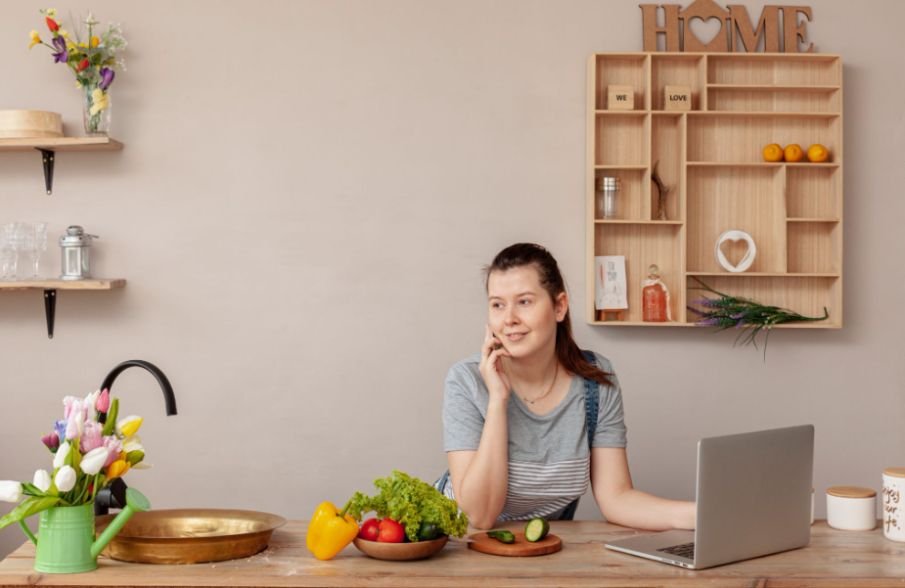
Working remotely gave me more control over my day, but it also made unhealthy patterns easier to ignore. I could sit for hours, snack without thinking, and let work stretch into the evening. Building healthy habits for people who work from home helped me protect my energy, posture, focus, and personal time without creating an unrealistic wellness routine.
The goal is not perfection. It is a workday built around clear boundaries, movement, planned meals, and repeatable cues.
How Do I Build a Healthy Work-From-Home Morning Routine?
Simulate a Commute Before You Log In
I use part of my former commute time to walk, stretch, read, or sit outside. I also change out of my pajamas. These cues tell my brain that the workday is beginning and stop me from moving directly from bed to email.
This short routine creates a mental transition between home life and work. It also helps me start the day intentionally instead of reacting immediately to notifications.
Get Morning Sunlight and Eat for Steady Energy
I step outside or sit near a bright window within an hour of waking. Morning light helps me feel alert and supports a consistent sleep-wake schedule.
For breakfast, I combine protein, fiber, and healthy fats. Greek yogurt, oatmeal with nuts, eggs with whole-grain toast, or cottage cheese with fruit provide steadier energy than a sugary breakfast.
How Should I Set Work-Life Boundaries at Home?
Clear work boundaries also make it easier to protect your evening routine and prepare your body for rest. Practicing sleep optimization habits can support better recovery, steadier energy, and stronger focus during the next remote workday.
Create Fixed Hours and a Hard Stop

I set a firm start and finish time. At the end of the day, I update tomorrow’s priorities, log out of communication apps, close my laptop, and leave the workspace.
This shutdown ritual replaces the separation a commute once provided and reduces the temptation to answer one more message during dinner.
Protect a Dedicated Work Zone
I work at a desk or table instead of my bed or couch. Keeping relaxation areas separate makes it easier to focus during office hours and unwind afterward.
A corner of a dining table can work if I clear it when the workday ends. The goal is to create a visible boundary, not an expensive home office.
How Can I Improve My Home Office Ergonomics?
Align the Screen, Chair, and Keyboard
I keep my monitor about an arm’s length away, with its top at or slightly below eye level. My elbows stay near a 90-degree angle, and I type without reaching forward.
My thighs remain roughly parallel to the floor, while my feet rest flat or on a stable footrest. A rolled towel can support the lower back, and books can raise a laptop when paired with an external keyboard and mouse.
Reduce Digital Eye Strain
I use the 20-20-20 rule during long screen sessions. Every 20 minutes, I look at something approximately 20 feet away for at least 20 seconds.
I also reduce screen glare, increase text size when necessary, and change positions regularly. Holding one supposedly perfect posture all day can still cause stiffness and discomfort.
What Is the Best Way to Stay Active While Working From Home?
Add Micro-Movements Throughout the Day
Remote workers lose movement once created by commuting and walking to meetings. I replace it by standing during calls, walking after virtual meetings, doing heel raises, or stretching between tasks.
I move for two or three minutes at least once an hour to reduce stiffness and refresh my attention. These small movement breaks are easier to maintain than relying on one long workout to offset an otherwise sedentary day.
Schedule Purposeful Exercise
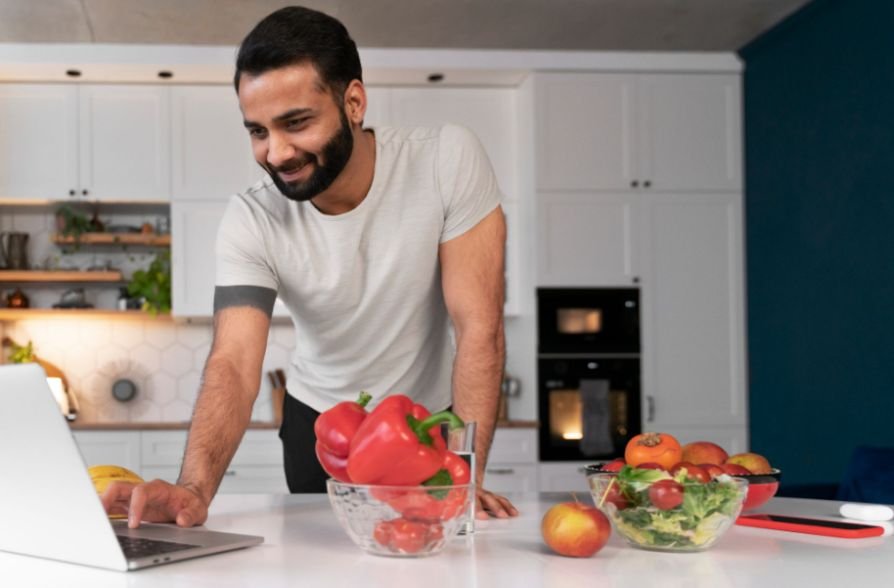
Micro-movements do not replace structured exercise. I schedule walking, cycling, jogging, strength training, or a home workout as a real appointment.
Many American adults work toward approximately 150 minutes of moderate aerobic activity each week, along with muscle-strengthening activity on two days. I adjust that goal according to my fitness level, health needs, and schedule.
How Can I Eat Better During a Remote Workday?
Prepare Lunch Before Work Gets Busy
I decide on lunch before opening my inbox. Preparing it early prevents grazing, skipped meals, and last-minute fast food when meetings run long.
A balanced lunch may combine lean protein, vegetables, fiber-rich carbohydrates, and healthy fats. Grain bowls, bean soups, wraps, salads, and leftovers work well for a practical work-from-home routine.
Use Hydration and Snacking Cues
I keep a reusable water bottle in clear view and prioritize protein at breakfast and lunch to manage hunger and afternoon energy dips.
I also use the kitchen as my designated snack zone instead of eating while typing. This rule interrupts mindless snacking. Fruit, nuts, yogurt, hummus, vegetables, and cheese are satisfying options that require little preparation.
How Do I Protect My Mental Health While Working Remotely?
Remote work can gradually affect confidence when isolation, constant comparison, or blurred boundaries make daily accomplishments feel less visible. Building self-care habits to improve confidence can help you recognize progress, protect your self-worth, and approach work with a healthier mindset.
Take Breaks That Feel Like Real Breaks
Eating lunch while reading email does not provide much recovery. I step away from my workstation and keep at least part of my lunch break screen-free.
Between demanding meetings, I close my eyes and breathe slowly for two minutes. This micro-mindfulness habit helps me reset without requiring a long meditation session.
Maintain Meaningful Social Contact
Text-only communication can feel isolating, so I use phone or video calls and schedule time with friends, neighbors, or coworkers.
Persistent fatigue, irritability, poor sleep, declining motivation, and difficulty disconnecting may signal remote work burnout. When those patterns continue, I reconsider my workload, strengthen my boundaries, and seek appropriate professional support.
What Does a Realistic Healthy Remote Workday Look Like?

My minimum routine is simple. I get dressed, spend a few minutes moving or outdoors, begin work at a set time, change position each hour, eat lunch away from my desk, keep water visible, and finish with a complete shutdown ritual.
This approach works on busy days because it does not depend on expensive equipment, perfect meals, or long workouts. Consistency makes a healthy remote work routine more sustainable than an ambitious plan that lasts only a week.
Frequently Asked Questions
1. How often should remote workers take movement breaks?
A brief change of position every 30 to 60 minutes can reduce stiffness. Walk, stretch, stand, or perform a few simple mobility exercises.
2. How can I stop snacking all day while working remotely?
Plan satisfying meals, include protein and fiber, keep snacks away from the desk, and eat only in a designated area such as the kitchen.
3. How can remote workers prevent burnout?
Set realistic work hours, reduce unnecessary notifications, take screen-free breaks, maintain social contact, protect sleep, and disconnect from work apps after hours.
4. What are the most important healthy habits for people who work from home?
Start with fixed work hours, hourly movement, an ergonomic workstation, planned meals, visible hydration cues, genuine breaks, regular social interaction, and a firm end-of-day routine.
Make Your Home Office Work for Your Health
I no longer expect remote work to automatically make me healthier. I create conditions that support better choices. When I protect my schedule, move intentionally, eat away from my computer, and close the office at a fixed time, I feel more focused during work and more present afterward.
The best routine is not the most impressive one. It is the one I can repeat on an ordinary Tuesday. I start with one reliable cue, such as a morning walk or a hard laptop-closing time, and build from there.
Leave a Reply